Planning for dental implants becomes more complex when pregnancy is part of your journey.
Whether you just found out you’re expecting or are thinking about starting a family soon, you need to know how pregnancy changes the timeline for implant treatment.
Dental professionals recommend postponing implant surgery until after delivery because the procedure is elective and involves X-rays, anesthesia, and medications that require careful consideration during pregnancy.
Your body goes through major hormonal changes while pregnant, and these changes affect your gums, bones, and how well implants heal.
Understanding how pregnancy impacts dental implant treatment helps you make smart choices about when to schedule your procedure.
The good news is that waiting does not mean you have to live with a missing tooth. You have temporary options that keep you comfortable and confident throughout your pregnancy.
This guide walks you through the dental implants during pregnancy considerations, explains why dental professionals recommend waiting, and shows you what alternatives exist while you prepare for implant treatment after your baby arrives.
Key Takeaways
- Implant surgery should be delayed until after pregnancy because it involves X-rays, anesthesia, and medications
- Hormonal changes during pregnancy affect bone healing and gum health in ways that can impact implant success
- Temporary tooth replacements like flippers or bridges can restore your smile safely while you wait
Table of Content
- Understanding Dental Implants and Key Considerations
- Why Timing Matters: Implant Procedures Before, During, and After Pregnancy
- Oral Health Changes and Challenges During Pregnancy
- Clinical Assessment and Planning for Dental Implants
- Postponing and Alternatives: Safe Smiles Through Pregnancy
- Frequently Asked Questions
Understanding Dental Implants and Key Considerations
Dental implants are a permanent tooth replacement option that involves surgical placement and a multi-stage healing process.
When pregnancy enters the picture, knowing what implants involve and what temporary options exist helps you make informed decisions about timing your treatment.
What Are Dental Implants?
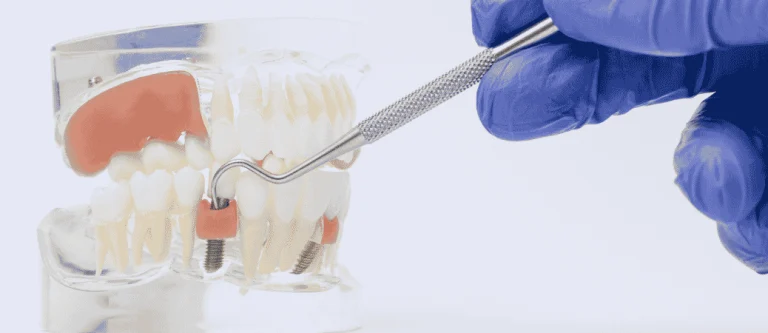
Dental implants are titanium posts that are surgically placed into your jawbone to replace missing tooth roots. They act as a stable foundation for crowns, bridges, or dentures.
The implant fuses with your jawbone through a process called osseointegration. This creates a strong bond that allows the implant to function like a natural tooth root.
Once healed, a connector piece called an abutment is attached to the implant, and then a custom-made crown is placed on top.
Dental implants offer several benefits compared to other tooth replacement options. They preserve your jawbone by stimulating it like natural tooth roots do.
They also don’t require grinding down adjacent teeth like bridges do, and they’re more stable and comfortable than removable dentures.
Common Steps in Dental Implant Surgery
The dental implant process typically involves multiple stages that span several months.
Your first appointment includes a comprehensive examination with X-rays or CT scans to assess your bone structure and plan the implant placement.
During the surgical appointment, your dentist makes an incision in your gum tissue and drills a precise hole into the jawbone. The titanium implant is then placed into this space.
This procedure requires local anesthesia or sedation, which raises important considerations during pregnancy.
After implant placement, you’ll need a healing period of three to six months for osseointegration to occur. During this time, the bone grows around the implant to secure it firmly.
Once healed, your dentist attaches the abutment and takes impressions for your custom restoration. The final crown is placed at a separate appointment, completing the process.
Removable Partial Dentures as Interim Solutions
If you need to postpone dental implant surgery until after pregnancy, removable partial dentures can help restore your smile and maintain function in the meantime.
These appliances fill the gap left by missing teeth without requiring surgery.
Partial dentures consist of replacement teeth attached to a gum-colored base. Metal clasps or precision attachments help secure the denture to your remaining natural teeth.
You can remove them for cleaning and while sleeping.
While not as stable or permanent as implants, partial dentures offer several advantages during pregnancy. They require no surgery, anesthesia, or X-rays.
They also cost less than implants and can be made relatively quickly. Dental flippers are another temporary option that’s lighter and less bulky than traditional partials, making them a comfortable choice while you wait to complete your implant treatment after delivery.

Why Timing Matters: Implant Procedures Before, During, and After Pregnancy
Your dentist might recommend completing implant treatment before pregnancy or waiting until after delivery.
Surgery involves anesthesia, medications, and imaging that require extra consideration when you’re pregnant or planning to become pregnant.
Risks Associated With Implant Surgery in Pregnancy
Dental implant surgery during pregnancy carries risks that aren’t present at other times. The procedure involves cutting into your gum tissue and drilling into your jawbone to place the titanium post.
Your body goes through major changes during pregnancy that can affect healing. Hormonal shifts increase blood flow to your gums and can make them more sensitive and prone to swelling.
These changes may impact how well your body responds to surgery.
Pregnancy also affects your immune system. Your body naturally suppresses certain immune responses to protect the baby. This can make you more vulnerable to infection after any surgical procedure.
The stress of surgery itself is another concern. While your body can handle normal daily activities, elective surgery adds unnecessary physical stress during a time when you should minimize risk.
Impact of Anesthesia, Medications, and X-Rays
Getting dental implants requires local anesthesia, and while lidocaine is generally considered safe during pregnancy for essential treatments, dentists prefer to avoid any unnecessary medication exposure.
After surgery, you might need antibiotics to prevent infection and pain medications for discomfort. Some antibiotics aren’t safe during pregnancy. Pain medication options are also limited when you’re pregnant.
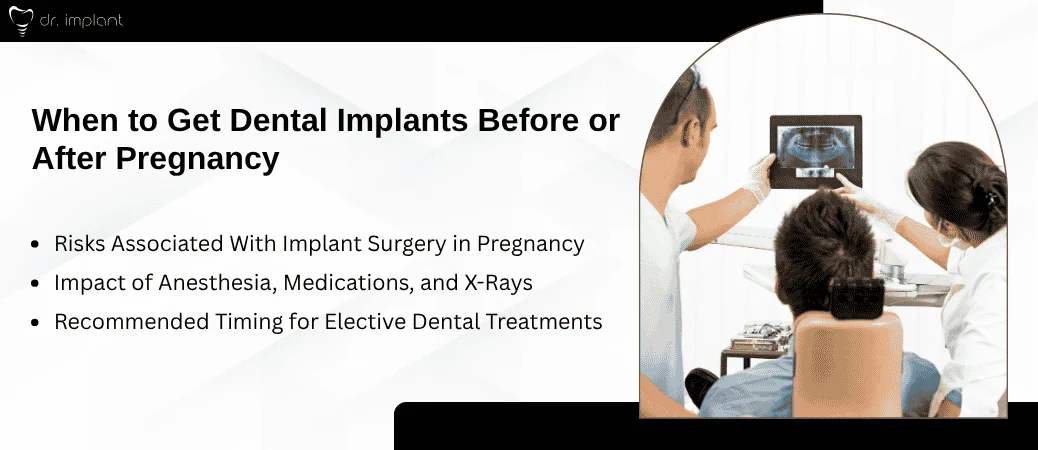
The imaging requirements pose additional concerns. Planning dental implants during pregnancy requires detailed X-rays or CT scans to map your jawbone.
Even though modern dental X-rays use low radiation levels and protective aprons reduce exposure, most guidelines recommend keeping radiation to an absolute minimum during pregnancy.
The first trimester is especially critical since that’s when the baby’s organs are forming. Most dentists won’t perform elective procedures that involve X-rays during this time.
Recommended Timing for Elective Dental Treatments
Completing your implant treatment before conception is the ideal approach if you’re planning to become pregnant.
This gives your mouth plenty of time to heal without concerns about medications or hormonal changes.
If you’re already pregnant, waiting until after delivery is the safest choice for non-urgent cases. Your dentist can help you maintain your oral health during pregnancy with regular checkups and cleanings.
After delivery, timing depends on whether you’re breastfeeding. Some medications can pass through breast milk. Many dentists suggest waiting until you’ve finished breastfeeding so your hormone levels can stabilize.
This typically provides the best conditions for successful healing and implant integration.
You can still have a consultation while pregnant to discuss your options and create a treatment plan. Your dentist will work with you to schedule the procedure when it’s safest for both you and your baby.
Oral Health Changes and Challenges During Pregnancy
Pregnancy brings significant changes to your mouth through hormonal shifts that affect your gums and bones.
These changes can lead to conditions like pregnancy gingivitis, which requires careful attention and proper oral care throughout all stages of pregnancy.
Hormonal Effects on Gums and Bone
Your body experiences major hormonal changes during pregnancy that directly impact your oral health.
Pregnancy hormones increase blood flow to your gums and change how your body responds to bacteria in your mouth.
These hormonal changes boost bacteria levels and inflammation in your mouth. Your gums become more sensitive to plaque, even if you haven’t changed your brushing or flossing habits.
The increased progesterone and estrogen in your system make your gum tissue react more strongly to irritants.
Your immune system also changes during pregnancy. This makes you more vulnerable to infections that can affect your teeth and gums.
The bone that supports your teeth may respond differently to bacteria during this time, which is why regular dental care becomes even more important.
Pregnancy Gingivitis and Its Importance
Pregnancy gingivitis is a common condition that makes your gums red, swollen, and prone to bleeding. Gingivitis affects up to three out of four pregnant women.
You’ll typically notice pregnancy gingivitis between months two and eight of your pregnancy. Your gums may bleed when you brush or floss, and they might feel tender or look puffy.
This happens because the hormonal changes in your body make your gums overreact to plaque buildup.
Left untreated, pregnancy gingivitis can develop into more serious gum disease. Research shows links between gum disease and various pregnancy complications.
Taking care of this condition protects both your health and your baby’s well-being.
Maintaining Oral Health During Pregnancy
You can keep your mouth healthy during pregnancy with consistent daily care and professional dental visits.
Dental treatment is safe at any point during pregnancy, including cleanings, x-rays with proper shielding, and necessary procedures.
Daily oral care steps you should follow:
- Brush twice daily with fluoride toothpaste
- Floss once per day to remove plaque between teeth
- Rinse with warm salt water if your gums are sore
- Eat a balanced diet with plenty of calcium and vitamins
Schedule a dental checkup early in your pregnancy or before you conceive if possible. Tell your dentist you’re pregnant so they can adjust your treatment plan as needed.
If you experience morning sickness, rinse your mouth with water or a fluoride mouthwash afterward rather than brushing immediately, as stomach acid temporarily softens your tooth enamel.
Most oral health problems you experience during pregnancy will resolve after your baby is born. However, the habits you build now set the foundation for your long-term dental health.
Clinical Assessment and Planning for Dental Implants
A complete dental evaluation helps determine the right time for implant surgery and ensures the best possible outcome.
Your dentist will examine your oral health, bone structure, and medical history to create a safe treatment plan that works with your pregnancy timeline.

Implant Consultation and Diagnostic Workup
Your implant consultation starts with a detailed review of your dental and medical history. Your dentist will ask about your pregnancy plans, current medications, and any health conditions that might affect healing.
Diagnostic imaging plays a key role in planning your implant treatment. X-rays and CT scans show your bone density, jaw structure, and the location of nerves and sinuses.
However, these imaging procedures are typically postponed during pregnancy to avoid radiation exposure.
Your dentist will also examine your gums, teeth, and bite pattern. They check for signs of gum disease, tooth decay, or grinding habits that could impact implant success.
This physical exam helps identify any problems that need treatment before implant surgery.
Blood tests may be recommended to check your overall health status. These tests can reveal conditions like diabetes or vitamin deficiencies that affect healing.
Treatment Planning for Future Implant Success
Your dentist creates a customized treatment timeline based on your pregnancy and dental health needs. This plan outlines when to perform each step of the implant process to minimize risks and maximize success rates.
The treatment plan includes the number of implants needed, their exact placement locations, and the type of restoration you’ll receive.
Your dentist will explain whether you need any preparatory procedures like bone grafting or tooth extractions.
Key elements of your treatment plan include:
- Surgical approach and technique
- Type of anesthesia required
- Expected healing timeline
- Temporary tooth replacement options
- Total treatment duration
- Follow-up appointment schedule
Most dental professionals recommend completing implant surgery either before pregnancy or after you’ve finished breastfeeding.
This timing avoids exposure to anesthesia and medications during critical developmental periods.
Addressing Periodontal Health Before Surgery
Healthy gums are essential for successful dental implant treatment. Your dentist will check for gum disease, which can lead to implant failure if left untreated.
Pregnancy hormones can cause gum inflammation and increase bleeding. These changes make it harder to assess your true periodontal health during pregnancy.
That’s why many dentists prefer to evaluate and treat gum problems before you become pregnant.
Treatment for gum disease may include deep cleaning procedures called scaling and root planing. Your dentist removes plaque and tartar from below the gum line to eliminate infection and inflammation.
You’ll receive instructions on proper brushing and flossing techniques to maintain healthy gums. Your dentist may recommend special tools like interdental brushes or water flossers to clean hard-to-reach areas.
Regular cleanings every three to six months help keep your gums healthy before implant surgery. These appointments allow your dentist to monitor your progress and address any new problems quickly.
Postponing and Alternatives: Safe Smiles Through Pregnancy
Most dentists recommend waiting until after you give birth to begin implant surgery, but temporary solutions can restore your smile and function during pregnancy.
Planning ahead helps you maintain oral health while protecting your developing baby.
When to Defer Implant Therapy
Dental implant surgery should be postponed until after pregnancy whenever possible. This is an elective procedure that involves anesthesia, medications, and imaging that may pose unnecessary risks to your baby.
Your dentist will likely recommend waiting because pregnancy hormones can affect how your jawbone heals and integrates with the implant.
These hormonal changes make it harder to predict whether the implant will be successful long-term.
You can still start planning now though. Schedule consultations and get preparatory care so you won’t delay treatment after delivery.
Your dentist can take impressions and create a treatment plan that’s ready to go once you’ve given birth.
Temporary Restoration Options
If you’re missing teeth during pregnancy, removable partial dentures offer a safe way to fill the gap.
These temporary prosthetics restore your ability to chew and speak while maintaining your appearance until you can get permanent implants.
Common temporary options include:
- Removable partial dentures that clip onto existing teeth
- Dental flippers (lightweight acrylic appliances)
- Temporary bridges that don’t require surgery
Your dentist can fit you for these appliances during pregnancy without using problematic procedures or medications.
They help prevent your other teeth from shifting into the empty space, which would complicate your future implant placement.
Transitioning to Permanent Solutions After Delivery

Most clinicians recommend waiting until after pregnancy to begin implant treatment. You should allow a few months after delivery for your hormones to stabilize before scheduling surgery.
If you’re breastfeeding, discuss timing with both your dentist and doctor. Some medications used during implant surgery may affect nursing, though many procedures can be safely performed.
Once you’re ready, your dentist will use the planning work completed during pregnancy to move forward quickly. The temporary restoration you wore will be replaced with your permanent implant-supported teeth.
Frequently Asked Questions
Dental implant timing during pregnancy involves careful consideration of safety factors, procedural requirements, and optimal healing conditions.
Most dental professionals recommend postponing elective implant surgery until after delivery and sometimes after breastfeeding ends.
Is it safe to have a dental implant placed while I’m pregnant?
Dental implant placement during pregnancy is generally not recommended by most dental professionals. The procedure involves surgery, local anesthesia, X-rays, and sometimes antibiotics.
Each of these elements requires extra caution when you’re expecting.
The main concerns center around minimizing any unnecessary exposure during pregnancy. While modern dental X-rays use very low radiation levels, avoiding them when possible is best for your developing baby.
Implant surgery is considered elective, meaning it can be safely postponed without medical risk.
Your body also goes through significant hormonal changes during pregnancy that can affect healing. These changes may influence how well the implant bonds with your jawbone, which is critical for long-term success.
Should I wait until after delivery to start the dental implant process?
Waiting until after delivery is the standard recommendation from dental professionals. This allows you to complete the treatment without the concerns that come with pregnancy.
You can safely have all necessary X-rays and imaging done to properly plan your implant placement.
Your body will have more stable hormone levels after pregnancy, which supports better healing.
The bone integration process works best when your body isn’t dealing with the major changes that happen during pregnancy.
You can still schedule a consultation while pregnant to discuss your treatment options and plan ahead. This lets you understand the process and be ready to start treatment when the timing is right for you.
If I already have dental implants, can pregnancy affect how well they heal or stay stable?
If you already have dental implants before becoming pregnant, they typically remain stable throughout your pregnancy. Existing implants are not usually affected by pregnancy itself.
However, the hormonal changes you experience can affect the gum tissue around your implants.
Pregnancy hormones can make your gums more sensitive and prone to inflammation. This condition, similar to pregnancy gingivitis, can affect the tissue around both natural teeth and implants.
The implants themselves stay secure in your jawbone.
Maintaining excellent oral hygiene becomes even more important during pregnancy. Brush carefully around your implants twice daily and use gentle interdental cleaners to keep the surrounding tissue healthy.
What dental procedures (like X-rays, anesthesia, or antibiotics) are usually avoided or adjusted during pregnancy when planning implants?
Dental X-rays are typically minimized during pregnancy, especially during the first trimester when your baby’s organs are developing. Implant planning usually requires detailed imaging including periapical X-rays and sometimes cone beam CT scans.
While protective aprons shield your body, dental professionals prefer to avoid any unnecessary radiation exposure.
Local anesthesia like lidocaine is considered safe for essential dental treatments during pregnancy.
However, for elective procedures like implant placement, most dentists recommend avoiding any unnecessary medications. This precaution applies particularly to the first and third trimesters.
Antibiotics prescribed after implant surgery require careful selection during pregnancy. Some antibiotics are not recommended when you’re expecting.
Since implant surgery can often be postponed, avoiding these medications altogether is the preferred approach.
When is the best trimester to handle urgent dental work if an implant-related issue comes up during pregnancy?
The second trimester is generally considered the safest time for necessary dental work during pregnancy. This period, roughly weeks 14 through 20, offers a balance between your comfort and procedural safety.
Your baby’s major organs have formed, and you’re not yet dealing with the discomfort of late pregnancy.
If you have a dental emergency related to an existing implant, like an infection or severe pain, treatment should not be delayed regardless of trimester.
Untreated dental infections can affect your overall health and need prompt attention. Your dentist can work with your obstetrician to determine the safest approach.
Routine maintenance and check-ups for existing implants are safe throughout pregnancy. These appointments help catch any potential problems early before they become emergencies.
How soon after giving birth (and while breastfeeding) can I safely resume or begin implant treatment?
The timing for implant treatment while breastfeeding requires individual discussion with your dental team. Many dentists suggest waiting until you’ve finished breastfeeding, though this is not a strict rule.
The concerns differ from pregnancy since your body has recovered from delivery.
Medications including certain antibiotics and pain relievers can pass into breast milk. While many are considered safe during breastfeeding, your dentist will need to carefully select appropriate medications.
Any sedation used would require planning around your feeding schedule.
Breastfeeding can influence your estrogen levels, which may affect bone density. Since successful implant integration depends on good bone quality, some dental professionals prefer to wait until your hormone levels have fully stabilized.
This typically occurs a few months after you stop breastfeeding, though individual circumstances vary.