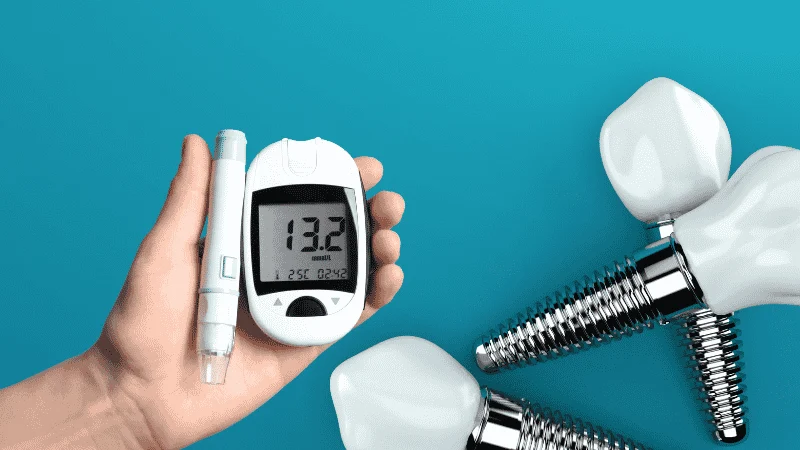
If you have diabetes and are missing teeth, you might wonder whether dental implants are a safe option for you.
Yes, dental implants can be safe and effective for diabetic patients, but only when diabetes is well-controlled with blood sugar levels properly managed.
The key difference between success and failure often comes down to how well you control your blood sugar before, during, and after the procedure.
Dental implants for diabetic patients create some extra challenges when it comes to dental implants. Your body may heal more slowly than someone without diabetes, and you face a higher risk of infection.
However, these challenges don’t mean implants are off the table. With proper planning, coordination between your dentist and doctor, and careful blood sugar control, many diabetic patients successfully receive dental implants.
Understanding what makes you a good candidate and what steps you need to take can make all the difference.
This guide will walk you through everything from the risks you should know about to how you can prepare for the best possible outcome with your dental implants.
Key Takeaways
- Diabetic patients can safely get dental implants when their blood sugar is well-controlled with HbA1c levels below 7-8%
- The main risks include slower healing, higher infection rates, and potential implant failure if diabetes is poorly managed
- Proper oral hygiene and close medical supervision before and after surgery significantly improve success rates for diabetic patients
How Diabetes Affects Implant Candidacy
Your diabetes status plays a major role in whether you can safely receive dental implants. The main factor is how well you manage your blood sugar levels, not simply whether you have diabetes.
Impact of Blood Sugar Control on Eligibility
Blood sugar control directly determines if you’re a good candidate for dental implants. When your glucose levels stay within target ranges, your body can heal properly after surgery. High blood sugar weakens your immune system and slows down healing.
Your dentist will evaluate your glycemic control before approving implant treatment. They look at your recent blood sugar readings and overall diabetes management. Poor control increases your risk of infection and implant failure.
Key eligibility factors include:
- Consistent blood sugar monitoring
- Stable glucose readings over several months
- Proper diabetes management with diet, exercise, or medications
- No recent diabetic complications
Diabetic patients with controlled blood sugar have similar success rates to non-diabetic patients. Your commitment to managing diabetes mellitus directly impacts your eligibility.
Well-Controlled vs. Poorly Controlled Diabetes
Well-controlled diabetes means your blood sugar stays within recommended ranges consistently. This allows normal healing and reduces complications. Poorly controlled diabetes creates significant risks during implant surgery.
Patients with uncontrolled diabetes experience higher rates of both post-procedure infection and implant failure. The difference is substantial and affects long-term outcomes.
Well-controlled diabetes characteristics:
- Blood sugar readings in target range
- Regular medical monitoring
- Effective use of diabetes medications
- Few diabetic complications
Poorly controlled diabetes risks:
- Delayed wound healing
- Increased infection rates
- Implant failure
- Bone loss around implants
Your diabetes control status determines whether you should proceed with implants now or wait until better management is achieved.
Role of HbA1c and Medical Clearance
Your HbA1c test measures average blood sugar over the past 2-3 months. This single number tells dentists how well you’ve managed your diabetes recently. Most dental professionals require an HbA1c below 7-8% before proceeding with implants.
Medical clearance from your diabetes doctor is essential. Your dentist needs confirmation that your diabetes is stable enough for surgery. This coordination between your doctors protects your health.
Typical HbA1c requirements:
| HbA1c Level | Implant Candidacy Status |
| Below 7% | Generally approved |
| 7-8% | May proceed with caution |
| Above 8% | Usually postponed |
You may need to improve your HbA1c before getting medical clearance for dental implants. Your healthcare team will guide you through the requirements.
Type 1 and Type 2 Diabetes Differences
Both Type 1 and Type 2 diabetes affect implant candidacy, but in slightly different ways. Type 1 diabetes typically requires more intensive monitoring since your body produces no insulin.
Type 2 diabetes may be easier to control through lifestyle changes and medications.
Your diabetes type matters less than your actual blood sugar control. Both types can achieve successful implant outcomes with proper management. Type 1 patients often have longer disease duration, which can increase complications.
Type 2 diabetes patients may have better outcomes if diagnosed recently and well-managed. However, longer diabetes duration increases implant failure risk regardless of type.
Your individual control matters more than the diabetes classification.
Risks and Challenges for Diabetic Patients
Diabetes creates specific challenges that can affect how well dental implants integrate with your bone and heal after surgery.
Poorly controlled diabetes increases infection risk and can slow down the healing process your body needs for successful implants.
Risk of Implant Failure and Marginal Bone Loss
Your blood sugar levels play a major role in whether your dental implants succeed or fail. Studies show that patients with uncontrolled diabetes experience higher rates of implant failure compared to those who manage their condition well.
High blood sugar can interfere with osseointegration, which is when your jawbone grows around and fuses with the implant. This process usually takes several months and requires your body to build new bone tissue around the titanium post.
Marginal bone loss is another concern you might face. This happens when the bone around the top of your implant starts to break down.
Diabetic patients often experience more bone loss around their implants, especially in the first year after surgery.
The good news is that when your diabetes is well controlled, your risk drops significantly. Your HbA1c levels give your dentist important information about your average blood sugar over the past few months.
Bone Density and Quality Concerns
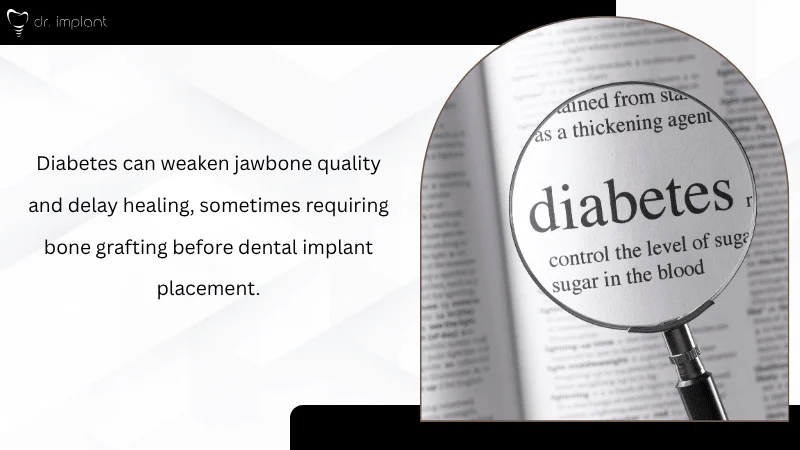
Diabetes affects both the density and quality of your jawbone, which can make implant placement more challenging. Your bones might not be as strong or healthy as they need to be for supporting implants.
When you have diabetes, your bone healing ability slows down. This means the new bone that needs to form around your implant might take longer to develop.
The bone tissue itself may also be weaker or less organized than normal bone.
Your dentist will likely take special scans to check your bone density before recommending implants. They need to make sure you have enough healthy bone to hold the implant securely.
If your bone quality is poor, you might need extra treatments first, like bone grafting, to build up the area.
Infection and Wound Healing Impacts
Your body’s ability to fight infection and heal wounds is reduced when you have diabetes. This becomes especially important after implant surgery when your gums need to close properly around the new implant.
High blood sugar creates an environment where bacteria can grow more easily. Your white blood cells, which fight infection, don’t work as well when glucose levels are elevated.
This combination makes you more vulnerable to infections at the surgical site.
Wound healing takes longer in diabetic patients because blood flow to the gums may be reduced. Your body also produces less collagen, which is essential for tissue repair.
These factors mean you need to be extra careful about infection control after your procedure.
Inflammation and Peri-Implantitis
Diabetes increases inflammatory markers in your body, which can threaten your peri-implant health over time.
This chronic inflammation makes you more susceptible to peri-implantitis, a serious condition similar to gum disease that affects the tissue around implants.
Peri-implantitis starts when bacteria build up around your implant and cause infection in the surrounding gum and bone tissue. The inflammation can destroy the bone that holds your implant in place.
If left untreated, it can lead to complete implant failure.
You’ll need to maintain excellent oral hygiene using tools like implant-specific floss to clean around your implants properly.
Regular dental checkups become even more important because your dentist needs to monitor for early signs of inflammation or bone loss around the implant.
Treatment Planning and Surgical Considerations
Successful implant surgery for diabetic patients requires careful planning before the procedure and specific changes to how dentists perform the surgery.
Blood sugar control and infection prevention are the main focus points that guide every decision.
Pre-Surgical Assessment and Preparation
Your dentist needs to check your HbA1c level before scheduling implant surgery. This test shows your average blood sugar over the past three months.
Most dental implant specialists recommend an HbA1c level below 7% for safe implant placement. Some dentists may work with levels up to 8%, but higher levels increase your risk of complications.
You should schedule dental checkups to evaluate your overall oral health. Your implant dentist will take x-rays and check your bone density. They will also review your medications and talk to your diabetes doctor if needed.
Key pre-surgical requirements:
- HbA1c test within 3 months of surgery
- Complete oral health evaluation
- Medication review
- Coordination with your diabetes care team
- Blood sugar monitoring plan for surgery day
Managing Gum Disease and Bone Grafting
Gum disease is more common in diabetic patients and can harm implant success. Your dentist must treat any existing gum infections before placing implants.
Poorly controlled diabetes can weaken bone and slow healing, which affects bone grafting procedures.
If you need bone grafting to support your implant, your dentist may wait longer between the grafting and implant placement stages.
The healing time after bone grafting can take 4 to 6 months instead of the typical 3 to 4 months. Your body needs this extra time to grow new bone tissue properly.
During this period, you need to maintain strict blood sugar control to support healing.
Modified Surgical Techniques and Materials
Dentists may adjust their surgical approach when working with diabetic patients. Some use less invasive techniques to reduce healing time and infection risk.
Your surgeon might choose specific implant materials or surface designs that bond better with bone. Shorter surgery times also help reduce stress on your body.
Some dentists split complex procedures into multiple shorter appointments instead of one long session.
The surgical procedure requires extra attention to sterile conditions and gentle tissue handling. Your dentist will schedule more frequent follow-up visits to monitor healing closely.
Antibiotic Use and Infection Control
Antibiotics play a bigger role in implant surgery for diabetic patients. Most dentists prescribe antibiotics before and after your procedure to prevent infections.
You typically start taking antibiotics one day before surgery and continue for 5 to 7 days after. This is longer than the standard protocol for non-diabetic patients.
The specific antibiotic and dosage depend on your health history and any allergies.
Your dentist will give you detailed instructions for keeping the surgical site clean. You need to rinse with antibacterial mouthwash and follow strict oral hygiene rules.
Contact your dentist immediately if you notice any signs of infection like increased pain, swelling, or discharge.
Best Practices for Post-Surgery Care and Long-Term Success
Taking care of your dental implants after surgery requires specific steps to protect your investment and health. Your blood sugar control and daily oral hygiene habits directly affect how well your implants heal and how long they last.
Post-Surgery Oral Hygiene Guidelines
Your oral hygiene routine needs extra attention during the healing phase after dental implant surgery. For the first 24 hours, avoid brushing near the surgical site but gently rinse your mouth with warm salt water after meals.
After the first day, you can start brushing around the implant area using a soft-bristled toothbrush. Be gentle and avoid putting pressure directly on the healing tissue.
Use an antimicrobial mouth rinse twice daily to reduce bacteria and prevent infection.
Once your implant has healed, switch to implant-specific floss or interdental brushes designed for cleaning around implants. Regular dental floss can damage the seal between your gum and implant.
Clean around each implant at least once per day, moving the floss in a gentle up-and-down motion.
Your diabetes and oral health are connected, so maintaining excellent oral hygiene helps control inflammation that could affect both your implants and blood sugar levels.
Regular Dental Checkups and Follow-Ups
You need more frequent dental visits than non-diabetic patients to monitor your peri-implant health. Schedule checkups every three to four months during the first year after implant placement.
Your dentist will check for signs of infection, measure the depth of pockets around your implants, and assess bone levels. These visits also include professional cleaning to remove plaque and tartar that you cannot eliminate at home.
Long-term success relies heavily on professional maintenance combined with your daily care routine.
After the first year, you may be able to reduce visits to every six months if your implants remain healthy and your diabetes is well-controlled. Never skip these appointments, as early detection of problems prevents implant failure.
Glycemic Control After Implant Placement
Your blood sugar levels directly impact how well your body heals after dental implant therapy. Keep your hemoglobin A1C below 7% to give your implants the best chance of success.
Monitor your glucose levels more frequently in the weeks following surgery, as stress from the procedure can affect your readings. Work with your doctor to adjust your diabetes medications if needed during the healing period.
High blood sugar slows wound healing and increases your risk of infection around the implant site. Even after your implants have healed, maintaining good glycemic control protects against peri-implantitis, an infection that can lead to implant failure.
Eat a balanced diet rich in protein, vitamins, and minerals to support tissue repair. Avoid sugary foods and drinks that spike your blood sugar and feed harmful bacteria in your mouth.
Monitoring for Long-Term Implant Success
Watch for warning signs that could indicate problems with your implants. Contact your dentist immediately if you notice bleeding, swelling, looseness, or pain around the implant area.
Studies show that implant success rates exceed 95% over 10 years when patients maintain proper care. However, diabetic patients with uncontrolled blood sugar face higher risks of complications.
Check your implants daily while brushing and flossing. Look for redness, pus, or gum recession around the implant crown. These signs may indicate infection that needs prompt treatment.
Keep a record of your dental visits and any concerns you notice between appointments. Track changes in your oral health alongside your diabetes management records. This information helps your dental team identify patterns and adjust your care plan to maximize implant survival rates.
Benefits of Dental Implants for Diabetic Patients
Dental implants for diabetic patients offer several advantages that go beyond just filling gaps in your smile.
When your diabetes is well-managed, implants can improve your ability to eat nutritious foods, protect your remaining bone structure, and give you back the confidence that comes with a complete set of teeth.
Improved Diet and Quality of Life

Missing teeth make it hard to eat many healthy foods that help you manage your blood sugar levels. You might avoid crunchy vegetables, lean proteins, and fresh fruits because they’re too difficult to chew with gaps in your mouth or loose dentures.
Dental implants give you stable, strong teeth that work like natural ones. You can bite into apples, chew raw carrots, and eat grilled chicken without worry.
This means you can follow the balanced diet your doctor recommends for diabetes management.
Unlike removable dentures that can slip while you eat or speak, implants stay firmly in place. You won’t need to use messy adhesives or deal with sore spots on your gums.
The improved chewing ability helps with digestion too, since you can break down food properly before swallowing.
Preserving Jawbone and Adjacent Teeth
When you lose a tooth, the jawbone underneath starts to shrink because it’s no longer being stimulated by chewing forces. This process happens faster in people with diabetes due to reduced bone healing capacity.
Dental implants and diabetes work together through osseointegration, where the titanium implant fuses directly with your jawbone.
This fusion creates the same stimulation that natural tooth roots provide. Your bone stays active and maintains its density instead of deteriorating.
Traditional bridges require grinding down healthy teeth on either side of the gap. Implants don’t touch your other teeth at all. Each implant stands on its own, which means your natural teeth stay intact and healthy.
Restoring Confidence and Functionality
Missing teeth affect how you look and feel about yourself. You might hide your smile in photos, cover your mouth when you laugh, or avoid social situations altogether.
Implants look and feel like your own teeth. Nobody will know you have them unless you tell them. You can smile, laugh, and talk without feeling self-conscious about gaps or clicking dentures.
Your speech also improves with implants. Missing teeth or poorly fitting dentures can make you slur words or whistle when you talk. Implants stay put and let you speak clearly and confidently in any situation.
Frequently Asked Questions
Most diabetic patients want to know specific numbers for blood sugar control and whether their type of diabetes affects their eligibility. Bone loss, treatment options, and alternatives also come up often during consultations.
What HbA1c level do dentists usually want to see before placing dental implants?
Dentists typically look for an HbA1c level below 7 percent before they recommend dental implants. This number shows that your diabetes is well-controlled over the past few months.
Some dental practices may accept slightly higher levels depending on your overall health. Your dentist will review your recent HbA1c test results and may ask you to work with your doctor to improve control before surgery.
Can people with type 2 diabetes get dental implants successfully, and what improves the odds?
Yes, people with type 2 diabetes can get dental implants and have good results. The key is keeping your blood sugar stable before and after the procedure.
Your chances improve when you maintain good blood sugar control, practice excellent oral hygiene, and don’t smoke. Working closely with both your dentist and your diabetes doctor also helps ensure success.
Controlled blood sugar significantly reduces delays in healing after implant placement. Regular monitoring of your glucose levels during recovery helps catch any issues early.
Why are dental implants sometimes discouraged for people with uncontrolled diabetes?
Uncontrolled diabetes increases the risk of complications like delayed healing and infection. High blood sugar weakens your immune system and makes it harder for your body to fight off bacteria.
When your diabetes isn’t controlled, the implant may not fuse properly with your jawbone. This can lead to implant failure and the need to remove it.
Sharp blood sugar fluctuations during surgery can also affect bleeding. After the procedure, unstable glucose levels slow down healing and raise the chance of infection around the implant site.
Are implants still an option for diabetics who have bone loss in the jaw?
Implants can still work for diabetics with jaw bone loss, but you may need additional procedures first. Bone grafting adds material to rebuild the jaw and create a solid foundation for the implant.
Bone regeneration may be slower than average in diabetic patients, so the process takes more time. Success depends on strict blood sugar management and regular check-ups throughout treatment.
Your dentist will use X-rays to measure your current bone density. Based on what they find, they’ll create a treatment plan that might include grafting before implant placement.
Is the All-on-4 implant approach a good choice for diabetic patients?
The All-on-4 method is available for diabetic patients who have controlled blood sugar levels. This approach uses four implants to support a full arch of replacement teeth.
You’ll need to meet the same requirements as for single implants, including an HbA1c below 7 percent. Your dentist will also check that you have no active gum infections and acceptable overall health.
The All-on-4 technique can work well if you’ve lost multiple teeth due to diabetes-related complications. Your dental team will monitor your healing closely since this procedure involves placing several implants at once.
What tooth replacement options might be best if dental implants aren’t recommended for someone with diabetes?
Removable dentures are a common alternative when implants aren’t suitable for your situation. These prosthetic teeth can replace one tooth, several teeth, or a full arch.
Dental bridges offer another option by anchoring artificial teeth to your existing natural teeth. This works when you have healthy teeth on both sides of the gap.
Partial dentures fill in spaces left by missing teeth and can be removed for cleaning. While these options don’t prevent bone loss like implants do, they restore your ability to eat and speak normally.