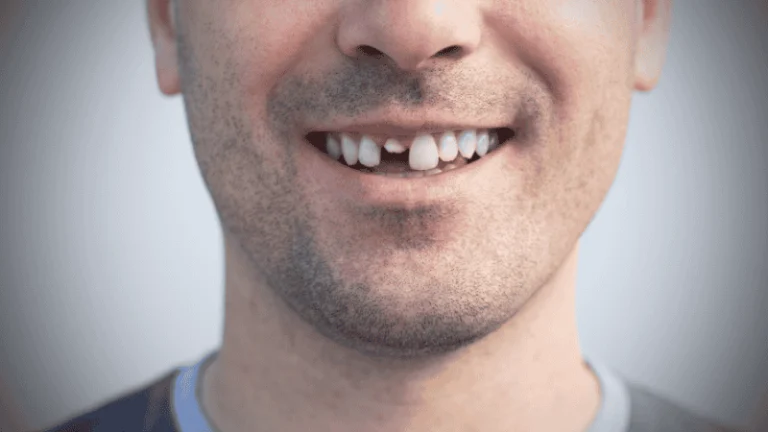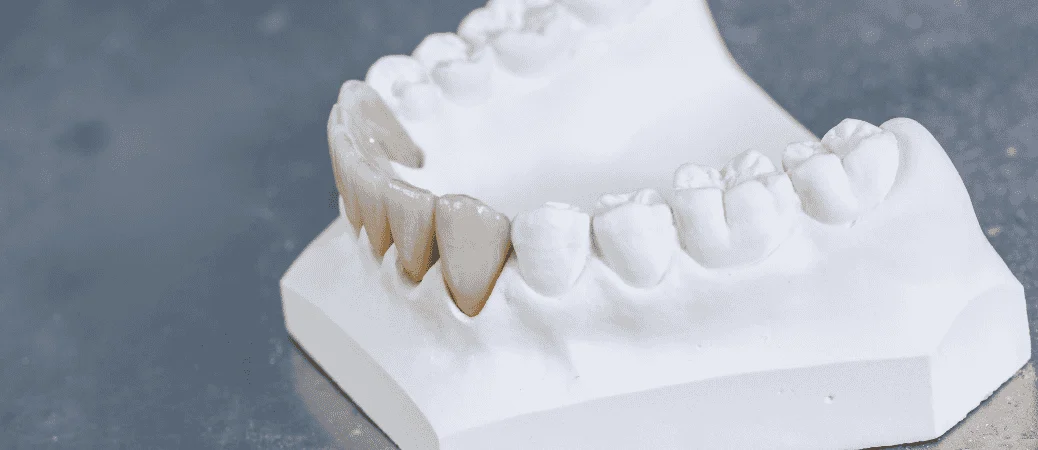
Zirconia does not decay. That single fact surprises a lot of patients when they first hear it at a follow-up visit, and it can lead to a false sense of security.
Zirconium oxide is a ceramic material, and ceramic does not respond to acid or bacteria the way tooth enamel does.
That does not mean a zirconia implant restoration takes care of itself.
Zirconia implant maintenance still requires daily attention to the gum tissue around it, the bone underneath it, and the crown-to-abutment connection, along with regular professional checks.
The material may be resistant to cavities, but the tissue holding it in place is just as vulnerable to disease as the tissue around a natural tooth, sometimes more so.
If you already have a zirconia implant restoration, or you are getting ready for one, knowing what changes and what stays the same helps you protect your investment for years to come.
Key Takeaways
- Zirconia itself cannot decay, but the gums and bone around it can still develop inflammation and infection without consistent care.
- Daily brushing, interdental cleaning, and the right tools protect the crown surface and the tissue at the gumline.
- Professional check-ups track bone health and catch early gum problems before they threaten the restoration.
What Makes Zirconia Restoration Care Different From Natural Teeth?
Zirconia restoration care differs from natural tooth care because the material cannot decay, but the surrounding gum and bone tissue can still develop disease.
A natural tooth has a periodontal ligament that helps fight infection and gives the tooth slight movement.
An implant fuses directly to the bone through osseointegration, with no ligament cushion in between, which changes how the tissue around it responds to plaque.
Why Zirconia Cannot Decay but Surrounding Tissue Can Become Diseased
Zirconium oxide will not develop a cavity, since it lacks the organic structure that bacteria break down in natural enamel. That is a real advantage of ceramic implants over natural tooth replacement in one specific way.
The peri-implant mucosa, the gum tissue wrapping around the implant base, is less vascularized than the gum around a natural tooth. It has a harder time fighting off bacterial buildup on its own.
Plaque left at the gumline can trigger peri-implant mucositis first, and if it progresses, peri-implantitis, which can lead to bone loss.
The Implant, Abutment, Crown, Gums, and Bone Each Need Protection
A zirconia implant restoration has several parts, and each one plays a different role in long-term success.
- The implant post anchors into the jawbone and needs stable bone support.
- The abutment connects the post to the crown and can trap plaque at the junction if not cleaned carefully.
- The crown is the visible tooth replacement, resistant to decay but not to plaque buildup on its surface.
- The gums protect the tissue seal around the restoration.
- The bone holds everything in place and needs monitoring for early bone loss.
Larger restorations, such as a full-arch zirconia bridge, have more surface area and more connection points than a single crown, so cleaning around each abutment and pontic takes more time and often benefits from a zirconia fixed bridge maintenance routine tailored to that design.
How Zirconium Oxide, Biocompatibility, and Implant Surface Affect Care
Zirconium oxide is prized for its biocompatibility, meaning gum tissue tends to tolerate it well, and some patients choose holistic dental implants made from zirconia specifically to avoid metal allergies linked to titanium implants.
The implant surface texture also affects how easily plaque adheres to it, which is one reason it may show a lower tendency toward plaque accumulation due to smoother surface characteristics, though both implant types require daily cleaning regardless of material.
How Should You Clean a Zirconia Implant Restoration at Home?
Daily home care for a zirconia implant restoration follows the same basic principles as natural tooth care, brushing and flossing, but the technique and tools shift slightly to protect the crown surface and the tissue seal at the gumline.
Skipping steps because the crown feels fine is a common mistake, since early plaque buildup around implants is often painless.
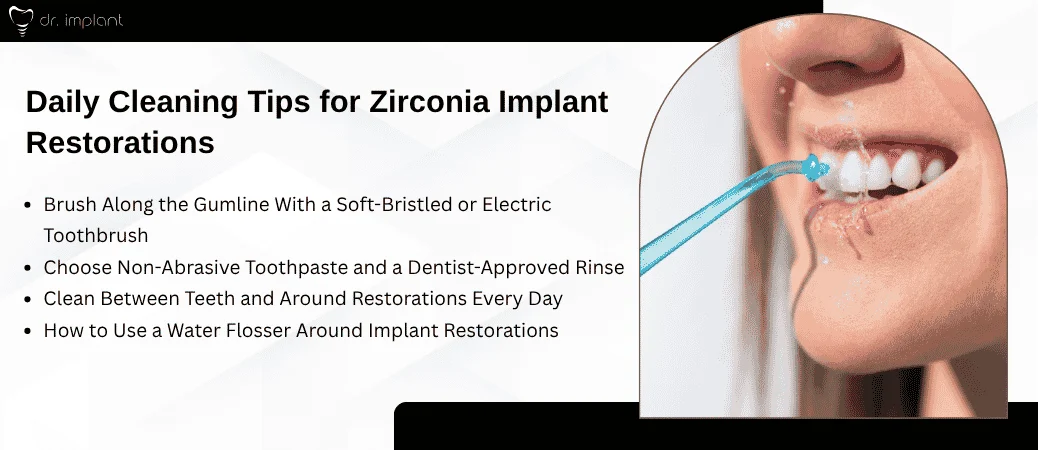
Brush Along the Gumline With a Soft-Bristled or Electric Toothbrush
Brush at the gumline using gentle circular motions rather than aggressive back-and-forth scrubbing.
A soft-bristled toothbrush or an electric toothbrush with a pressure sensor works well, since consistent light pressure protects both the implant crown and the peri-implant tissue.
Hold the brush at roughly a 45-degree angle where the crown meets the gum. That is where food particles and plaque tend to collect first.
Choose Non-Abrasive Toothpaste and a Dentist-Approved Rinse
Non-abrasive toothpaste protects the zirconia crown surface from micro-scratches that can happen with whitening or tartar-control formulas.
Gritty, high-abrasive pastes, including many baking soda-based options, can scratch the implant crown surface over time, creating tiny grooves where bacteria settle in.
An alcohol-free antimicrobial mouthwash is a gentler choice for daily use than an alcohol-based antibacterial mouthwash, which can dry out the peri-implant tissue with regular use.
Ask your dentist which rinse fits your specific gum health needs.
Clean Between Teeth and Around Restorations Every Day
Flossing around a zirconia implant restoration removes plaque that a toothbrush cannot reach between the crown and neighboring teeth.
Dental floss, implant floss, or a floss threader all work, and wrapping the floss in a C-shape around the crown helps clear biofilm at the gumline.
Interdental brushes are especially useful for larger restorations, fitting into spaces between abutments where a bridge or full-arch design creates extra gaps.
Choose a plastic-coated brush over an uncoated metal one to avoid scratching the abutment surface.
How to Use a Water Flosser Around Implant Restorations
Water flossers add another layer of cleaning by flushing out debris that thread floss and brushing miss.
Aim the water flosser tip along the gumline at a low to medium setting, moving slowly across each implant and natural tooth in turn.
Research on water irrigation has shown it can reduce peri-implant plaque scores when used consistently, making it a helpful addition rather than a replacement for daily flossing.
Why Professional Implant Maintenance Is Essential
Professional cleanings catch problems that home care cannot reach or detect on its own, particularly hardened tartar buildup and early bone changes around the implant.
Most implant patients benefit from a professional visit every three to six months, though your dentist may adjust that schedule based on your gum health history.
What Dental Check-Ups Monitor Beyond a Routine Cleaning
A dental check-up for an implant restoration checks more than surface plaque. Your clinician looks at implant stability, checks for gum inflammation, and examines the crown and abutment connection for wear.
These visits also give you a chance to ask about anything that feels different, whether that is mild sensitivity or a spot that seems harder to clean.
How Clinicians Track Bone Levels and Early Bone Loss
Bone levels around an implant are tracked with periodic X-rays that compare the bone height over time.
Small changes in bone level can be an early sign of peri-implantitis, and catching that shift early often means the difference between simple treatment and more involved care, including bone grafting in advanced cases.
When Air-Polishing and Other Implant-Safe Methods May Be Used
Air-polishing is a gentle method some clinicians use to clean around implants without scratching the crown or abutment surface.
Standard steel scalers can damage implant materials, so many practices use plastic or titanium-tipped instruments instead, a detail worth asking about at your next cleaning appointment.
Which Habits Put a Zirconia Restoration at Risk?
Smoking, teeth grinding, and certain dietary habits put mechanical and biological strain on a zirconia implant restoration, even though the crown itself resists decay.
These risks apply to titanium implants as well, since most complications stem from tissue health and bite forces rather than the crown material.

Smoking, Gum Disease, and Inflammation Around Implants
Smoking reduces blood flow to gum tissue, making it harder for the body to fight off the bacteria that cause gum disease and peri-implantitis.
Patients who smoke face a higher risk of implant failure, and quitting, even gradually, improves the odds of long-term restoration success.
If you notice bleeding, swelling, or a change in gum color around your restoration, gum disease can affect dental implants in ways that are treatable when addressed early.
Bruxism and How a Nightguard Helps Limit Mechanical Complications
Bruxism, or teeth grinding, puts repeated pressure on a zirconia crown and its connection to the abutment, which can lead to chipping or loosening over time.
A nightguard worn during sleep spreads out that pressure and protects both the restoration and your natural teeth from mechanical complications, and your clinician can advise on bruxism and dental implants if grinding is a concern.
Hard Foods, Sticky Foods, and Diet Choices That Affect Longevity
Hard foods like ice or hard candy can chip a zirconia crown, and sticky foods can pull at the margins where the crown meets the gum.
A balanced diet lower in sugary foods also reduces the bacterial load that contributes to plaque buildup around the restoration and natural teeth alike.
Titanium vs. Zirconia Implant Maintenance: What Remains the Same
Daily brushing, interdental cleaning, and professional check-ups matter equally for both titanium vs. zirconia dental implants, since peri-implantitis and gum disease can affect either material.
| Factor | Titanium Implants | Zirconia Implants |
| Decay risk | None | None |
| Plaque adhesion | Standard | May be slightly lower on smooth surfaces |
| Metal allergy risk | Present in rare cases | Not applicable |
| Recommended toothpaste | Non-abrasive | Non-abrasive |
| Professional cleaning frequency | Every 3-6 months | Every 3-6 months |
Consistent Care Protects Your Zirconia Restoration for the Long Term

Zirconia resists decay, but the gums, bone, and connections holding your restoration in place depend on the same daily discipline that protects natural teeth.
Brushing along the gumline, cleaning between teeth every day, and choosing non-abrasive products all support the tissue seal that keeps your implant stable.
Professional check-ups fill in the gaps that home care cannot reach, tracking bone levels and catching early gum inflammation before it becomes a bigger problem.
Whether you smoke, grind your teeth, or simply want reassurance that your routine is on track, a conversation with a clinician like Dr. Implant can help you fine-tune your care plan.
Consistent habits, paired with regular monitoring, give your zirconia implant restoration the best chance to serve you well for years.
Frequently Asked Questions
How do you clean a zirconia implant restoration at home?
Brush along the gumline with a soft-bristled or electric toothbrush and non-abrasive toothpaste, then floss daily using implant floss, a floss threader, or interdental brushes.
Adding a water flosser helps clear debris from spots that brushing and flossing miss.
Can I use a water flosser around zirconia dental implants?
Yes, a water flosser is a helpful addition around zirconia dental implants when used at a low to medium setting along the gumline. It works best alongside daily flossing rather than replacing it entirely.
Do zirconia implant crowns need special toothpaste?
Zirconia implant crowns need non-abrasive toothpaste to avoid tiny scratches on the crown surface.
Whitening pastes, tartar-control formulas, and baking soda-based pastes tend to be too gritty for daily use on implant material.
How often should zirconia implant restorations be professionally cleaned?
Most patients benefit from professional cleanings every three to six months, though your dentist may recommend a different schedule based on your gum health history.
Regular dental implant maintenance visits also allow your clinician to check bone levels and catch early signs of inflammation.
What are the warning signs of peri-implantitis around a zirconia implant?
Warning signs include gum swelling, bleeding when brushing or flossing, a bad taste that does not go away, and any looseness in the crown.
These symptoms warrant a call to your dentist promptly, since early treatment for peri-implantitis is far simpler than addressing advanced bone loss.