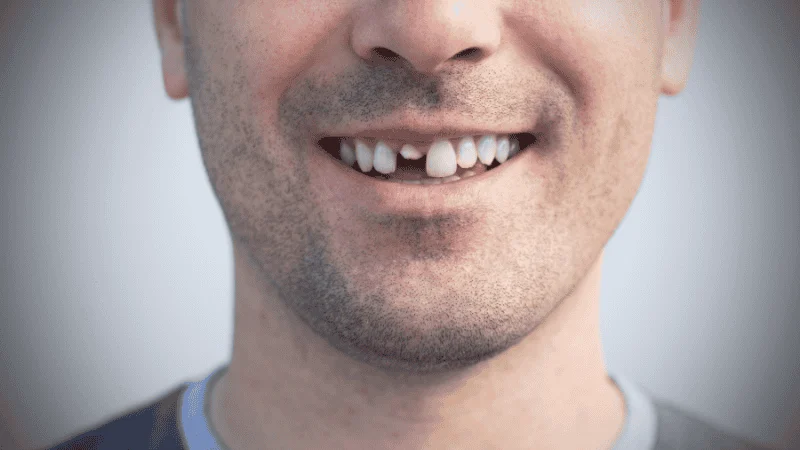
Losing a front tooth can feel stressful. You might worry about how it looks when you smile or talk. The good news is that modern dentistry offers solutions that look and work like your natural teeth.
Yes, you can replace just one front tooth with a zirconia implant, and it’s becoming one of the most popular choices for front tooth replacement.
Zirconia implants look more like a natural tooth root than traditional metal implants because they are white instead of gray. This makes them a great option when you need to replace a tooth that shows when you smile.
The process involves placing a tooth-colored post into your jawbone and attaching a custom crown on top. You don’t need to change or damage the teeth next to the missing one.
This guide will walk you through everything you need to know about replacing your front tooth with a zirconia implant, from the benefits to the costs.
Key Takeaways
- Zirconia implants can successfully replace a single tooth with natural-looking results
- These white ceramic implants offer better appearance than gray titanium for visible front teeth
- The complete process requires careful planning but provides a long-lasting solution that preserves your jawbone
Get expert front tooth implant care across Miami, Pembroke Pines, and Delray Beach, FL.
Can a Zirconia Implant Replace Just One Front Tooth?
Yes, a zirconia implant can effectively replace just one missing front tooth. The procedure involves placing a ceramic post into your jawbone that acts as an artificial root, then attaching a custom crown that matches your natural teeth.
How a Zirconia Implant Replaces a Single Front Tooth
A single-tooth dental implant works by replacing both your missing tooth and its root. The zirconia post gets surgically placed into your jawbone where your natural tooth root used to be.
Your jawbone then fuses with the implant over several months. This process creates a stable foundation for your replacement tooth.
Once healing is complete, your dentist attaches a custom crown to the implant. The crown is designed to match the color, shape, and size of your surrounding teeth.
Unlike traditional titanium implants, zirconia implants are white, which means they won’t create a gray shadow line at your gum line.
Key advantages of zirconia for front teeth:
- Natural tooth color that blends with your gums
- Metal-free option for those with sensitivities
- Strong enough to handle normal biting forces
- Won’t corrode or cause allergic reactions
Situations Suitable for Single-Tooth Zirconia Implants
You might be a good candidate for a dental implant for one tooth if you have adequate jawbone density and healthy gums. Your dentist will evaluate whether your bone can support implant placement.
Common situations that work well for single zirconia implants include tooth loss from injury, failed root canals, or congenital missing teeth. You need enough bone width and height at the implant site.
If you’ve lost bone over time, you may need bone grafting before getting your implant.
Your overall health matters too. Conditions like uncontrolled diabetes or active gum disease need treatment first. Smoking can also affect healing and implant success rates.
Age isn’t usually a barrier as long as your jaw has finished growing. Most adults qualify for this treatment option.
Front Tooth Implant Case Study Highlights
A documented case study shows the step-by-step process of replacing a missing front central incisor. The patient had lost her tooth from trauma several years earlier and completed aligner therapy before implant placement.
The treatment included soft tissue and bone preparation to ensure adequate volume for the implant. A frenectomy was performed to prevent tissue interference during healing.
The dentist used a papilla-sparing incision technique to preserve the gum tissue between teeth.
After implant placement, temporary restorations maintained appearance during the healing period. The final restoration used a custom hybrid abutment with a zirconia crown for optimal aesthetics.
The entire process took over six years from injury to final restoration, though typical cases proceed much faster. The patient regained both natural appearance and full chewing function with her front tooth zirconia implant.
Visit our clinic for natural-looking front tooth zirconia implants.
Benefits and Aesthetic Advantages of Zirconia Implants
Zirconia fixed bridges offer a tooth-colored appearance that blends naturally with your smile, making them ideal for front tooth replacement.
They also support healthy gums and provide long-lasting durability without the metal sensitivity concerns associated with traditional implants.
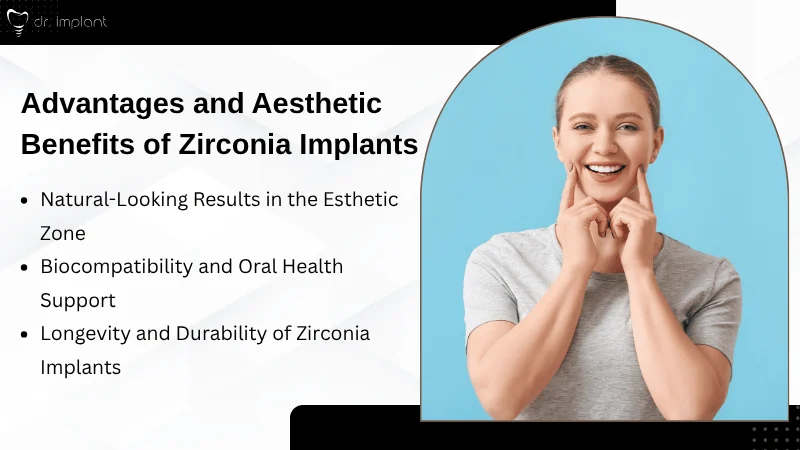
Natural-Looking Results in the Esthetic Zone
Your front tooth sits in what dentists call the esthetic zone, where appearance matters most. Zirconia’s natural white color mimics your real teeth, creating a seamless look that metal implants simply cannot match.
Unlike titanium implants that can show dark gray lines through your gums, ceramic dental implants maintain their tooth-like appearance even if your gum line recedes over time.
This prevents the embarrassing discoloration that sometimes happens with metal implants.
Studies have shown excellent esthetic outcomes with zirconia implants in high-visibility areas. Patients receive average pink and white esthetic scores of 7.5 and 8 out of 10, reflecting strong satisfaction with how natural their replacement tooth looks.
When paired with a ceramic crown, your zirconia implant creates an all-ceramic restoration. This combination allows light to pass through naturally, just like your original tooth did.
Biocompatibility and Oral Health Support
Zirconia’s biocompatibility makes it exceptionally gentle on your oral tissues. Your body accepts this ceramic material readily, reducing inflammation and supporting healthier healing compared to metal alternatives.
The smooth surface of zirconia resists bacterial buildup better than rougher titanium surfaces. This means less plaque accumulation around your implant, which protects your healthy gums from infection and inflammation.
Research shows that zirconia accumulates significantly lower biofilm levels during the critical early healing stages. This reduces your risk of developing peri-implantitis, a serious infection that can threaten implant success.
If you have metal sensitivities or allergies, zirconia offers a metal-free solution. You won’t experience the metallic taste or potential allergic reactions that some people report with titanium implants.
Longevity and Durability of Zirconia Implants
How long do zirconia implants last? With proper care, they can serve you for many years, comparable to traditional titanium implants. Clinical studies demonstrate survival rates up to 100% at 13.5 months, with ongoing research tracking longer-term outcomes.
Zirconia’s high fracture resistance helps it withstand the daily forces of chewing and biting. Laboratory testing shows these implants can endure 10 million loading cycles at 95 newtons of force, simulating years of normal use.
The material’s chemical stability means it won’t corrode or break down in your mouth’s moist environment. This durability supports both the implant itself and the surrounding bone structure over time.
Your oral hygiene habits play a major role in implant longevity. Regular brushing, flossing, and dental checkups help ensure your zirconia implant maintains its strength and appearance for decades.
Schedule your consultation for a zirconia implant for front tooth and regain your confidence.
Comparing Zirconia Implants to Other Tooth Replacement Options
Zirconia implants offer a metal-free solution for replacing a single front tooth, but they’re not your only choice. Understanding how zirconia compares to titanium implants, bridges, dentures, and temporary options helps you make the right decision for your smile.
Zirconia vs Titanium Dental Implants
Both zirconia and titanium implants work well for replacing a single front tooth. Titanium has been used in implant dentistry since 1965 and has a 98.8% survival rate over 10 years. Zirconia is newer but still impressive with a 95% survival rate over 7 years.
The main difference comes down to appearance and strength. Zirconia has a white color that looks more like a natural tooth, which matters when you’re replacing a front tooth. Titanium is gray and can sometimes show a dark line near your gum over time.
Titanium offers greater fracture toughness and flexibility. Your dentist can customize titanium implants more easily to fit your specific needs. Zirconia is less flexible but almost 10 times stronger than your natural tooth enamel.
If you have metal allergies or sensitivities, zirconia provides a metal-free alternative. Some people develop allergic reactions to titanium, though this is rare. No allergies to zirconia have been reported yet.
Cost differs between the two materials. A single zirconia implant typically costs between $1,500 and $7,000, while titanium ranges from $975 to $5,000.
Zirconia Implants vs Bridges and Dentures
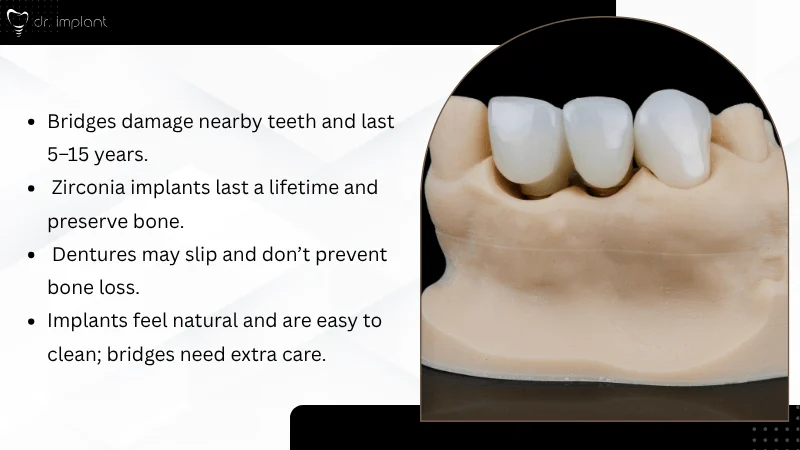
A dental implant bridge requires grinding down the healthy teeth on both sides of your missing tooth. This damages good teeth permanently. A zirconia implant replaces just the missing tooth without affecting your other teeth.
Bridges typically last 5 to 15 years before needing replacement. Zirconia implants can last a lifetime with proper care.
Partial dentures are removable appliances that clip onto your remaining teeth. They’re less expensive upfront but can slip when you talk or eat. Dentures don’t prevent bone loss in your jaw like implants do.
A single zirconia implant gives you a permanent solution that functions like your natural tooth. You brush and floss it normally. Bridges require special flossing tools to clean underneath.
Temporary Tooth Replacement Choices
While waiting for your zirconia implant to heal, you need a temporary tooth replacement for your front tooth. A flipper is the most common option. This removable partial denture fills the gap and looks natural from a normal viewing distance.
Your dentist might use a temporary crown attached to neighboring teeth with bonding material. This stays in place better than a flipper but costs more.
Some dental offices offer same-day temporary solutions that snap onto the implant post immediately after placement. However, this depends on your bone quality and the dentist’s assessment.
The healing period for a zirconia implant typically takes 3 to 6 months. During this time, your temporary replacement protects the surgical site and maintains your appearance.
The Process of Replacing a Single Front Tooth with a Zirconia Implant
Getting a zirconia implant for your front tooth involves several stages, from your initial visit to the final crown placement. Your dentist will evaluate your mouth, surgically place the implant post, and attach a custom crown to complete your new tooth.
Consultation and Assessment of Candidacy
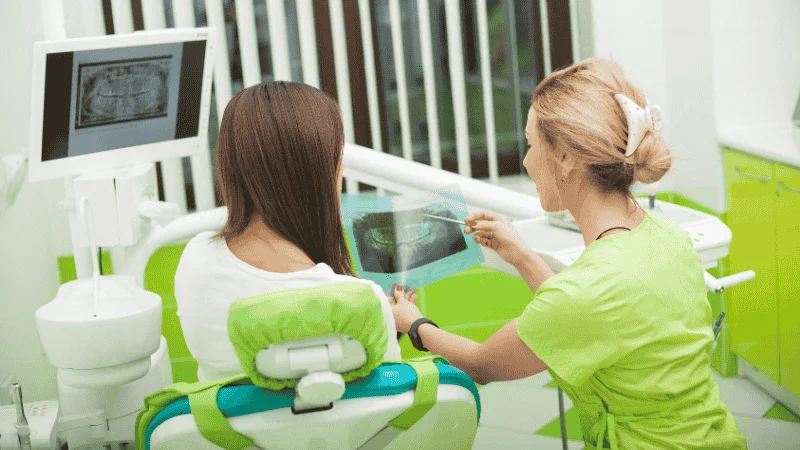
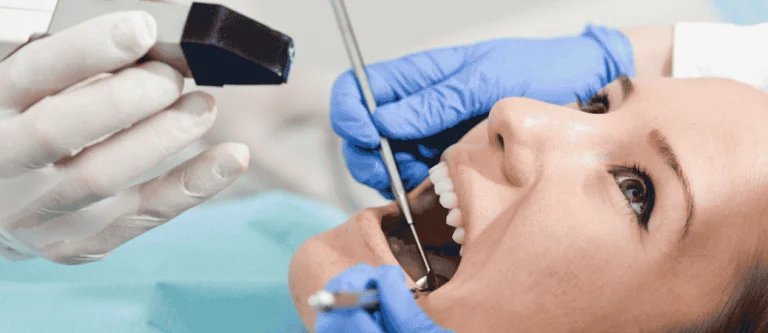
Your dentist will examine your mouth to determine if you’re a good candidate for a single front tooth implant. They’ll take X-rays or 3D scans to check your jawbone density and volume.
You need enough healthy bone to support the implant post. If you’ve had a missing tooth for a long time, you might need a bone graft first to build up the area.
Your dentist will also check your gum health and overall oral condition. They’ll look at the space between your teeth and how your bite comes together. Some patients need orthodontic work before implant placement to create proper spacing.
During this visit, you’ll discuss the timeline and costs. The consultation helps your dentist create a treatment plan that fits your specific needs.
Implant Surgery and Placement Steps
On surgery day, your dentist will numb the area with local anesthesia. They’ll make a small incision in your gum tissue to access the jawbone underneath.
The implant surgery involves placing a biocompatible zirconia post into your jawbone to replace the missing tooth root. Your dentist uses special drills to create a precise hole in the bone. The zirconia post is then carefully inserted into this space.
After implant placement, your dentist will close the gum tissue with stitches. You’ll need to wait several months while the implant fuses with your jawbone through a process called osseointegration.
This healing period typically takes three to six months.
Role of Abutment and Dental Crown
Once your implant has fully integrated with your bone, you’ll return for the abutment placement. The abutment is a small connector piece that attaches to the top of your implant post.
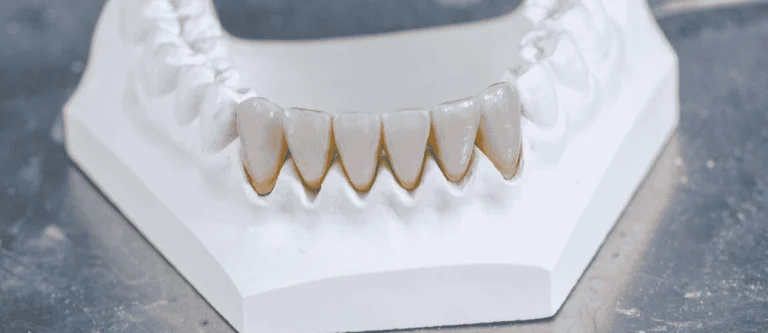
Your dentist will take impressions or digital scans of your teeth to design a custom dental crown. The crown is made to match your natural teeth in color, shape, and size.
The final step involves attaching your custom zirconia crown to the abutment. Your dentist will check the fit and make sure it looks natural with your other teeth. The crown completes your single-tooth implant and restores full function to your smile.
Considerations and Challenges with Front Tooth Zirconia Implants
Replacing a single front tooth with a zirconia implant requires careful planning around your jawbone quality, gum health, and the timing of placement. Each of these factors plays a crucial role in achieving a natural-looking result that lasts.
Bone Grafting and Jawbone Requirements
Your jawbone needs to be strong enough to support a zirconia implant. When you lose a front tooth, the bone in that area starts to shrink over time. This happens because the bone no longer has the tooth root to stimulate it.
If you don’t have enough bone, you’ll likely need bone grafting before getting your implant. This procedure adds bone material to the area where your implant will go.
The graft needs time to heal and integrate with your natural bone, which can take several months.
Front teeth typically require less bone than back teeth because they handle less chewing force. However, the bone still needs to be thick enough and tall enough to hold the implant securely.
Your dentist will use imaging to measure your bone and determine if grafting is necessary.
Soft Tissue and Gum Considerations for Front Teeth
Your gum tissue is especially important when replacing a front tooth because it affects how natural your smile looks. Healthy gums should frame your new tooth just like they frame your natural teeth.
Zirconia implants work well with your gums because the material doesn’t cause the grayish tint that can sometimes show through thin gum tissue with metal implants. The tooth-colored material stays hidden even if your gums recede slightly over time.
You might need a gum graft if you don’t have enough tissue in the area. This helps create the right shape and thickness around your implant.
The gum architecture around front teeth is complex, and your dentist needs to recreate the natural contours for the best appearance.
Immediate vs Delayed Implant Placement
You have two main timing options for getting your front tooth implant. Immediate placement means the implant goes in right after your tooth is removed. Delayed placement means waiting several months after extraction.
Immediate placement can give you faster results and may preserve more bone. However, it only works if you have enough healthy bone and no infection at the extraction site. Your dentist needs to achieve good stability when placing the implant immediately.
Delayed placement gives your extraction site time to heal completely. This approach lets your dentist see exactly how much bone you have to work with. It can lead to more predictable results, especially if you need bone grafting or have thin gum tissue in the front area.
Cost, Longevity, and Real-World Outcomes
Zirconia implants for a single front tooth involve upfront expenses, but they deliver lasting results that many patients find worth the investment. Understanding the price range, visual outcomes, and what influences success helps you make an informed choice.
Zirconia Implants Cost and Value
Zirconia implants range between $1,500 and $7,000 for a single tooth, which is higher than titanium options that typically cost $975 to $5,000. The final price depends on several factors.
Your location plays a major role in cost. Urban areas with higher living expenses often charge more than rural regions. The complexity of your case matters too.
Additional procedures increase the total expense. If you need a bone graft to strengthen your jawbone, that adds to the bill. Tooth extraction before implant placement also costs extra. The fees for dental exams and X-rays contribute to your overall investment.
Specialist care from an oral surgeon instead of a general dentist typically increases costs. The custom crown that sits on top of your implant represents another expense.
Despite the higher upfront cost, many patients choose zirconia for front teeth because of its natural appearance and biocompatibility.
Zirconia Implants Before and After
Your smile transforms significantly after getting a zirconia implant for a front tooth. The white color of zirconia matches natural teeth better than metal alternatives, which is especially important for visible front teeth.
Before implant placement, you might have a gap from a missing tooth or a damaged tooth that affects your confidence. You may struggle with eating certain foods or feel self-conscious when smiling.
After the procedure completes, your implant looks seamless with surrounding teeth. The custom crown is designed to match the shape, size, and color of your natural teeth.
You can smile, talk, and eat without worrying about an obvious replacement tooth.
The healing process takes time. Early on, you might notice mild swelling or redness around the implant site. These symptoms fade as osseointegration progresses over 10 to 12 weeks.
Once healing finishes and your crown is placed, your new tooth feels stable and natural.
Factors Affecting Long-Term Success
Several elements determine how well your zirconia implant performs over time. Your oral health habits make the biggest difference in longevity.
Key success factors include:
- Proper oral hygiene – Brushing twice daily and flossing prevents infection around the implant
- Regular dental visits – Professional cleanings and checkups catch problems early
- Healthy gums – Gum disease can compromise implant stability
- Strong jawbone – Adequate bone density supports the implant long-term
- Avoiding harmful habits – Not using your teeth to open packages or chew hard objects
Research shows dental implants can last decades with proper care. Studies following 10,871 implants for up to 22.2 years demonstrate impressive durability when patients maintain good oral hygiene.
Front teeth implants often last even longer because they experience less chewing force than back teeth.
Your overall health affects outcomes too. Conditions that slow healing or certain medications may impact how well the implant fuses to your jawbone. Discussing your medical history with your dentist helps identify any potential concerns before starting treatment.
Frequently Asked Questions
Zirconia implants offer a metal-free option that looks natural and works well with your body. Many people have questions about costs, recovery time, and how these ceramic implants compare to traditional options.
What are the benefits of choosing a zirconia implant for my front tooth replacement?
Zirconia implants are naturally white, which means they blend in perfectly with your other teeth. You won’t see any gray lines at your gum line like you sometimes can with metal implants.
These ceramic implants are biocompatible, so they work well with your body’s natural tissues. They don’t cause allergic reactions and are perfect if you have metal sensitivities.
Zirconia resists corrosion and doesn’t conduct heat or electricity. This makes them a popular choice for people who want a holistic approach to dental care.
What can I expect during the recovery period after getting a zirconia front tooth implant?
The implant placement process takes several months to complete from start to finish. After your dentist places the implant, you’ll need time for healing before the crown gets attached.
Your gum tissue needs to heal around the implant post first. During this time, you should avoid hard foods and follow your dentist’s care instructions carefully.
Most people can return to normal activities within a few days. The bone needs several months to fully bond with the implant before your permanent crown is placed.
How long can I expect my new zirconia front tooth implant to last?
Zirconia implants can last 15 to 20 years with proper care and maintenance. Your bone density and overall oral health play important roles in how long your implant lasts.
Studies show that zirconia implants have a 90 to 95 percent success rate over 10 years. This makes them a reliable long-term solution for replacing missing teeth.
Good oral hygiene helps your implant last as long as possible. Regular dental checkups also help catch any potential problems early.
Are there any noteworthy differences between zirconia and titanium implants for a front tooth replacement?
The main difference is that zirconia is ceramic while titanium is metal. Zirconia’s white color makes it look more natural, especially for front teeth where appearance matters most.
Zirconia implants are metal-free, which makes them ideal if you have metal allergies or sensitivities. They also resist corrosion better than metal options.
Both materials are strong and durable. Your oral surgeon can help you decide which option works best for your specific situation and needs.
Is it necessary to perform any special maintenance for a zirconia front tooth implant?
You don’t need any special care beyond what you do for your natural teeth. Brush twice a day and floss daily to keep your implant clean and healthy.
Regular dental checkups help make sure your implant stays in good condition. Your dentist will check the implant and surrounding tissue during these visits.
Treating your implant like your natural teeth helps it last longer. Avoid biting hard objects and maintain good oral hygiene habits.
Can you give me a rough estimate of the cost involved in getting a zirconia implant for a single front tooth?
Zirconia implants typically cost more than titanium implants because of their superior material and manufacturing process. The exact price depends on your location and the dentist you choose.
Many patients find the benefits worth the extra cost. The natural appearance, biocompatibility, and durability make zirconia a valuable investment in your smile.
Your dental insurance may cover part of the cost. Talk to your dentist’s office about payment plans and financing options if you need them.