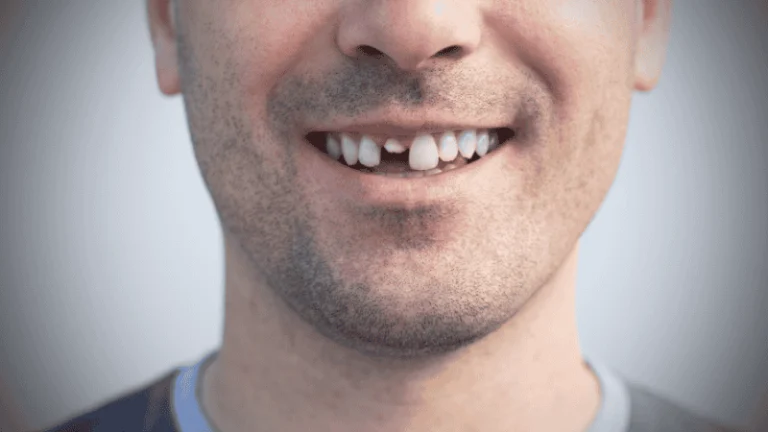
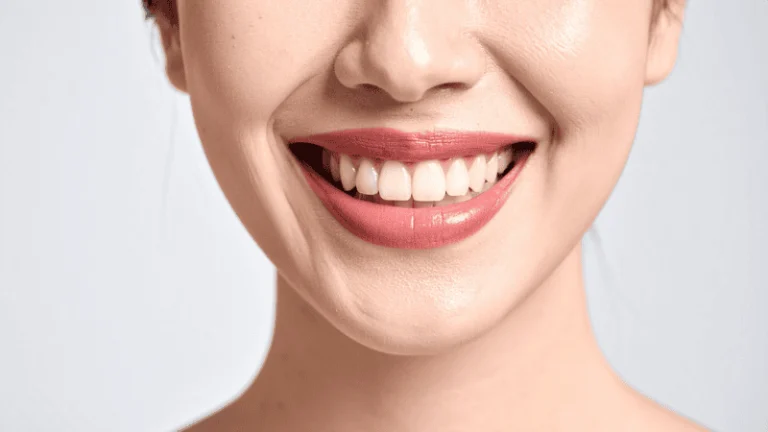
When you’re considering dental implants, you want more than just a replacement tooth. You want something that looks real, feels comfortable, and blends in with your natural smile.
Zirconia implants look more natural than traditional titanium implants because they are white like real tooth roots and don’t create gray shadows or dark lines along the gumline.
This makes a big difference if you have thin gums or need implants in visible areas when you smile.
Traditional titanium implants work well and have been used successfully for many years. But their gray metal color can sometimes show through your gum tissue, especially as time passes.
Zirconia dental implants offer a tooth-colored ceramic that reflects light like natural teeth do, creating a more lifelike appearance from every angle.
The choice between zirconia and titanium isn’t just about looks. You also need to think about how each type works with your body, how long they last, and which option fits your specific dental needs.
Understanding what makes each implant type different helps you make the right decision for your smile and overall health.
Key Takeaways
- Zirconia implants are white and blend naturally with teeth and gums while titanium implants can create gray shadows
- Both implant types are strong and long-lasting but zirconia offers better looks in visible smile areas
- The best implant choice depends on your bone quality, gum type, and personal health goals
Get premium zirconia implant solutions across Miami, Pembroke Pines, and Delray Beach, FL today.
What Makes Zirconia Implants Appear Natural?
Zirconia bridges and implants blend seamlessly with your natural smile because of their white ceramic color, light-transmitting properties, and ability to support healthy gum tissue without creating dark lines at the gumline.

Tooth-Colored Design and Translucency
Zirconia dental implants are made from zirconium dioxide, a white ceramic material that closely matches the natural color of your teeth. Unlike metal implants that have a gray or silver appearance, zirconia starts with a tooth-colored base.
The translucency of zirconia is what really sets it apart from other dental materials. When light hits your teeth, it passes through the enamel and reflects back out.
Zirconia behaves the same way. This means your implant crown can glow naturally just like your real teeth do.
The light-transmitting quality prevents that artificial look some dental restorations have. Your zirconia teeth will reflect light in a way that makes them nearly impossible to tell apart from natural teeth, even under bright lighting or close examination.
Integration with Gum Tissue
Your gums play a major role in how natural your smile looks. Zirconia implants encourage healthy soft tissue integration, which means the gums around the implant stay pink, firm, and naturally shaped.
The smooth ceramic surface of zirconia is gentle on your gum tissue. Research shows that zirconia’s bioinert surface minimizes tissue irritation, leading to better long-term gum health around the implant site.
This matters especially if you experience gum recession. When gums pull back slightly over time, a white zirconia implant remains invisible beneath the tissue.
Your gumline stays looking natural without any color changes or visible metal showing through.
Absence of Metal Shadows
One of the biggest aesthetic problems with traditional titanium implants is the dark shadow they can create at your gumline. This happens when the gray metal shows through thin or translucent gum tissue.
Zirconia implants eliminate the risk of dark shadows or gray lines around the gumline because there is no metal involved. The white ceramic stays hidden even if your gums are naturally thin or become thinner over time.
This benefit is especially important for your front teeth, where any discoloration is immediately noticeable when you smile or talk. The tooth-colored material ensures your smile looks completely natural from every angle.
Visit our Florida clinic to explore zirconia implants aesthetic benefits for your smile.
Traditional Titanium Implants: Appearance and Limitations
Titanium implants have been the standard choice for decades, but their gray metallic color can create visible problems in certain areas of your mouth.
The material’s appearance becomes most noticeable when you have thin gum tissue or when your gums recede over time.
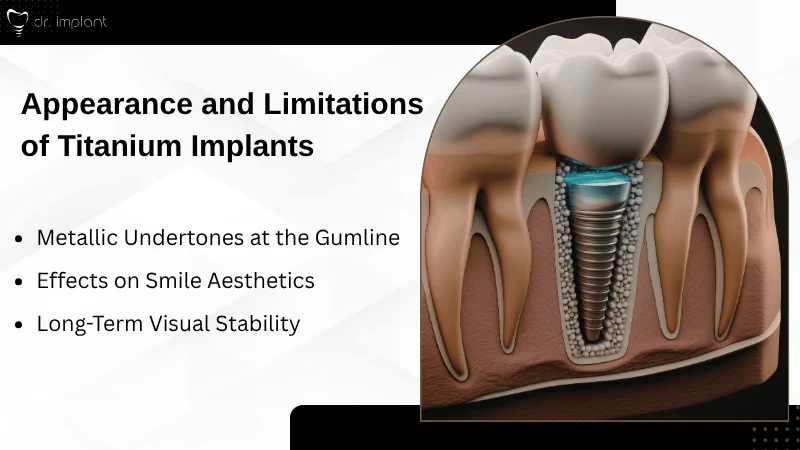
Metallic Undertones at the Gumline
The gray color of titanium can show through your gum tissue, especially if you have a thin biotype. This creates a dark shadow or bluish-gray line where your implant meets your gum.
You’ll notice this issue most in your front teeth, where your gums are naturally thinner and more translucent. When light passes through the tissue, it reveals the metal underneath. This becomes more obvious when you smile or talk.
The problem gets worse if your gums recede. As the tissue pulls back, more of the titanium post becomes exposed. Even though titanium supports excellent osseointegration, that fusion with your jawbone doesn’t prevent the aesthetic concerns at the gumline.
Your dentist might try to hide the metal with pink porcelain or thicker crown margins. These solutions help but don’t fully solve the visibility issue if you have thin or receding gums.
Effects on Smile Aesthetics
Front teeth implants face the biggest aesthetic challenges with titanium. The metal affects how natural your crown looks, even when the crown itself is perfectly crafted.
Your natural teeth have a slight translucency that lets light pass through them. When a crown sits on a gray titanium base, it can’t replicate that same light behavior. The result looks more opaque and artificial.
Common aesthetic concerns include:
- Dark shadows visible through the gum tissue
- Unnatural color transitions between tooth and gum
- Difficulty matching the translucency of neighboring teeth
- Gray tint that becomes more obvious in certain lighting
These issues matter less for your back teeth, where appearance isn’t as critical. But for visible areas, the metallic color creates compromises in how natural your smile looks.
Long-Term Visual Stability
Titanium implants remain functionally stable for 20 years or more, but their appearance can change as your gums shift. Gum recession happens naturally with age and can be accelerated by conditions like peri-implantitis.
When your gums recede around titanium, more of the gray metal becomes visible. You might see the implant thread pattern or the junction where the implant meets the abutment. This exposure creates a less attractive result over time.
The strong bond between titanium and bone through osseointegration keeps your implant secure. But that stability doesn’t prevent the cosmetic changes that occur as your soft tissue moves.
You may need additional procedures to cover exposed metal or rebuild gum tissue around the implant site.
Schedule your consultation to experience the aesthetic benefits of zirconia implants.
Head-to-Head Aesthetic Comparison
When comparing zirconia and titanium side by side, the differences in appearance become clear, especially in how each material interacts with your gum tissue and maintains its color over the years.
Side-by-Side Smile Results
Zirconia implants are consistently white from top to bottom, which makes them blend seamlessly with your natural teeth. When you look at smile results, zirconia appears more natural and is a better choice if you have receding or thin gums.
Titanium implants have a gray metallic color that can show through your gum tissue. This creates a dark shadow near the gum line that looks unnatural.
In a recent survey, 85% of patients preferred the aesthetic results of zirconia implants, particularly in visible areas of the mouth. The white ceramic matches the light-reflecting properties of real teeth. You won’t see any metal showing through, even in bright lighting.
Influence of Gum Thickness and Recession
Your gum thickness plays a major role in how natural your implant looks. If you have thin gums, titanium’s gray color becomes more visible through the tissue.
Zirconia gives you an advantage here because the white color won’t create dark shadows even with minimal gum coverage. Research shows that zirconia implants help avoid the phenomenon of gingival recession that normally occurs in metal implants.
When gum recession happens over time, titanium implants can expose the metal collar near the crown. This creates an obvious gray line at your gum margin. Zirconia stays white all the way through, so any exposure still looks tooth-colored.
Color Stability Over Time
Zirconia maintains its bright white color permanently. The material is the same color throughout, so it won’t change shade or discolor as years pass.
Titanium doesn’t change color either, but its gray appearance remains constant. If your gums shift or recede, that metal color becomes more noticeable over time.
The white ceramic of zirconia gives you long-term aesthetic security, especially for front teeth where appearance matters most.
Natural Look in Full Mouth and Complex Restorations
When you’re replacing multiple teeth or an entire arch, the challenge isn’t just about function. It’s about creating a smile that looks cohesive, balanced, and authentically yours; down to the smallest details in tooth shape, gum color, and how everything fits your face.
Full Mouth Dental Implants and Smile Design
Full mouth dental implants transform your entire smile at once, which means every visible element needs to work together. Zirconia offers a distinct advantage here because its natural white color eliminates any risk of metal showing through your restoration.
When you choose zirconia for a full mouth restoration, your dentist can design prosthetic teeth that match the light-reflecting properties of natural enamel. This creates visual harmony across your entire smile. The teeth don’t just look uniform; they look alive.
With traditional titanium implants, there’s always a small chance of gray shadows appearing near the gumline, especially if your gum tissue is thin. Zirconia removes that concern entirely.
Your restoration stays bright and natural-looking from every angle, whether you’re smiling in daylight or under indoor lighting.
Gum Appearance and Contours
Your gums frame your teeth, and their appearance matters just as much as the teeth themselves. Zirconia encourages healthier gum tissue integration, which means the soft tissue around your implants looks pink, firm, and natural.
Because zirconia implants are biocompatible and resist bacterial buildup, they support better long-term gum health. Your gum contours stay smooth and consistent, without the inflammation or recession that can sometimes occur around metal implants.
This is especially important in full mouth cases where multiple implant sites need to heal uniformly. Zirconia’s smooth, non-porous surface helps your gums settle into attractive, lifelike contours that complement your new teeth.
The result is a seamless transition between tooth and gum; no dark lines, no uneven edges.
Role of 3D Imaging and Customization
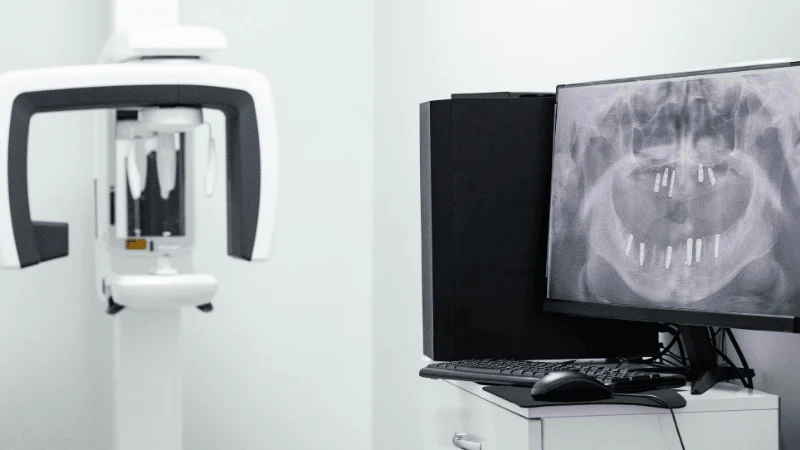
Modern full mouth implant cases rely heavily on 3D imaging to plan every detail before surgery even begins. Your dentist uses these scans to map your bone structure, determine ideal implant positions, and design a restoration that fits your unique facial features.
With zirconia, this planning becomes even more precise. The material can be milled into custom abutments and prosthetics that match your exact specifications.
This level of customization ensures that your implants not only function properly but also look like they belong in your mouth.
3D imaging also helps predict how light will interact with your final restoration. Because zirconia transmits light similarly to natural teeth, your dentist can visualize the end result with greater accuracy.
You get a preview of your new smile that’s both realistic and achievable.
Beyond Looks: Health and Longevity Considerations
While zirconia implants offer clear aesthetic advantages, their impact on your overall oral health and long-term success is equally important.
These implants provide unique benefits in terms of biocompatibility, gum tissue response, and bone integration that can affect how well your implant performs for years to come.
Biocompatibility and Allergic Reactions
Zirconia implants are completely metal-free, which makes them an excellent choice if you’re concerned about metal sensitivity. Unlike titanium implants, zirconia won’t release metal ions into your surrounding tissues over time.
Some people experience allergic reactions or sensitivities to titanium, though it’s relatively rare. If you have a history of metal allergies or prefer a more holistic approach to dental care, zirconia offers peace of mind.
Zirconia implants are made from zirconium dioxide, a biocompatible ceramic that your body accepts naturally. This material doesn’t cause inflammation or immune responses in most patients.
The ceramic surface is inert, meaning it won’t corrode or break down in your mouth’s wet environment.
Gum Health and Peri-Implantitis Risk
Your gum tissue responds differently to zirconia compared to titanium. Zirconia’s smooth, non-porous surface makes it harder for bacteria to stick and colonize around the implant.
Peri-implantitis is an inflammatory condition that affects the tissues around dental implants, similar to gum disease. Studies show that zirconia implants accumulate less plaque than their metal counterparts. This reduced bacterial adhesion can lead to healthier gums and lower risk of infection.
The white ceramic also promotes better soft tissue attachment. Your gums integrate more naturally with the implant surface, creating a tighter seal that helps keep bacteria out. This biological response can be crucial for maintaining long-term implant health.
Durability and Osseointegration
Clinical studies show survival rates above 95% for zirconia implants after several years of use, which is comparable to titanium. Osseointegration, the process where bone fuses to the implant, occurs successfully with both materials.
Modern zirconia implants use high-strength ceramic formulations that resist fracture under normal chewing forces. The material doesn’t corrode, so it maintains its structural integrity indefinitely.
However, titanium implants have decades more research backing their long-term performance. Zirconia represents newer technology, though current evidence shows it performs reliably.
Your bone quality, bite forces, and specific case details will determine which material offers you the best long-term results.
Frequently Asked Questions
Zirconia implants offer a white ceramic appearance that blends with natural teeth, while costs typically run higher than titanium options at $1,500 to $7,000 per implant.
What are the aesthetic differences between zirconia and titanium dental implants?
The most obvious difference is color. Zirconia implants are naturally white, which matches the shade of your real teeth.
Titanium implants have a gray or silver metallic color. This can sometimes show through your gums, especially if you have thin gum tissue or if your gums recede over time.
Zirconia also has a translucent quality similar to natural tooth enamel. When light hits a zirconia implant, it reflects in a way that makes the restoration look more like part of your natural smile.
Can zirconia implants match my natural tooth color?
Yes, zirconia implants can match your natural tooth color very well. The ceramic material comes in a tooth-colored shade that blends seamlessly with surrounding teeth.
Your dentist can select a crown that matches your specific tooth shade. Since the implant post itself is white rather than metallic gray, you won’t have to worry about dark shadows showing through your gum line.
This makes zirconia a good choice if you’re getting implants in visible areas like your front teeth. The natural appearance helps your restoration blend in with your smile.
How do the costs compare between zirconia and titanium dental implants?
Zirconia implants cost more than titanium options. A single titanium implant typically ranges between $975 and $5,000, while zirconia implants range between $1,500 and $7,000.
The higher price for zirconia comes from the advanced ceramic material and manufacturing process. The material itself costs more to produce, and fewer dentists currently offer zirconia implants compared to titanium.
However, you should think about long-term value. If you avoid complications or the need for future adjustments due to metal sensitivities or aesthetic issues, the extra upfront cost might balance out over time.
Are there any common issues associated with zirconia dental implants?
Zirconia implants are a newer technology, which means they don’t have the same decades of long-term data as titanium implants. Dentists can’t predict outcomes as confidently because the research is still developing.
Some dentists have less experience placing zirconia implants. This can make it harder to find a qualified provider in your area.
Zirconia implants are also more brittle than titanium. While they’re strong, they may be more prone to fracture under extreme force, though this is uncommon with proper placement and care.
What should I consider when choosing a dentist for zirconia dental implants?
Look for a dentist who has specific training and experience with zirconia implants. Ask how many zirconia implants they’ve placed and what their success rate has been.
Check if your dentist uses modern imaging technology like 3D scans. This helps ensure precise placement of your implant.
Ask about the brand of implants they use and whether they have experience managing any complications. You want someone who knows both the benefits and limitations of zirconia materials.
What are the benefits of choosing zirconia implants for a holistic dental approach?
Zirconia implants are metal-free, which appeals to patients who prefer to avoid metals in their body. Some people have sensitivities or allergies to titanium, making zirconia a safer alternative.
The ceramic material is biocompatible and doesn’t corrode or release particles into your body. This gives you peace of mind if you’re concerned about long-term exposure to foreign materials.
Zirconia also causes less inflammation in your gum tissue. The material integrates well with your jawbone and soft tissues, supporting better overall oral health.