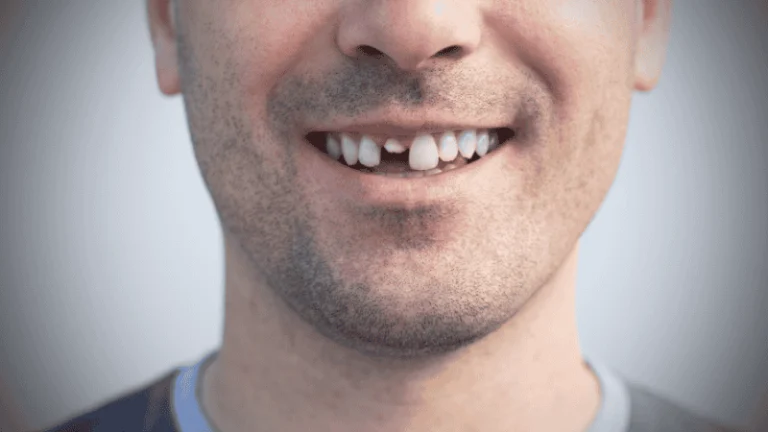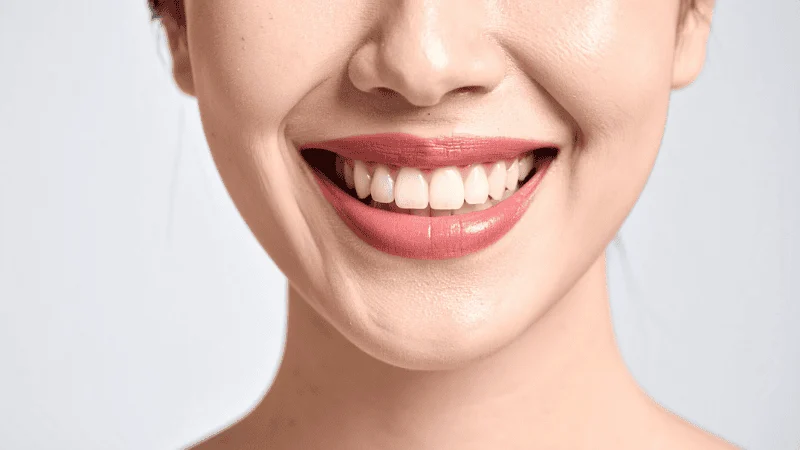
If you’re considering dental implants and want a metal-free option, you might be wondering about zirconia bridges and their safety.
These ceramic tooth replacements have become more popular in recent years, especially among people who prefer holistic dental treatments or have concerns about metal in their mouth.
Zirconia dental implants are considered safe, highly biocompatible, and they integrate well with your bone without causing allergic reactions or releasing metal ions into your body.
Made from zirconium dioxide, a strong ceramic material, these implants offer a white, tooth-colored appearance that blends naturally with your smile.
While they haven’t been studied as long as titanium implants, research shows they perform well with success rates between 90-95% over 10 years.
Your individual health situation, bone density, and lifestyle all play a role in determining if zirconia implants are the right choice for you.
Understanding what makes these implants different from traditional titanium options can help you make a confident decision about your dental health.
Key Takeaways
- Zirconia implants are safe, biocompatible ceramic alternatives to metal implants that don’t cause allergic reactions
- These implants have a 90-95% success rate over 10 years and offer natural-looking results with their white color
- Your specific health conditions and bone quality determine whether zirconia or titanium implants work best for your needs
Understanding Zirconia Dental Implants
Zirconia dental implants are made from a white ceramic material called zirconium dioxide that serves as an alternative to traditional metal implants. These ceramic dental implants offer unique properties that make them suitable for replacing missing teeth.
What Are Zirconia Dental Implants?
Zirconia dental implants are tooth replacement devices made from zirconium dioxide, a white powdered ceramic material. Unlike metal implants, these ceramic dental implants are white in color and blend naturally with your teeth and gums.
The material used in these implants is typically yttria-stabilized tetragonal zirconia polycrystals (Y-TZP). This type of zirconia provides the strength needed to support dental restorations while maintaining biocompatibility with your body tissues.
Zirconia implants come in one-piece and two-piece designs. The one-piece design has the implant post and abutment combined as a single unit. The two-piece design separates these components, similar to traditional titanium implants.
Types of Dental Implant Materials
You have several options when choosing dental implant materials. The two main categories are metal-based and ceramic-based implants.
Metal-Based Implants:
- Titanium: The most common material used for decades
- Titanium alloys: Combinations of titanium with other metals for enhanced properties
Ceramic-Based Implants:
- Zirconia: A white ceramic material that mimics natural tooth color
- Alumina: Less commonly used ceramic option
Titanium has been the standard choice in dental implantology due to its proven track record and strong bone integration. However, zirconia has gained popularity with a 12% increase in usage as more patients seek metal-free alternatives.
How Zirconia Dental Implants Work
Zirconia dental implants work by fusing with your jawbone through a process called osseointegration. When your dentist places the implant into your jawbone, your bone cells grow around and attach to the implant surface over time.
The implant acts as an artificial tooth root that provides a stable foundation for a crown or bridge. Zirconia implants can bond with bone-like apatite, allowing them to integrate with bone similarly to titanium implants.
The surface characteristics of zirconia dental implants play a key role in how well they work. Your implant may have a roughened or textured surface that helps bone cells attach more effectively.
This surface modification promotes faster healing and stronger integration with your jawbone.
Visit our experts in Florida to see if zirconia dental implants are the right choice for you.
Are Zirconia Dental Implants Safe?
Zirconia dental implants are safe for most patients and offer a biocompatible alternative to traditional metal options.
Research shows these ceramic implants integrate well with bone tissue and rarely cause allergic reactions, making them suitable even for people with metal sensitivities.
Scientific Evidence and Clinical Studies
Studies indicate that zirconia implants have a 90-95% success rate over 10 years, which demonstrates their reliability as a tooth replacement option. Research from clinical trials shows that these implants can effectively bond with your bone through a called osseointegration, similar to how titanium implants work.process
Surface modifications like sandblasting and laser etching have improved how well bone cells attach to zirconia implants. These treatments increase the contact between your bone and the implant, which helps with stability and healing.
Clinical evaluations reveal that zirconia implants placed in areas requiring high aesthetics showed 100% survival rates after 13.5 months. Patients reported high satisfaction with both function and appearance after treatment.
The evidence supports that zirconia dental implants work well for most people, though long-term studies are still ongoing compared to the decades of research available for titanium.
Biocompatibility and Allergic Reactions
Zirconia is highly biocompatible, meaning it interacts favorably with your body’s tissues. This material minimizes the risk of inflammation, rejection, or adverse reactions in your mouth.
If you have metal allergies or sensitivities, zirconia offers a metal-free option that eliminates concerns about allergic responses. The material promotes healthy gum tissue integration and supports soft tissue healing around the implant site.
Research shows that zirconia implants exhibit a lower inflammatory response compared to titanium. Studies found that zirconia particles caused less bone resorption and tissue irritation than metal alternatives.
The bio-inert properties of zirconia enhance periodontal integration, which means your gums and surrounding tissues typically respond well to these implants without triggering immune reactions.
Comparison to Titanium Dental Implants
Both zirconia and titanium dental implants are safe, but they have different characteristics. Titanium has been the standard for decades with extensive long-term research supporting its use. Zirconia is newer but offers specific advantages for certain patients.
Key differences include:
- Appearance: Zirconia is naturally white and matches your teeth, while titanium is gray and may show through your gums
- Allergies: Zirconia works for people with metal sensitivities, whereas some patients react to titanium
- Bacteria resistance: Zirconia surfaces accumulate significantly lower levels of biofilm than titanium, reducing infection risk
The bending moment to fracture of zirconia implants is less than titanium, which raises some concerns about fracture resistance under extreme force.
However, studies show zirconia implants can withstand masticatory forces for several years, enduring up to 10 million chewing cycles in laboratory tests.
Your choice between these materials depends on your specific needs, aesthetic preferences, and whether you have any metal sensitivities.
Schedule your consultation today to find out if zirconia dental implants are safe for your needs.
Benefits of Zirconia Dental Implants
Zirconia implants offer several key advantages that make them an attractive option for tooth replacement. These biocompatible ceramic implants provide natural-looking results, work well with your body’s tissues, and eliminate concerns about metal sensitivities.
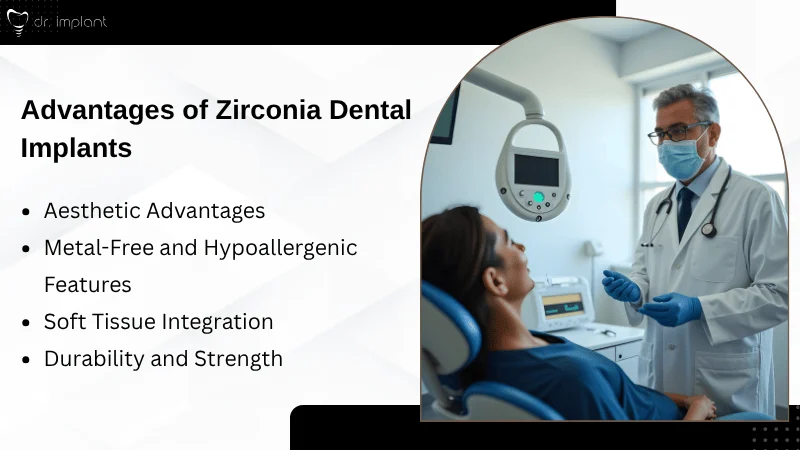
Aesthetic Advantages
Zirconia implants are naturally white and closely match the color of your real teeth. This means you don’t have to worry about dark metal showing through your gums if they recede over time.
The tooth-colored material creates a seamless appearance that blends with your natural smile. This is especially important if you need an implant in the front of your mouth where people can see it.
Studies show that patients report high satisfaction with the aesthetic results of zirconia implants, with average pink and white esthetic scores of 7.5 and 8 respectively.
Unlike titanium implants that can cause gray discoloration of your gum tissue, zirconia maintains the natural pink color of your gums. The optical properties of zirconia work well with ceramic crowns to create restorations that look just like your natural teeth.
Metal-Free and Hypoallergenic Features
If you have a metal allergy or sensitivity, zirconia implants give you a safe alternative to traditional titanium implants. These metal-free dental implants are made from zirconium dioxide, which is non-conductive and won’t cause allergic reactions.
Zirconia is biologically inert, meaning it won’t trigger unwanted responses in your body. You don’t have to deal with the metallic taste that some people experience with titanium implants.
The material also eliminates the risk of galvanic reactions that can happen when different metals interact in your mouth.
Research shows that zirconia produces lower inflammatory responses compared to titanium particles. This makes zirconia a good choice if you prefer holistic dental treatments or want to avoid metal in your body.
Soft Tissue Integration
Your gum tissue responds well to zirconia implants. The smooth surface of zirconia helps reduce plaque buildup around the implant, which supports better gum health over time.
Studies demonstrate that zirconia’s bio-inert properties enhance periodontal integration and reduce inflammation around the implant site.
The material promotes healthy soft tissue healing and helps maintain the tissues around your implant. Zirconia surfaces collect significantly less bacteria than titanium in the early stages after placement.
The hydrophilic nature of treated zirconia surfaces helps cells attach more easily during healing. This improved soft tissue integration can lead to better long-term results and reduced risk of complications like peri-implantitis.
Durability and Strength
Zirconia implants are strong enough to handle the forces of chewing and biting. The material has high fracture toughness and flexural strength that allow it to perform well in your mouth.
Testing shows that zirconia implants can withstand masticatory forces for several years, with studies indicating they endure 10 million loading cycles at 95 N force.
The material is also resistant to corrosion and wear, which helps your implant last longer. Zirconia’s lower thermal conductivity means it doesn’t transfer hot and cold temperatures as much as metal implants.
However, zirconia can be more brittle than titanium under extreme loads. Recent advances in zirconia composites have improved the material’s mechanical properties to make it more reliable for dental applications.
Risks and Limitations of Zirconia Dental Implants
While zirconia implants offer many benefits, they do have some drawbacks you should know about. These include concerns about breakage, limited long-term research, fewer design options, and higher costs compared to traditional titanium implants.

Potential for Fractures or Brittleness
Zirconia is more brittle than titanium, which means it can break under certain conditions. The dental implant process can take several months, and in rare cases, zirconia dental implants can break due to accidents or severe teeth grinding.
If you have a habit of clenching or grinding your teeth at night, this could put extra stress on your zirconia implant. The material can fracture when exposed to extreme force or impact.
Studies show that the bending moment to fracture of zirconia implants is less than titanium implants, raising concerns about their fracture resistance.
Two-piece zirconia implants may have additional weak points at the connection between the implant and abutment. This is why your dentist needs to carefully evaluate whether you’re a good candidate for this type of implant based on your bite force and oral habits.
Long-Term Data and Success Rates
Zirconia dental implants are relatively new compared to titanium options. Zirconia dental implants have not been as extensively researched as their titanium counterparts, which means we have less data about how they perform over many years.
Titanium implants have been used successfully for decades, giving dentists a clear picture of what to expect long-term. With zirconia, most studies focus on results from just a few years after placement.
While early results look promising, we don’t yet know how these implants will hold up after 15 or 20 years.
This lack of long-term evidence makes it harder for you and your dentist to predict outcomes with complete confidence.
Design Limitations
Zirconia implants come in fewer shapes and sizes than titanium options. This can make treatment planning more challenging, especially if you have unique jaw anatomy or bone structure.
Two-piece zirconia implants are less common and newer to the market than one-piece designs. Many dentists have more experience working with titanium systems that offer more flexibility in customization.
The manufacturing process for zirconia is also more complex, which limits the variety of designs available.
If you need a specific implant configuration for your situation, your dentist might have fewer zirconia options to choose from.
Cost Considerations
Zirconia presents challenges such as brittleness under extreme loads and higher costs due to its complex manufacturing process. The material itself is more expensive to produce than titanium.
You can expect to pay more for zirconia dental implants compared to traditional titanium ones. The specialized equipment and expertise needed to work with zirconia also add to the overall treatment cost.
Insurance coverage may be similar to titanium implants, but the out-of-pocket difference can be significant.
The higher price reflects both the material costs and the additional skill required to place these implants successfully.
Dental Implant Placement and Maintenance
Zirconia dental implants require a careful placement process, proper healing time for bone integration, and consistent care to ensure long-term success.
Understanding each step helps you know what to expect during treatment and how to protect your investment.
Implant Placement Procedure
Your implant dentist will begin by taking detailed scans and X-rays to plan the exact position of your implant. This planning ensures the implant is placed at the correct angle and depth in your jawbone.
During the procedure, your dentist will numb the area with local anesthesia. They will then make a small opening in your gum tissue to access the jawbone. The zirconia implant is carefully inserted into the prepared site in your jaw.
The entire implant placement typically takes one to two hours per implant. You may experience some swelling and discomfort for a few days after the procedure, which is normal.
Your dentist will provide specific instructions for managing any discomfort and protecting the surgical site during initial healing.
Osseointegration and Healing
After implant placement, your jawbone needs time to grow around and fuse with the zirconia implant through a process called osseointegration. This bone integration is what makes your implant stable and permanent.
The healing period usually takes three to six months. During this time, you should follow a soft food diet and avoid putting pressure on the implant site. Your bone cells will gradually attach to the implant surface, creating a strong bond.
Research shows that zirconia implants achieve successful osseointegration comparable to traditional titanium implants. The material’s biocompatibility helps promote healthy bone growth and reduces inflammation during healing.
Maintenance and Aftercare
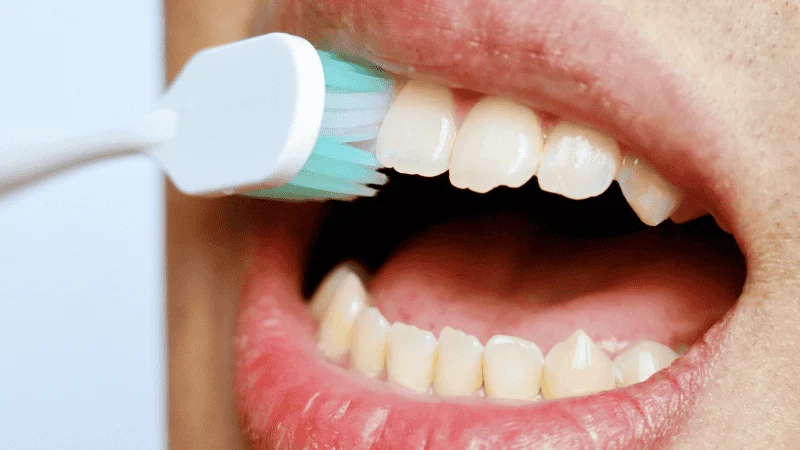
Proper care keeps your zirconia implants healthy for many years. You need to brush twice daily and floss around your implants just like natural teeth. Regular dental check-ups help your dentist monitor the implant and surrounding gum tissue.
Key maintenance steps include:
- Brushing gently around the implant with a soft-bristled toothbrush
- Using unwaxed floss or interdental brushes to clean between teeth
- Avoiding hard or sticky foods that could damage the restoration
- Scheduling professional cleanings every six months
Watch for warning signs like persistent pain, swelling, or looseness around your implant. Contact your implant dentist immediately if you notice any of these issues. With proper maintenance, zirconia implants can last for decades.
Frequently Asked Questions
Zirconia implants raise questions about complications, durability, and how they compare to traditional titanium options. Patients also want to know about healing times and how dentists choose the right material for individual needs.
What are the potential complications associated with Zirconia dental implants?
Zirconia dental implants can experience complications similar to other implant types, though they remain generally safe.
You might face issues like infection at the implant site, which can occur if bacteria enter the surgical area during or after the procedure.
Implant failure is another possible complication, though it happens less often with proper care. Your bone density and gum health play important roles in whether complications develop.
Some patients experience minor swelling or discomfort after surgery, which typically goes away within a few days. Nerve damage is rare but can happen if the implant is placed too close to nerve pathways.
Your individual circumstances, including your overall health and oral hygiene habits, affect your risk level. Working with an experienced dentist reduces the chances of complications significantly.
Can you detail the pros and cons of Zirconia vs. titanium dental implants?
Zirconia implants offer a metal-free alternative to traditional titanium, making them perfect if you have metal allergies or sensitivities. The ceramic material is naturally white, so it won’t create a grey line at your gum line like titanium sometimes does.
These implants are biocompatible, meaning your body accepts them without triggering allergic reactions. They don’t conduct heat or electricity, which some patients prefer.
On the downside, zirconia implants typically cost more than titanium options because of their manufacturing process. They also have a shorter track record in dentistry, with less long-term research compared to titanium.
Titanium implants have been used for decades and have extensive research supporting their success rates. They’re usually less expensive and widely available.
Both materials show similar strength levels, with zirconia demonstrating a 90-95% success rate over 10 years. Your choice often comes down to personal preferences about materials and appearance.
What should one expect during the healing process after receiving Zirconia implants?
Your healing process after getting zirconia implants follows similar patterns to other dental implant procedures. You’ll likely experience some swelling and mild discomfort in the first few days after surgery.
Most patients return to normal activities within a week. Your jawbone needs time to fuse with the implant, a process called osseointegration that typically takes several months.
During the first week, you should stick to soft foods and avoid chewing near the implant site. Your dentist will prescribe pain medication if needed and may recommend ice packs to reduce swelling.
You’ll need to keep the area clean by gently rinsing with salt water. Avoid smoking and drinking through straws, as these activities can slow healing.
Follow-up appointments let your dentist check how well your implant is integrating with your bone. Full healing usually takes three to six months before your permanent crown can be attached.
Are Zirconia dental implants as durable as other types of implants?
Zirconia implants are incredibly strong and resistant to breaking, matching the durability of titanium implants. The ceramic material can withstand the forces of chewing and biting just like your natural teeth.
Studies show that zirconia implants achieve success rates between 90-95% over a 10-year period. With proper care, these implants can last 15-20 years or longer.
Your implant’s lifespan depends on several factors beyond the material itself. Your bone density, oral hygiene habits, and overall health all affect how long your implants last.
Zirconia is also resistant to corrosion, which helps maintain its strength over time. Unlike some materials, it won’t degrade when exposed to the acids and bacteria in your mouth.
Regular dental checkups and good home care help maximize your implant’s durability. Brushing twice daily and flossing keep your implants in excellent condition.
What has been the patient satisfaction rate with Zirconia dental implants?
Zirconia implants have gained popularity among patients seeking metal-free, natural-looking alternatives to traditional implants. Many patients appreciate the aesthetic benefits, especially for front teeth where appearance matters most.
The biocompatible nature of zirconia appeals to people concerned about putting metal in their bodies. Patients with metal sensitivities report high satisfaction since they can finally get implants without allergic reactions.
Success rates of 90-95% over 10 years indicate strong patient outcomes. The white color of zirconia creates a more natural appearance that blends seamlessly with your gums.
Patients who choose zirconia for full-mouth restorations often express satisfaction with the metal-free solution. The lack of a grey gum line contributes to positive patient experiences.
Your individual satisfaction will depend on your specific needs and expectations. Discussing your goals with your dentist helps ensure you choose the right implant type for your situation.
How do dentists determine the best dental implant material for their patients?
Your dentist evaluates several factors when choosing between zirconia and titanium implants for your specific situation. They’ll assess your bone density through X-rays and scans to ensure you have enough bone to support an implant.
Your medical history plays a big role in the decision. If you have metal allergies or sensitivities, your dentist will likely recommend zirconia.
Aesthetic concerns matter too, especially for front teeth where visible grey lines from titanium would be noticeable. Your dentist considers which teeth need replacement and how visible they are when you smile.
Your budget affects the choice since zirconia typically costs more than titanium. Your dentist will discuss both options and their price differences.