If you have an old dental implant that’s causing problems, you’re probably wondering whether it can be fixed or needs to come out.
Replacing a failed dental implant with a new one is not only possible, but often straightforward, with modern implants showing success rates around 95%.
While dental implants are designed to last many years, they can sometimes fail due to infection, bone loss, or other issues.
The good news is that you have options for replacing a failed dental implant,. Whether your implant is loose, painful, or just not working right anymore, dental professionals can evaluate what’s happening and determine the best path forward.
Sometimes a simple repair works, but other times replacement of the entire implant is the better choice for long-term success.
Understanding why implants fail and what the replacement process involves can help you make informed decisions about your dental health.
You’ll want to know what to expect, how long treatment takes, and what you can do to make sure your next implant lasts.
Key Takeaways
- A failing dental implant can be replaced with a new one, often achieving the same high success rates as the original implant
- The replacement process involves removing the old implant, addressing bone loss if needed, and placing a new implant after proper healing
- Good oral hygiene, regular dental visits, and avoiding tobacco are essential for keeping your replacement implant healthy long-term
Recognizing Signs of an Aging or Failing Dental Implant
Knowing when your dental implant isn’t working properly helps you get treatment before bigger problems develop.
Pain that won’t go away, movement in the implant, swollen gums, and trouble eating are clear warning signs that something needs attention.
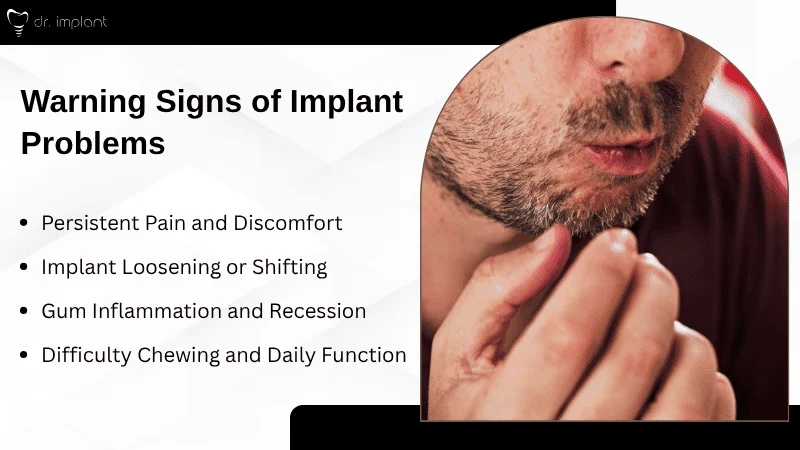
Persistent Pain and Discomfort
You shouldn’t feel ongoing pain around a healthy dental implant. Some mild discomfort right after surgery is normal, but pain that lasts for weeks or comes back months or years later signals a problem.
The pain might feel sharp when you touch the area or dull and constant throughout the day. You could notice it gets worse when you bite down or chew food.
Failed dental implants often cause persistent discomfort that regular pain medication doesn’t fully fix.
Swelling around the implant site along with pain usually means infection. Your gums might feel tender or throb even when you’re not using that tooth.
Don’t ignore these symptoms because they point to implant failure that needs professional care.
Implant Loosening or Shifting
A stable implant should feel just like your natural teeth. If you notice any movement or wiggling, your implant is failing. The implant post might not have bonded properly to your jawbone, or the bone around it could be breaking down.
You might feel the implant shift when you eat or touch it with your tongue. A loose crown on top of the implant is different from the actual implant moving.
Sometimes only the crown comes loose, which is easier to fix than a failing implant post.
Early implant failures happen when osseointegration doesn’t occur correctly, meaning the bone and implant never fused together.
Late failures can develop from mechanical problems or bone loss around a previously stable implant. Either way, movement means you need to see your dentist right away.
Gum Inflammation and Recession
Healthy gums around your implant should look pink and fit snugly against the tooth. Red, swollen, or bleeding gums point to infection and inflammation.
Gum recession makes more of the implant or metal post visible, which shouldn’t happen with a successful implant.
Peri-implantitis is a gum disease that affects tissues surrounding the implant and ranks as a common cause of late implant failure. Your gums might bleed when you brush or floss. You could see pus or notice a bad taste in your mouth.
The tissue around the implant may pull away from the tooth, creating pockets where bacteria collect. This gum recession exposes parts of the implant that should stay covered.
Without treatment, the infection spreads to the bone and destroys the foundation holding your implant in place.
Difficulty Chewing and Daily Function
Your dental implant should let you eat normally without any problems. Difficulty chewing or pain when you bite down tells you the implant isn’t working like it should.
You might avoid certain foods because they hurt or feel uncomfortable.
The implant could feel different from your other teeth when you close your mouth. Your bite might seem off or uneven. Mechanical overload from improper bite alignment puts too much pressure on the implant and can cause it to fail.
You may struggle to chew tough or crunchy foods that never bothered you before. Some people notice their implant feels loose or moves slightly during meals.
These functional problems mean the implant has lost stability and needs evaluation by your oral surgeon.
Major Causes of Implant Failure and Aging
Dental implants can fail for different reasons depending on when problems develop. Early failures usually relate to bone healing issues, while problems that show up months or years later often involve infections or mechanical wear.
Poor Osseointegration
Osseointegration is the process where your jawbone grows around and fuses with the implant. When this doesn’t happen properly, you’ll experience early implant failure within the first few months after surgery.
Several factors can prevent proper bone integration. Smoking reduces blood flow to your jaw, which slows healing. If you have uncontrolled diabetes, your body struggles to form new bone around the implant.
Poor bone quality or insufficient bone volume at the implant site also creates problems.
Your dentist might place the implant with too much force during surgery, which damages the surrounding bone. Sometimes the implant moves slightly during the healing period, preventing stable bone attachment.
Certain medical conditions and surgical complications increase your risk of osseointegration problems.
Without proper bone integration, your implant will feel loose or painful. You need adequate healing time and good bone conditions for successful implant placement.
Peri-Implant Disease and Infections
Peri-implant disease causes most cases of late implant failure that occur years after placement. This condition happens when bacteria accumulate around your implant, leading to gum infection and bone loss.
The disease starts as peri-implant mucositis, which affects only the soft tissue around your implant. Your gums become red, swollen, and bleed easily when you brush.
If left untreated, it progresses to peri-implantitis, where infection spreads deeper and destroys the bone supporting your implant.
Poor oral hygiene is the main culprit. When you don’t brush and floss properly, plaque builds up around the implant crown. Smoking significantly increases your risk of developing peri-implant disease.
A history of gum disease before getting implants also makes you more vulnerable.
Infection at the implant site weakens the bond between bone and implant. You might notice pus, persistent bad taste, or implant loosening as the disease advances.
Mechanical Complications and Implant Material Issues
Mechanical problems typically develop over time as your implant experiences daily stress from chewing. The implant crown, abutment, or screw can crack, break, or loosen from repeated forces.
Teeth grinding puts excessive pressure on your implants and surrounding components.
If you clench your jaw at night, you’re more likely to experience mechanical failures. Poorly designed crowns that don’t distribute bite forces properly also cause problems.
The implant material itself can fail, though this is less common with modern titanium implants. Manufacturing defects or corrosion can weaken the implant structure.
Sometimes the screw connecting the crown to the implant loosens, making the restoration wobbly.
Overloading happens when you place too much pressure on a healing implant before osseointegration completes.
Your dentist might also position the implant at the wrong angle, creating uneven stress distribution. These mechanical issues lead to implant loosening and eventual failure if not addressed quickly.
Repair vs. Replacement: Evaluating Your Options
Not all implant problems require complete replacement. The treatment depends on what failed, when it failed, and the condition of your surrounding bone and gum tissue.
When Can an Implant Be Repaired?
True implant repair is limited because damaged implant fixtures must be replaced rather than fixed. However, some implant complications can be addressed without removing the implant itself.
If your crown, abutment, or connector breaks, your dentist can replace just that component. The implant post stays in place. This is much simpler than full dental implant replacement.
Minor gum issues around your implant might respond to deep cleaning and better home care. Early intervention is key when you notice bleeding, swelling, or discomfort around the implant site.
Determining the Need for Full Implant Replacement
Replacing a dental implant becomes necessary when the implant post itself fails. Short-term failure happens within three to four months after placement when your bone doesn’t integrate with the implant properly.
Long-term failure occurs after initial healing. This usually stems from peri-implantitis, a bacterial infection that causes bone loss and implant movement.
Your oral surgeon uses 3-D imaging to check bone density and infection levels. They’ll remove the failed implant, treat any disease, and often place a bone graft.
After three to four months of healing, you can receive a new implant in the best position.
Factors requiring full replacement include:
- Broken or loose implant posts
- Severe bone loss around the implant
- Chronic infection that doesn’t respond to treatment
- Poor initial implant positioning
Potential for Implant Revision Surgery
Implant revision surgery addresses failures by removing the old implant and placing a new one. Your surgeon identifies what caused the original failure to prevent it from happening again.
The revision process involves treating diseased tissue, rebuilding bone if needed, and waiting for proper healing. Your surgeon will help you manage risk factors like smoking or diabetes that may have contributed to the first failure.
Success rates for revision surgery are good when the underlying problem is corrected. Your oral surgeon monitors the new implant closely during healing to catch any issues early.
Replacing an Old or Failed Implant: Step-by-Step Process
The process involves removing the failed implant, preparing the site with possible bone grafting, and placing a new implant once healing is complete. Your oral surgeon will create a personalized treatment plan based on your specific situation.

Assessment and Treatment Planning
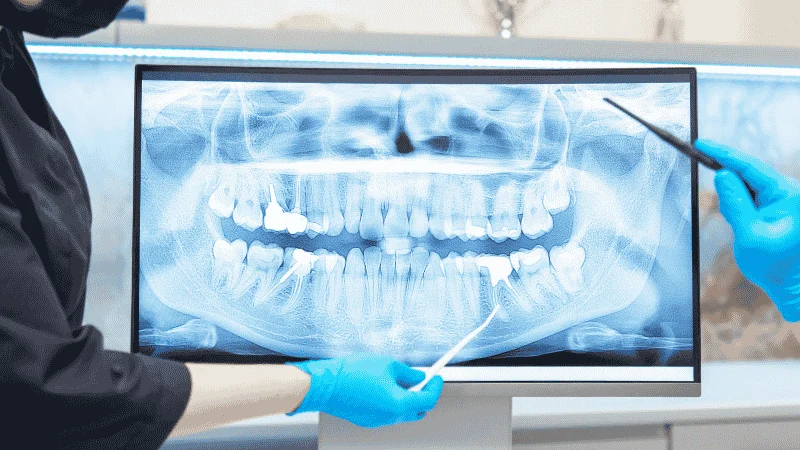
Your dentist or oral surgeon will start by examining the failed implant and surrounding area. They’ll take X-rays or CT scans to check the bone structure and determine why the implant failed.
The assessment looks at several key factors. These include how much bone remains, whether infection is present, and your overall health status. Your treatment plan depends on these findings and will determine the best approach for your replacement.
Key evaluation points include:
- Amount and quality of remaining bone
- Signs of infection or inflammation
- Condition of surrounding teeth and gums
- Your medical history and healing ability
This planning phase is important because it sets realistic expectations for your timeline and success rate.
Implant Removal and Site Preparation
The first surgical step involves carefully removing the failed implant to minimize damage to surrounding bone and tissue. Your oral surgeon will numb the area completely before starting the procedure.
The removal technique depends on why the implant failed. If the implant is loose, removal is usually straightforward. If it’s still integrated into bone, more careful extraction is needed.
After implant removal, your surgeon will clean the site thoroughly. They’ll remove any infected tissue or damaged bone to create a healthy foundation. The site must be completely free of infection before proceeding with replacement.
Bone Grafting for Extensive Bone Loss
Many failed implants cause bone loss in the jaw that needs correction. If you have extensive bone loss, your surgeon will place bone graft material into the empty socket to rebuild the area.
The bone graft acts as a scaffold for new bone to grow. Your body gradually replaces the graft material with your own bone over several months. This creates a strong foundation for the new implant.
Common bone graft materials:
- Your own bone from another area
- Donated human bone tissue
- Animal-derived bone substitutes
- Synthetic bone materials
The healing time for bone grafting typically ranges from three to six months. Your experienced oral surgeon will monitor the healing process to ensure adequate bone formation before implant placement.
New Implant Placement and Healing
Once the site has healed completely, your surgeon will place the new implant. The timing varies based on your individual healing and whether bone grafting was needed.
Immediate replacement is possible when adequate bone remains, no infection exists, and you’re in good health. Otherwise, you’ll wait several months after implant removal and bone grafting.
The new implant placement follows standard surgical procedures. Your surgeon drills a precise hole in the bone and screws the implant into place.
The implant then needs time to integrate with your jawbone through a process called osseointegration.
This healing period usually takes three to six months. During this time, the bone grows around the implant to secure it firmly.
Your dentist will place a temporary crown or leave the area to heal undisturbed, depending on the location and your specific needs.
Success Rates, Prevention, and Long-Term Care
Replacement implants typically achieve a 96.7% survival rate at one year, though this is lower than primary implants.
Your long-term success depends on multiple factors including your oral hygiene habits, overall health conditions, and how well you follow care guidelines after the procedure.

Factors Affecting Long-Term Implant Success
Your replacement implant’s survival depends on several key factors. Studies show that replacement implants have survival rates between 69% to 91%, which is lower than first-time implants.
The amount and quality of bone at the failed implant site plays a big role. If your first implant failed due to bone loss, you may need bone grafting before getting a replacement. This adds healing time but improves your chances of success.
Your health conditions matter too. Conditions like diabetes or habits like smoking can reduce blood flow and slow healing. These factors increase your risk of implant failure and peri-implantitis, which is inflammation around the implant.
The timing of your replacement also affects outcomes. Research shows that immediate implant placement can work well if you have enough bone, though some cases benefit from waiting several months for the site to heal first.
Oral Hygiene and Maintenance
Your daily cleaning routine is critical for preventing implant complications. You need to brush twice daily and floss around your implant just like natural teeth.
Use a soft-bristled toothbrush and non-abrasive toothpaste. Pay special attention to where the implant crown meets your gum line, as bacteria can collect there and cause problems.
Regular dental visits are essential. Your dentist should check your implant every six months and take x-rays to monitor bone levels. They can spot early signs of peri-implantitis before it becomes serious.
Professional cleanings remove buildup that regular brushing misses. Your hygienist may use special tools designed for implants to avoid scratching the surface.
Preventing Implant Complications
You can take specific steps to protect your replacement implant. Avoid smoking, as it significantly increases failure risk by reducing blood flow to your gums and bone.
Watch for warning signs of problems:
- Bleeding or swollen gums around the implant
- Pain or discomfort when chewing
- Loosening of the implant or crown
- Bad taste or smell near the implant site
Address these symptoms quickly with your dentist. Early treatment of peri-implantitis gives you the best chance of saving your implant.
Protect your implant from excessive force. If you grind your teeth at night, wear a night guard. Avoid chewing ice or hard foods that could damage the crown or put stress on the implant.
Control health conditions like diabetes that affect healing. Keep your blood sugar levels stable and tell your dentist about any medications you take, as some can interfere with bone healing around your implant.
Frequently Asked Questions
Many people have questions about what happens when an implant starts to fail and what options exist for fixing the problem.
Understanding the warning signs, causes, and replacement procedures can help you make informed decisions about your dental care.
How can you tell if a dental implant is failing, and what early warning signs should you watch for?
Your body usually gives you clear signals when something is wrong with your implant. Persistent discomfort around the implant site is one of the first signs that shouldn’t be ignored.
You might notice that your implant feels loose or shifts slightly when you touch it. This movement means the implant isn’t properly bonded to your jawbone anymore.
Swelling, redness, or bleeding around the gums near your implant can indicate infection. You should also watch for pus or a bad taste in your mouth coming from the implant area.
Pain when you bite down or chew food is another warning sign that needs attention from your dentist.
What are the most common reasons a dental implant can fail, even many years after placement?
Infection is one of the leading causes of implant failure, even years after the initial placement. Poor oral hygiene allows bacteria to build up around the implant, which can lead to a condition similar to gum disease.
Your jawbone needs to stay healthy and strong to support the implant. If you experience bone loss over time, the implant can lose its foundation and start to fail.
This bone loss can happen due to smoking, certain medical conditions, or natural changes as you age.
Sometimes the implant never fully integrates with your jawbone in the first place. Smoking and chewing tobacco greatly reduce implant lifespan and contribute to implant failure.
Medical conditions like uncontrolled diabetes can also affect how well your body heals around the implant.
What treatment options are available if an implant has failed?
In many cases, early treatment can control infection and stabilize the implant without needing removal. Your dentist might prescribe antibiotics and deep cleaning procedures if the problem is caught early enough.
If the implant itself is still stable but the crown on top is damaged, you might only need to replace the visible part. This is much simpler than replacing the entire implant.
When the implant has completely failed, removing it and placing a new one becomes necessary. The treatment plan depends on how much bone and gum tissue remain healthy around the failed implant.
Does removing a failed dental implant hurt, and what is the recovery like?
Your dentist will numb the area completely before removing the implant, so you shouldn’t feel pain during the procedure. You’ll likely feel pressure and some pushing sensations, but not sharp pain.
After the numbing wears off, you can expect some soreness and mild discomfort for a few days. Most people manage this pain easily with over-the-counter medications or prescriptions from their dentist.
The removal site needs time to heal, and your dentist will give you specific instructions about keeping the area clean.
Swelling and minor bleeding are normal for the first day or two. You should stick to soft foods and avoid the extraction site while eating during the initial healing period.
How soon after implant removal can a new implant be placed?
Sometimes your dentist can place a new implant on the same day if your bone quality is good and no bone graft is needed. This approach works best when the removal was straightforward and there’s no active infection.
If you need a bone graft to rebuild lost bone, you’ll have to wait several months for healing. The bone graft needs time to integrate with your existing bone before it can support a new implant.
This waiting period typically ranges from three to six months.
Your individual healing timeline depends on factors like your overall health, whether you smoke, and how much bone was lost. Your dentist will monitor the healing process and let you know when the site is ready for a new implant.
Who is typically responsible when an implant fails, and is a refund or warranty ever possible?
Implant failure doesn’t automatically mean someone made a mistake. Many failures happen due to factors beyond anyone’s control, like how your body responds to the implant or changes in your health over time.
Some dental practices offer warranties or guarantees on their implant work. These policies vary widely between providers, so you should ask about coverage before getting your initial implant.
A warranty might cover the cost of replacing a failed implant within a certain timeframe.
If the failure resulted from poor technique or a defective implant, you may have grounds for a refund or free replacement. You’ll need to review your treatment agreement and discuss the situation with your dentist.
Failures caused by poor oral hygiene, smoking, or not following aftercare instructions typically aren’t covered by warranties.