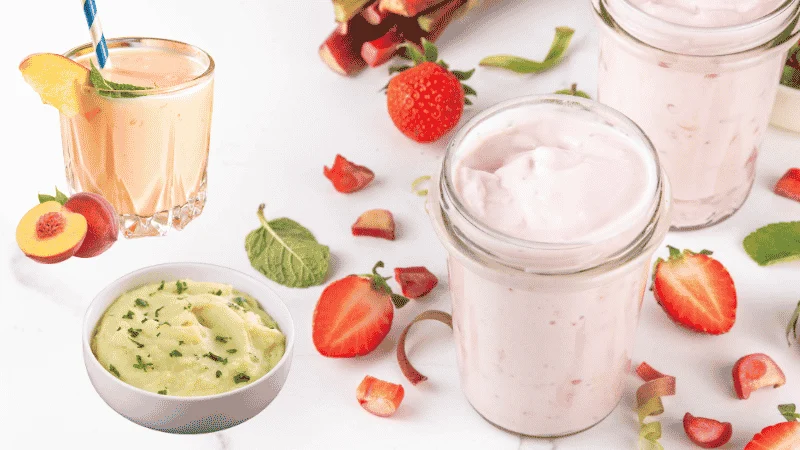
Getting dental implants is a big step toward a healthier smile, but your recovery depends heavily on what you eat in the days and weeks that follow.
After dental implant surgery, you should stick to soft, lukewarm foods like scrambled eggs, mashed potatoes, yogurt, smoothies, and soups for at least the first 7 to 14 days to protect the surgical site and support healing.
The right diet keeps pressure off your new implants while giving your body the nutrients it needs to heal quickly.
Choosing the wrong foods can lead to pain, infection, or even implant failure. Hard, crunchy, sticky, or spicy foods can irritate your gums, damage stitches, or disturb the blood clot that forms around your implant.
That’s why knowing what to eat after dental implant surgery is just as important as the procedure itself.
This guide walks you through the diet after dental implant surgery, what to avoid, and practical tips to make your healing process as smooth as possible.
You’ll learn how to create a meal plan that’s both gentle on your mouth and packed with nutrition.
Key Takeaways
- Eat soft, nutrient-rich foods for 7 to 14 days after surgery to protect your implants and speed up healing
- Avoid hard, crunchy, sticky, spicy, and very hot or cold foods that can irritate or damage the surgical site
- Gradually reintroduce firmer textures based on your dentist’s guidance and monitor for any discomfort
Choosing the Right Foods After Dental Implant Surgery
Your body needs the right fuel to heal properly after surgery. The texture, temperature, and nutritional content of your foods directly affect how quickly your implant site recovers.
Importance of Nutrition for Healing
Your diet after dental implant plays a major role in how well your body heals. Protein helps rebuild tissue around the surgical site. Vitamins A and C support your immune system and reduce inflammation.
Calcium and vitamin D strengthen the bone that fuses with your implant. Without enough nutrients, your healing takes longer and you face a higher risk of complications.
Focus on foods rich in protein like yogurt, eggs, and protein shakes. Add foods with zinc such as beans and fortified cereals. These nutrients speed up tissue repair and help prevent infection.
Staying hydrated matters just as much. Water helps flush out bacteria and keeps your mouth clean. Aim for at least eight glasses daily unless your dentist advises otherwise.
Ideal Food Textures and Temperatures
The foods to eat after dental implant should be soft enough to swallow without chewing. Start with liquids like broth, smoothies, and blended soups for the first three days.
Avoid anything that requires biting or heavy chewing. Hard or crunchy foods can disturb the surgical site and damage healing tissue.
Temperature matters more than you might think. Hot foods can increase swelling and cause discomfort. Stick to lukewarm or cool foods during the first week.
Ideal textures include:
- Mashed potatoes
- Scrambled eggs
- Oatmeal
- Applesauce
- Greek yogurt
- Pudding
Skip sticky foods like caramel or taffy. These can pull on stitches or get stuck in the surgical area.
When to Reintroduce Regular Foods
Most people can start adding firmer foods around two weeks after surgery. This timeline varies based on your healing speed and the type of implant you received.
Listen to your body during this transition. If something causes pain or pressure, go back to softer options for a few more days.
Start with tender cooked vegetables and soft pasta. Cut everything into small pieces. Chew slowly on the side opposite your implant.
Full healing takes three to six months as your bone fuses with the implant. You can eat normally during this time, but avoid extremely hard foods like ice or hard candy. These can damage your implant even after initial healing completes.
Talk to your dentist before eating anything that feels uncertain. They know your specific case and can give you personalized guidance on when to safely expand your diet.
Soft and Nutritious Food Options for Recovery
Your body needs the right fuel to heal properly after dental implant surgery. Eating soft foods helps protect the surgical site while providing essential nutrients for tissue repair and bone integration.
Recommended Soft Foods
The best foods to eat after dental implants are those that require little to no chewing and won’t irritate your healing gums.
Start with mashed potatoes, which are easy to swallow and can be enriched with butter or cream for extra calories. Scrambled eggs offer a gentle texture that slides down easily without putting pressure on the implant site.
Cooked oatmeal makes an excellent breakfast choice because it’s naturally soft and filling. Well-cooked pasta and rice provide carbohydrates for energy without requiring much jaw movement.
Steamed vegetables like carrots, squash, and zucchini become tender enough to eat when cooked thoroughly.
Yogurt and cottage cheese are smooth options that require no chewing at all. Applesauce and mashed bananas give you fruit nutrition without any hard pieces. Blended soups can deliver vegetables, proteins, and warmth in one easy meal.
Protein-Rich Choices
Protein is essential for healing because it helps rebuild tissue and supports the bone integration process. Your diet after dental implant should include plenty of protein sources that won’t stress the surgical area.
Scrambled eggs are one of the easiest protein options during early recovery. Greek yogurt contains more protein than regular yogurt and provides beneficial probiotics.
Protein shakes offer a convenient way to meet your protein needs without any chewing required.
Soft fish like salmon or tilapia flakes apart easily and provides omega-3 fatty acids that help reduce inflammation. Tofu has a silky texture that requires minimal chewing.
Refried beans or well-mashed lentils give you plant-based protein in a soft form. Ground meat cooked until very tender can work if you cut it into tiny pieces.
Hydration and Safe Beverage Options
Staying hydrated helps your body flush out toxins and keeps the surgical site clean. Water should be your main beverage throughout recovery. Room temperature or cool water is best because extreme temperatures can cause discomfort.
Avoid using straws because the suction can disturb blood clots and delay healing. Sip drinks directly from a cup instead.
Herbal teas without caffeine provide hydration with added benefits like chamomile for relaxation. Bone broth delivers hydration along with minerals that support bone health.
Skip acidic drinks like orange juice or lemonade because they can irritate sensitive tissue. Hold off on coffee for the first few days since caffeine can interfere with healing. Avoid alcohol completely during the initial recovery period.
Foods and Habits to Avoid During Recovery
Protecting your dental implant site means knowing which foods can cause damage and which habits slow down healing. The wrong choices during your diet after dental implant can lead to infection, implant failure, or extended recovery time.

Hard and Crunchy Foods to Stay Away From
Hard and crunchy foods put too much pressure on your healing implant site. These foods can dislodge the blood clot, damage the surgical area, or even shift your implant before it fuses with your jawbone.
You should avoid these foods during recovery:
- Nuts and seeds – almonds, peanuts, sunflower seeds
- Hard candies and ice
- Chips and crackers
- Raw vegetables – carrots, celery, broccoli
- Crusty bread and toast
- Popcorn
- Granola and hard cereals
Even foods that seem harmless can cause problems. Biting into an apple or chomping on pretzels creates force that your implant site cannot handle during the healing phase.
Wait until your dentist confirms your implant has fully integrated before eating these items.
Avoiding Acidic, Hot, and Sticky Items
Acidic foods irritate your surgical site and slow down tissue repair. Hot foods and drinks can cause pain and increase swelling in the first few days after surgery.
Acidic foods to skip:
- Citrus fruits and juices
- Tomatoes and tomato sauce
- Vinegar-based dressings
- Soda and carbonated drinks
Temperature concerns: Keep all foods and drinks lukewarm for at least 48 hours. Hot coffee, tea, and soup can burn sensitive tissue and increase blood flow to the area, leading to more swelling.
Sticky foods like caramel, taffy, and gum can pull at your stitches or get trapped around the implant site. These foods are hard to clean away and create a breeding ground for bacteria that can cause infection.
Habits That Can Delay Healing
Using a straw creates suction in your mouth that can dislodge the blood clot and cause a painful condition called dry socket. Skip straws for at least one week after surgery.
Smoking restricts blood flow to your gums and dramatically increases your risk of implant failure. The chemicals in cigarettes prevent proper healing and weaken bone integration.
If you smoke, you need to stop for at least two weeks before and after surgery.
Drinking alcohol thins your blood and can interfere with pain medications. It also dehydrates you, which slows down healing. Avoid alcohol for at least 72 hours after your procedure, or longer if you’re taking antibiotics.
Chewing on the implant side puts direct pressure on the surgical site. Always chew on the opposite side of your mouth until your dentist gives you clearance to use both sides normally.
Meal Planning and Recovery Timeline
Your recovery requires careful meal planning that adapts as your mouth heals. The first few days demand strict liquid diets, but you’ll gradually work your way back to eating the foods you love.
Day-by-Day Eating Plan
The first 24 to 48 hours after surgery call for a strict liquid diet. You can drink water, milk, protein shakes, and lukewarm broths. Add soft options like applesauce, yogurt, pudding, and smooth mashed potatoes once you feel ready.
Days three through seven allow you to expand your menu. Scrambled eggs, oatmeal, cottage cheese, and soft pasta become safe choices. You can blend smoothies with protein powder and enjoy pureed soups that provide more nutrients.
Week Two Sample Menu:
- Breakfast: Scrambled eggs with mashed avocado
- Lunch: Cream of chicken soup
- Dinner: Mashed sweet potatoes with ground turkey
- Snacks: Greek yogurt, banana smoothies
Weeks two through six let you add semi-solid options. You can eat ground beef, shredded chicken, boneless fish, and steamed vegetables. Soft fruits like peaches and pears give you natural sweetness without risk.
Transitioning from Liquid to Soft Foods
Listen to your body when moving between diet stages. Pain, swelling, or discomfort means you should stick with softer options for a few more days.
Start by testing one new food at a time. Try a spoonful of scrambled eggs before eating a full serving. This approach helps you identify what works and what causes problems.
Chew on the opposite side of your mouth from your implant site during the first few weeks.
Temperature matters during this transition. Keep everything lukewarm rather than hot or cold. Extreme temperatures can irritate your healing tissues and cause unnecessary pain.
Returning to a Normal Diet Safely
Most people can return to a normal diet after three to six months once the implant fuses with your jawbone. Your dentist will confirm when your implant has fully integrated before you resume regular eating.
Start reintroducing firmer foods around the two-month mark. Cut apples into small pieces, toast bread lightly, and try tender cuts of meat. Watch for any pain or sensitivity that signals you’re moving too fast.
Even after full recovery, avoid chewing ice, hard candies, or extremely crunchy foods that could damage your implant. These habits can harm natural teeth and dental work alike.
Helpful Tips for a Smooth Recovery
Your body will guide you through healing if you pay attention to its signals, and keeping the implant area clean helps prevent complications that could slow your progress.
Listening to Your Body
Your mouth will tell you when something doesn’t feel right. If a food causes discomfort or pressure at the implant site, stop eating it and return to softer options. Pain is your body’s way of protecting the healing tissue.
Some swelling and tenderness are normal in the first few days. However, if you notice increased pain, persistent bleeding, or swelling that gets worse after day three, contact your dentist. These signs might indicate a problem that needs attention.
Don’t rush the healing process. Even if you feel better after a week, your jawbone is still integrating with the implant beneath the surface.
This process takes three to six months to complete. Eating foods that are too hard too soon can disturb this integration and affect your implant’s long-term success.
Oral Hygiene and Aftercare Guidance

Keeping your mouth clean after surgery protects against infection and supports healing. Gently rinse with warm salt water starting 24 hours after surgery. Mix half a teaspoon of salt in eight ounces of warm water and swish gently without vigorous rinsing.
Brush your teeth carefully, avoiding the surgical area for the first few days. Use a soft-bristled toothbrush and be extra gentle around the implant site. Your dentist may recommend a special mouth rinse to use during recovery.
Avoid smoking and vaping completely during healing. These habits reduce blood flow to the surgical site and significantly increase the risk of implant failure and complications.
Stay hydrated by drinking plenty of water throughout the day. Proper hydration supports your body’s natural healing processes and helps flush out bacteria.
Frequently Asked Questions
Recovery after dental implant surgery raises many practical questions about timing, food choices, and how to protect your healing mouth while staying nourished.
The answers below address common concerns about specific foods like rice and yogurt, plus how long different diet phases typically last.
What are the best soft foods to have in the first few days after implant surgery?
In the first 24 to 72 hours after your procedure, you should focus on foods that require no chewing at all. Broths, smoothies, protein shakes, and blended soups work well during this early phase.
Lukewarm or cool liquids are safer than hot foods. Hot temperatures can increase swelling and discomfort at the surgical site.
Other good options include applesauce, mashed bananas, and plain yogurt. These foods provide nutrition without putting any pressure on your new implant.
Avoid using straws during this time. The suction can disturb the healing area and cause problems.
How long should I stay on a no-chew diet after getting dental implants?
Most patients need to follow a strict no-chew diet for the first three days after surgery. During this period, stick to liquids and foods you can swallow without any chewing motion.
After day three, you can usually begin adding soft foods that require minimal chewing. This includes items like scrambled eggs, mashed potatoes, and well-cooked pasta.
The exact timeline depends on your healing progress. Some procedures, like full-arch replacements, may require you to stay on softer textures longer than a single implant would.
Your dentist will give you specific guidance based on your procedure type. Always follow their recommendations if they differ from general timelines.
When can I start eating normally again after dental implant surgery?
You can typically begin reintroducing firmer foods around the two-week mark. This doesn’t mean you should immediately return to crunchy or hard foods, though.
Start by cutting regular foods into very small pieces. Chew on the opposite side of your mouth from the implant if your dentist advises it.
The bone integration process called osseointegration takes three to six months to complete. You don’t need to eat only soft foods for that entire time, but the early weeks are critical for setting a good foundation.
Listen to your body throughout recovery. If something feels uncomfortable or causes pressure, return to softer options for a few more days.
Can I eat rice after dental implant surgery, and if so, when?
You can usually add soft, well-cooked rice to your diet around days four through fourteen after surgery. Make sure the rice is tender and moist, not firm or sticky.
White rice works better than brown rice during early recovery. Brown rice has a firmer texture that requires more chewing effort.
Cook your rice a bit longer than usual so it becomes very soft. Adding a little extra water or broth helps achieve this softer consistency.
Avoid rice that clumps together or has a sticky texture. These types can put unwanted pressure on your healing gums.
Is it okay to have ice cream after dental implant surgery?
Yes, ice cream can actually be a good choice in the first few days after your procedure. The cold temperature may help reduce swelling and provide relief.
Choose plain or simple flavors without nuts, candy pieces, or crunchy mix-ins. These additions can irritate your surgical site or get stuck in sensitive areas.
Soft-serve ice cream works especially well because it melts easily. You won’t need to apply any pressure while eating it.
Watch the sugar content if possible. High sugar levels can promote bacterial growth around your implant, which may slow healing.
Can I eat yogurt after dental implant surgery, and what kind is best?
Yogurt is one of the safest foods you can eat right after dental implant surgery. It requires no chewing and provides protein to support healing.
Choose plain yogurt without added sugars or acidic fruits mixed in. Greek yogurt offers extra protein, which helps your body repair tissue.
Avoid yogurt with granola, nuts, or fruit chunks during the first two weeks. These ingredients require chewing and could disturb your surgical site.
Serve your yogurt cool or at room temperature, not frozen. Extremely cold foods can sometimes cause sensitivity, though most people tolerate cool yogurt well.