Switching from dentures to dental implants is a huge step toward a more comfortable, stable, and confident smile. Many patients choose dental implants after years of dealing with loose dentures, sore gums, or difficulty eating and speaking. Implant treatment offers long-term benefits, but overcoming the transition period requires planning, patience, and the right guidance.
At Dr Implant, we provide expert dental implants and smile restorations in the Delray Beach area, and we think it’s important that people are educated in their oral health. If you are switching from dentures to implants, these five tips can help you understand what to expect and how to move through the process with confidence.

1. Set Realistic Expectations From the Start
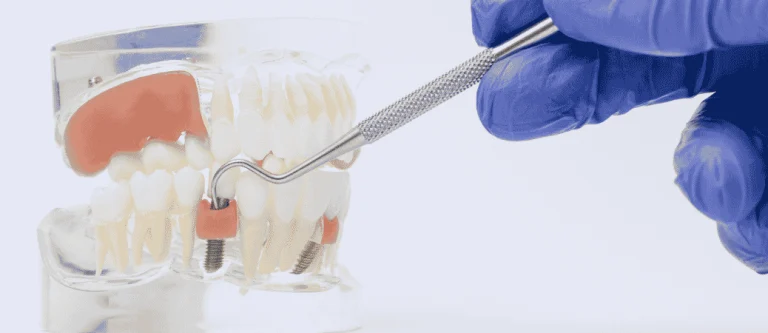
Dental implants change how your smile looks and functions, but the transition does not happen overnight. Dentures sit on top of the gums, while implants anchor directly into the jawbone. This difference means your mouth needs time to adjust.
During the early stages, patients often notice changes in how their bite feels or how their mouth responds to pressure. This adjustment period is normal. Implants are designed to feel stable and natural, but your muscles and jaw need time to adapt.
Understanding that healing and adaptation happen in phases helps reduce frustration and supports better long-term results.
2. Get a Thorough Bone Evaluation
Many denture wearers experience bone loss over time because dentures do not stimulate the jawbone. Dental implants rely on healthy bone for support, which makes a bone evaluation a critical step when switching from dentures to implants.
Advanced imaging such as 3D scans allows dentists to assess bone volume, density, and structure. If bone loss is present, treatment options such as bone grafting or specialized implant placement techniques may be recommended.
A proper evaluation ensures implants are placed safely and securely, which protects both function and longevity.
3. Understand the Healing Timeline
Healing looks different for implants than it does for dentures. After implant placement, the jawbone gradually bonds to the implant surface through a process called osseointegration. This process creates a strong foundation that allows implants to function like natural tooth roots.
While implants heal, patients may wear temporary teeth that allow them to eat, speak, and smile comfortably. These temporary restorations protect the implants during healing and help patients transition smoothly away from removable dentures.
Healing timelines vary based on overall health, bone quality, and treatment complexity. Knowing that this phase is part of long-term success helps patients stay patient and committed.
4. Be Prepared for Temporary Teeth
Temporary teeth have an important role when switching from dentures to implants. They provide function and aesthetic while the implants heal, but they are not designed to handle the same pressure as the final restoration.
Patients should follow dietary guidelines outlined by their dentist carefully during this period. Soft foods, controlled chewing, and avoiding hard or sticky items help protect the implants during early healing. Your dentist will explain how to clean and care for temporary teeth to prevent irritation and inflammation.
Temporary teeth allow you to live your life confidently during treatment, and by protecting them you protect the final outcome.
5. Follow Post-Op Care Instructions Closely
Post-operative care directly impacts your success when switching from dentures to implants. While implant surgery is routine, it still requires attention to healing instructions.
Patients should expect mild swelling or tenderness in the days following surgery. Rest, proper medication use, and cold compresses help manage discomfort. Keeping the mouth clean without disturbing surgical areas reduces infection risk.
Long-term implant success depends on consistent oral hygiene and regular dental visits. Implants do not decay, but the surrounding gums and bone still require care. Brushing, flossing, and professional cleanings protect your investment and support healthy tissue.
Why Do Patients Choose Implants Over Dentures?
Dental implants offer stability that dentures just don’t match. They stay in place while eating and conversating. They improve chewing efficiency. And they also support jawbone health. Many patients also report improved confidence and comfort after completing the transition.
For patients who have struggled with slipping dentures, sore spots, or adhesives, implants offer a more secure and predictable solution.
Take the Next Step Toward a More Stable Smile
Switching from dentures to implants can be a difficult decision, as you may have grown comfortable with the way things are with your dentures. But most people who make the switch find that the added stability, comfort, and confidence outweigh their apprehensions. If you are considering making the switch, a consultation can help you understand your options, evaluate your bone health, and plan a smooth transition.
With nearly two decades of experience and thousands of successful implant placements, Dr. Implant provides personalized care and advanced treatment options for patients in the Delray Beach area.
Schedule a consultation today and take the next step toward a secure, natural-looking smile.