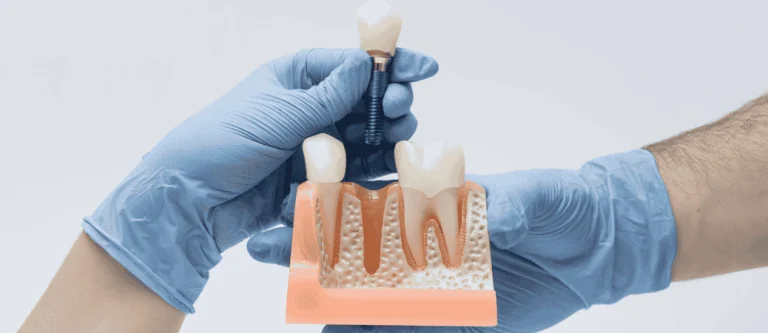
Dental implants work well for most people, but sometimes problems can happen.
When an implant starts to fail, catching it early makes a big difference in what can be done to fix it. Your dentist has specific ways to check if your implant is having trouble.
Dentists diagnose a failing dental implant through clinical examination and imaging tests, checking for signs like gum inflammation, implant movement, bone loss, and infection around the implant site.
They look at how your gums appear, test if the implant moves when touched, and take X-rays or CT scans to see what’s happening under the surface. These steps help them figure out why the implant isn’t working right.
Knowing what your dentist looks for in a failing dental implant diagnosis can help you understand the process and spot warning signs yourself.
The sooner dental implant failure gets diagnosed, the more options you have for treatment. Understanding how the diagnosis works gives you confidence in your dental care.
Key Takeaways
- Dentists use physical exams and imaging tests to find out if a dental implant is failing
- Early signs include gum swelling, pain, looseness, and trouble chewing around the implant
- Treatment options range from cleaning infections to replacing the implant depending on the cause
Table of Content
- Recognizing the Warning Signs of Implant Failure
- Causes and Risk Factors for Implant Failure
- How Dentists Diagnose a Failing Implant
- Treatment and Management Options for Failing Implants
- Strategies to Prevent Dental Implant Failure
- Frequently Asked Questions
Recognizing the Warning Signs of Implant Failure
Knowing what symptoms indicate a failing dental implant can help you seek treatment before minor issues become serious problems. Pain, swelling, and movement around your implant are key indicators that something might be wrong.
Common Symptoms and Early Red Flags
You might notice several signs of dental implant failure within the first few weeks after your procedure. Some discomfort is normal initially, but pain lasting beyond 10 days could signal early dental implant failure.
Watch for these early warning signs:
- Persistent pain or discomfort that doesn’t improve with time
- Swelling that continues beyond 72 hours after surgery
- Redness or bleeding around the implant site
- Difficulty chewing or speaking comfortably
- Bad breath or an unpleasant taste in your mouth
Gum inflammation around your implant can indicate peri-implant mucositis, which affects only the soft tissue. This condition causes tenderness and bleeding when you brush your teeth. If you catch it early, it’s usually treatable and reversible.
Late-Stage Signs to Watch For
As time passes, different symptoms may emerge that indicate more serious problems with your implant. Implant mobility is one of the most obvious signs that your dental implant has failed to integrate properly with your jawbone.
Late-stage symptoms include:
- Your implant feeling loose or moving when touched
- Gum recession exposing the metal abutment beneath
- Discharge or pus coming from around the implant
- Gaps appearing between your implant and surrounding teeth
- Severe pain that develops months or years after placement
Peri-implantitis is a serious implant infection that affects both the gums and underlying bone structure. This condition significantly destabilizes your implant and requires surgical intervention to correct.
Differences Between Early and Late Implant Failure
Early dental implant failure typically happens during the first few months after surgery. These failures usually stem from problems with osseointegration, which is when your bone grows around the implant to secure it.
Issues during the surgical procedure, poor bone quality, or infection at the implant site commonly cause early failures.
Late dental implant failure occurs months or years after successful initial healing. These problems often result from teeth grinding, poor oral hygiene, or underlying health conditions like uncontrolled diabetes or osteoporosis.
The timing matters because it affects your treatment options. Early failures may require waiting several months before attempting a new implant. Late failures might need bone grafting or addressing health issues before replacement can occur.
Causes and Risk Factors for Implant Failure
Dental implants can fail due to infections around the implant site, problems during surgery, or health conditions that affect healing
Your lifestyle choices and how well you care for your implants also play a major role in whether they succeed or fail.
Common Causes of Failure

The timing of when your implant fails helps dentists understand what went wrong. Early implant failure happens within the first few months after surgery, usually because the implant didn’t bond properly with your jawbone.
This can occur if you experienced surgical trauma during placement or if your bone quality wasn’t strong enough to support the implant.
Late implant failure develops after your implant has been working fine for months or years. Occlusal overload and peri-implantitis are associated with late failures, meaning too much biting force or infection caused the problem.
Your implant might also fail if you grind your teeth at night, which puts extra stress on the implant.
Poor surgical technique can lead to implant complications right away. If your dentist places the implant at the wrong angle or damages surrounding tissue, your body may reject it.
Role of Peri-Implant Diseases
Peri-implant diseases are infections that attack the tissue and bone around your implant. These conditions work similarly to gum disease but affect dental implants instead of natural teeth.
Peri-implant mucositis is the milder form that only affects the soft gum tissue around your implant. You might notice swelling, redness, or bleeding when you brush.
The good news is that this condition can be reversed with proper cleaning and treatment before it gets worse.
Peri-implantitis is more serious because the infection spreads to the bone supporting your implant. Infection at the implant site can cause the implant to feel loose and create pain when you chew.
The bone loss from peri-implantitis can lead to complete implant failure if you don’t get treatment quickly.
Your history of periodontal disease increases your risk for both conditions. If you had gum disease before getting implants, bacteria can more easily attack your new implants.
Health and Lifestyle Risk Factors
Several risk factors increase your chances of implant failure:
- Smoking – Observational studies show smoking is associated with increased implant failure rates
- Uncontrolled diabetes – High blood sugar slows healing and makes infections more likely
- Poor oral hygiene – Bacteria buildup leads to peri-implant diseases
- Teeth grinding – Excessive force damages the implant and surrounding bone
- Insufficient bone density – Weak bone can’t hold the implant securely
Systemic disorders and certain medications impact dental implant survival rates, making it harder for your body to heal properly. If you’re taking medications that affect bone health or immune function, your dentist needs to know before placing implants.
Osteoporosis, smoking, and head and neck radiotherapy cause a higher risk of dental implant failure because they all interfere with osseointegration. This is the process where your bone grows around and fuses with the implant.

How Dentists Diagnose a Failing Implant
Dentists use a structured approach that combines hands-on examination with advanced imaging to identify problems with dental implants.
They check for physical signs like movement or swelling and use X-rays to see what’s happening beneath your gums.

Clinical Examination Methods
Your dentist starts by checking for gum inflammation, tenderness, and mobility around the implant. They’ll gently probe the area to see if your implant moves or feels loose. Implant mobility is a clear sign something is wrong.
During the exam, your dentist looks for peri-implantitis, which is an infection around the implant. Signs include red or swollen gums, bleeding when touched, and pus near the implant site.
They’ll measure the depth of any pockets that formed between your gum and the implant.
Your dentist also asks about symptoms you’ve noticed. Pain when chewing, discomfort around the implant, or a loose feeling are all common symptoms of implant failure.
They’ll check if your bite feels different or if the crown appears misaligned.
Diagnostic Imaging and Tests
X-rays and CT scans help your dentist see bone loss and other problems they can’t spot during a visual exam. These images show how much bone surrounds your implant and whether the implant has shifted position.
Diagnostic tests include X-rays and CT scans that reveal the extent of bone deterioration. Your dentist compares new images to older ones taken right after your implant was placed.
This comparison shows if bone loss has occurred over time.
Advanced imaging helps determine if you’ll need bone grafting before getting a replacement implant. These scans also check for infections that spread into the jawbone.
Some dentists use special tests to measure how stable your implant is by checking its resistance to movement.
Assessing Osseointegration and Bone Loss
Osseointegration is the process where your jawbone fuses to the implant. Your dentist checks if this fusion happened correctly or if it failed. Poor osseointegration means the implant never properly attached to your bone.
Your dentist measures bone loss around the implant to determine severity. Significant bone loss may require bone regeneration treatments before placing a new implant.
They look at bone density and volume to see if the area can support another implant.
Early detection helps your dentist suggest suitable treatment options and improves implant success rates for future procedures.
If there’s minimal tissue loss, you might be a candidate for re-implantation after the area heals. Your dentist creates a treatment plan based on how much bone remains and whether infection is present.
Treatment and Management Options for Failing Implants
When your dentist identifies a failing implant, the treatment approach depends on how far the problem has progressed and what caused it.
Early intervention often involves non-surgical methods, while more advanced cases may require removal and replacement with bone grafting.
Non-Surgical Interventions
If your dentist catches the problem early, non-surgical treatments may save your implant. These options work best when you have minor inflammation or infection around the implant.
Your dentist will start with mechanical debridement, which means cleaning the implant surface to remove bacteria and plaque buildup.
They use special tools that won’t scratch or damage the titanium surface. This procedure is similar to a deep cleaning for natural teeth.
Antimicrobial therapy often accompanies the cleaning. Your dentist may prescribe antibiotics to fight infection or use antiseptic rinses like chlorhexidine. Sometimes they apply antimicrobial agents directly to the affected area during treatment.
Common non-surgical treatments include:
- Professional cleaning and debridement
- Antibiotic medications (oral or topical)
- Antimicrobial mouth rinses
- Laser therapy to reduce bacteria
- Adjusting the bite on your crown or restoration
These treatments for peri-implantitis work when the bone loss hasn’t progressed too far. Your dentist will monitor your progress closely to make sure the implant stabilizes.
Surgical Solutions and Implant Removal
When non-surgical methods don’t work or the damage is too severe, surgical intervention becomes necessary. Your dentist will evaluate whether the implant can be saved with surgery or if removal is the best option.
Surgical debridement goes deeper than non-surgical cleaning. Your dentist makes an incision in your gums to access the infected area around the implant.
They clean the implant surface thoroughly and remove diseased tissue. This procedure may include smoothing rough areas on the implant that collect bacteria.
Implant removal is required when the implant has lost too much bone support or shows signs of mobility. Your dentist uses specialized instruments to remove the failed implant carefully. The goal is to preserve as much bone as possible for future treatment.
Signs you may need implant removal:
- The implant moves when touched
- Severe bone loss around the implant
- Persistent infection despite treatment
- Fracture of the implant or surrounding bone
After removal, your dentist cleans the socket and may place bone grafting material immediately. This helps preserve the site for future implant placement.
When to Consider Replacement or Bone Grafting
After removing a failed implant, you’ll need time to heal before considering replacement. Bone grafting often becomes necessary because the failure likely caused bone loss in the area.
Guided bone regeneration helps rebuild the bone structure you lost. Your dentist places bone graft material into the socket where the implant was removed. They may use your own bone, donor bone, or synthetic materials.
A special membrane covers the graft to protect it while new bone grows.
The healing period typically takes three to six months. Your dentist monitors the site with X-rays to confirm bone regeneration is progressing. Once you have enough healthy bone, you can consider a new implant.
Factors affecting replacement timing:
- Amount of bone loss that occurred
- Cause of the original implant failure
- Your overall health and healing ability
- Quality of bone at the site
Some patients can receive immediate implant placement if the bone damage is minimal. However, most cases benefit from waiting until complete healing occurs.
Your dentist will create a personalized timeline based on your specific situation and the success of your bone graft.
Strategies to Prevent Dental Implant Failure
Taking the right steps can help prevent dental implant failure and keep your replacement teeth healthy for many years.
Good daily care, managing your health conditions, and staying connected with your dental team all work together to protect your investment.
Effective Oral Care and Maintenance

Your daily cleaning routine plays a big role in preventing problems with your implants. You need to brush twice a day and floss around your implants just like you would with natural teeth.
Special tools can make cleaning easier. Soft-bristle toothbrushes won’t scratch the implant surface. Water flossers help remove food particles from hard-to-reach areas. Interdental brushes can clean between the implant and nearby teeth.
Preventing peri-implantitis requires removing plaque buildup before it causes infection. This gum disease around implants is one of the main reasons implants fail later on.
Avoid habits that put extra pressure on your implants. Chewing ice, biting hard objects, or grinding your teeth can damage the implant or bone around it. If you grind your teeth at night, ask your dentist about a protective guard.
Managing Underlying Medical Conditions
Your overall health directly affects how well your implants heal and last. If you have diabetes, work with your doctor to keep your blood sugar under control before and after implant surgery.
Smoking reduces dental implant success rates significantly. Tobacco decreases blood flow to your gums and slows down healing. It also makes you more likely to develop infections around the implant site.
Tell your dentist about all medications you take. Some drugs like bisphosphonates for osteoporosis can affect bone healing. Your dentist and doctor can adjust your treatment plan to reduce risks.
A history of periodontal disease puts you at higher risk for implant problems. You’ll need more frequent cleanings and closer monitoring to prevent similar issues around your implants.
Professional Follow-Up and Monitoring
Regular dental checkups catch problems early when they’re easier to fix. Your dentist will examine your implants, measure gum pockets, and take X-rays to check the bone levels.
Most dentists recommend visits every three to six months for patients with implants. These appointments let your dental team remove hardened plaque you can’t clean at home.
Long-term care includes professional cleanings with special instruments that won’t scratch titanium surfaces. Your hygienist uses plastic or titanium tools instead of metal scalers.
Contact your dentist right away if you notice any warning signs. Pain, swelling, looseness, or bleeding around your implant needs immediate attention. Early treatment can often save an implant that might otherwise fail.
Frequently Asked Questions
Patients often have specific concerns about recognizing problems with their implants and understanding what dentists look for during diagnosis. These questions address the timeline of failure, diagnostic methods, and steps to take when complications arise.
What warning signs might suggest my dental implant isn’t healing properly?
Persistent pain that continues or increases weeks after surgery is a major red flag. Normal soreness should fade within the first week or two, but pain that lingers suggests something may be wrong with the healing process.
Swelling and redness around your implant site that doesn’t improve after the first few days can indicate infection or tissue irritation. You might also notice bleeding when you brush your teeth, which points to inflammation in the gums.
A bad taste in your mouth or visible pus around the implant are clear signs of infection.
If you feel any movement when you touch the implant or experience discomfort while chewing, these symptoms suggest the implant isn’t bonding properly to your jawbone.
How can a dentist tell the difference between normal post-op discomfort and a problem with an implant?
Your dentist looks at the timing and intensity of your symptoms. Mild discomfort is expected right after surgery, but it should steadily decrease over the first week or two. Pain that stays the same or gets worse indicates a potential problem.
During your follow-up visits, your dentist checks for signs of infection like excessive swelling, redness, or discharge. They also test the stability of your implant by applying gentle pressure to see if it moves.
Normal healing shows gradually decreasing inflammation and no mobility of the implant. If your gums remain inflamed or the implant feels loose during examination, your dentist knows something more serious is happening.
What tests or scans do dentists use to check whether an implant is loosening or failing?
X-rays are the primary tool dentists use to evaluate bone loss around your implant. They compare new X-rays to images taken right after your implant surgery to spot changes in bone levels or gaps between the implant and surrounding bone.
Your dentist also performs a physical examination by gently testing your implant’s stability. They may use special instruments to measure how much the implant moves, since even slight mobility can indicate a loss of bone integration.
Sometimes dentists order a CT scan for a more detailed three-dimensional view of your jawbone structure. This helps them assess bone quality and determine whether infection has spread to deeper areas around the implant.
Why can a dental implant seem fine at first but fail after a couple of years?
Late failure typically happens when infection develops gradually over months or years. Bacteria can slowly accumulate around the implant surface if oral hygiene isn’t adequate, eventually causing bone loss that weakens the implant’s support.
Changes in your bite or excessive pressure from grinding can also cause problems over time. These forces may not affect your implant immediately, but repeated stress can damage the bone or loosen the implant screw after extended use.
Medical conditions that develop after your implant surgery, like uncontrolled diabetes, can also compromise bone health.
Your body’s ability to maintain the bone around your implant may decrease, leading to late failure even when initial healing seemed successful.
Can a dental implant fail many years later, and what clues would a dentist look for?
Dental implants can fail even after functioning well for five, ten, or more years. Your dentist watches for progressive bone loss on X-rays during your regular checkups, as this is often the first sign of long-term problems.
Changes in your gum health around the implant provide important clues. Your dentist checks for gum recession, bleeding, or deepening pockets between the gum and implant, which suggest infection or inflammation.
Any new mobility or discomfort when chewing alerts your dentist to potential late failure. They’ll also ask about changes in your health, smoking habits, or medications that might affect bone metabolism and implant stability.
If an implant fails, how do I figure out who’s responsible and what my options are?
Start by discussing the situation with your dentist to understand what caused the failure. Sometimes failure results from factors beyond anyone’s control, like unexpected healing complications or changes in your health.
Other times, issues with surgical technique, implant placement, or post-operative care instructions may play a role.
Review your treatment agreement and any warranty information your dentist provided.
Some dental practices offer warranties that cover implant replacement within a certain timeframe, especially if failure occurs due to technical issues rather than patient-related factors like poor oral hygiene or smoking.
If you believe the failure resulted from inadequate care or surgical errors, consider getting a second opinion from another dental professional.
They can evaluate your case and help you understand whether the original treatment met accepted standards of care.
You may need to consult with a dental attorney if you’re considering legal options, but many situations can be resolved through direct communication with your dental provider about retreatment or replacement options.