If you live with rheumatoid arthritis, lupus, or another autoimmune disease, you may wonder if dental implants are safe for you. You want a strong, lasting tooth replacement, but you also need to protect your health.
Yes, you can often get dental implants with autoimmune disease like rheumatoid arthritis or lupus, but you need careful planning and close medical guidance.
Your immune response, healing time, and medications can affect how your body accepts an implant.
When you understand the risks, the role of your medications, and the steps your dental team can take to reduce problems, you can make a clear and confident choice about your treatment.
Key Takeaways
- Many people with autoimmune disease can safely receive dental implants with proper planning.
- Your immune response and medications may affect healing and implant success.
- Careful evaluation and long-term oral care help protect your results.
Table of Content
- Dental Implant Success in Autoimmune Diseases
- How RA, Lupus, and Other Autoimmune Conditions Influence Implants
- Medication Considerations and Risks
- Evaluating and Planning for Implant Surgery
- Aftercare, Oral Hygiene, and Long-Term Implant Health
- Frequently Asked Questions
Dental Implant Success in Autoimmune Diseases
Many people with autoimmune disease worry about healing, infection, and long-term implant survival.
Research shows that with stable disease and careful planning, many patients with rheumatoid arthritis or lupus can achieve strong results.
Survival Rates and Outcomes
Studies suggest that implant survival rates in patients with autoimmune conditions are often similar to those in healthy patients when the disease is well controlled.
A review in the medical literature found that dental implants can be a safe option for people with autoimmune disease when dentists provide close follow-up and maintenance.
You should know that survival rate means the implant stays in place. Success also depends on healthy gums and no ongoing infection.
Some research reviewed by PMC through NCBI on implant success in autoimmune disorders shows that disease control plays a key role.
When rheumatoid arthritis or systemic lupus erythematosus remains stable, implant outcomes improve.
Poorly controlled disease may increase the risk of bone loss or delayed healing.
Factors Affecting Implant Success
Several factors shape your implant success:
- Disease activity level
- Medications that suppress your immune system
- Bone quality and density
- Daily oral health habits
Active rheumatoid arthritis or lupus can affect bone metabolism and healing. Some drugs, such as corticosteroids or biologics, may slow tissue repair.
You should tell your dentist about all medications and recent flares. Careful planning, lab work, and medical clearance often improve results.
Good plaque control also matters. Healthy gums lower stress on the implant and protect surrounding bone.
Managing Infection Risk
Autoimmune disease and immune-suppressing drugs can raise your infection risk after oral surgery. That includes the risk of peri-implantitis, which is inflammation and bone loss around a dental implant.
You can reduce this risk with:
- Professional cleanings every 3–6 months
- Daily brushing and flossing
- Antibacterial rinses if your dentist recommends them
Your surgeon may also adjust antibiotic use or healing time based on your medical history. Planning and coordination between your dentist and physician are key.
When you control disease activity and protect your oral health, you improve your chances of long-term implant success.
How RA, Lupus, and Other Autoimmune Conditions Influence Implants
Autoimmune diseases can change how your body heals, builds bone, and fights infection. These changes can affect how well a dental implant bonds to your jaw and how your gums recover after surgery.
Osseointegration and Bone Density
Dental implants depend on osseointegration, which means the implant fuses with your jawbone. Your body must build new bone around the titanium post to keep it stable.
If you have rheumatoid arthritis (RA) or systemic lupus erythematosus (SLE), ongoing inflammation can affect bone metabolism.
Long-term inflammation may lower bone density, especially if you also take steroids. Lower bone density can reduce the initial stability of the implant.
Research suggests that patients with autoimmune diseases can still have good outcomes.
A review on dental implants in patients with autoimmune diseases reports that implants may be a safe option when doctors manage the condition well and monitor healing closely.
Conditions like scleroderma can also affect the jawbone and blood flow. Your dentist may order 3D imaging to check bone volume before placing an implant.
Medications and Bone Health

Many autoimmune conditions require medications that change your immune response. These drugs help control disease activity, but they can influence healing.
Common medications include:
- Corticosteroids
- Disease-modifying drugs for RA
- Biologic agents for RA, SLE, or Crohn’s disease
- Immune therapies for multiple sclerosis
Long-term steroid use can reduce bone density and slow bone repair. Some biologic drugs may increase infection risk if your immune system stays suppressed.
A recent review on dental implant therapy in patients with autoimmune diseases examined how these medications affect implant survival. It highlights the need to review your medication list before surgery.
You should tell your dentist and rheumatologist about any changes in dose. They may adjust timing or add precautions to protect your bone health during treatment.
Wound Healing and Gum Health
Healthy gums help protect your implant from bacteria. Autoimmune diseases can affect wound healing, which matters right after surgery.
If you have Sjögren’s syndrome, you may struggle with dry mouth because your body makes less saliva. Saliva helps control bacteria and supports oral health.
Low saliva flow raises your risk of gum inflammation and infection around implants. RA, SLE, and scleroderma can also slow soft tissue repair.
You can lower risks by keeping excellent gum health before surgery. Your dentist may suggest extra cleanings, antibacterial rinses, and close follow-up visits to protect your implant during recovery.
Medication Considerations and Risks
Your medications can affect how well you heal after implant surgery. Drugs that control inflammation or protect your bones may also change your infection risk and bone response.
Impact of Immunosuppressants
Many people with rheumatoid arthritis or lupus take immunosuppressants such as methotrexate. These drugs calm your immune system and reduce disease activity.
A calmer immune system helps control joint pain and organ damage. However, it can also slow wound healing and increase your risk of infection after surgery.
You do not always need to stop these drugs before dental implant placement. In fact, stopping them can cause a flare. Active disease can harm healing more than stable, controlled disease.
Your oral surgeon should speak with your rheumatologist before surgery. Together, they review your current dose, recent lab results, and overall disease activity.
This team approach lowers your risk and helps plan safe timing for your procedure.
Corticosteroids and Bisphosphonates
Many patients also take corticosteroids such as prednisone. These drugs reduce inflammation but can thin your skin and slow tissue repair over time.
Long-term prednisone use may also reduce bone density. Lower bone density can affect how well the implant bonds with your jaw.
Some patients take bisphosphonates to treat osteoporosis or steroid-related bone loss. These drugs help protect bone strength. However, they can change how bone remodels after surgery.
Your dentist will review:
- How long you have taken the medication
- Your current dose
- Whether you take it by mouth or IV
- Your bone density history
This information helps your team weigh the benefits and risks before placing implants.
Medication-Related Osteonecrosis of the Jaw
One rare but serious concern is medication-related osteonecrosis of the jaw (MRONJ). This condition causes exposed jawbone that does not heal well after dental surgery.
MRONJ has been linked to certain bisphosphonates and other bone-modifying drugs. The risk is higher with high-dose IV therapy, often used in cancer care. The risk is much lower with standard oral doses for osteoporosis.
Before implant surgery, your dentist will check for loose teeth, gum disease, or infection. Treating these problems first lowers your risk.
Close follow-up after surgery also helps catch early signs of trouble and protect your long-term results.
Evaluating and Planning for Implant Surgery
You need a clear plan before moving forward with dental implants.
Careful testing, imaging, and medical coordination help lower risks and improve healing when you live with rheumatoid arthritis, lupus, or another autoimmune condition.
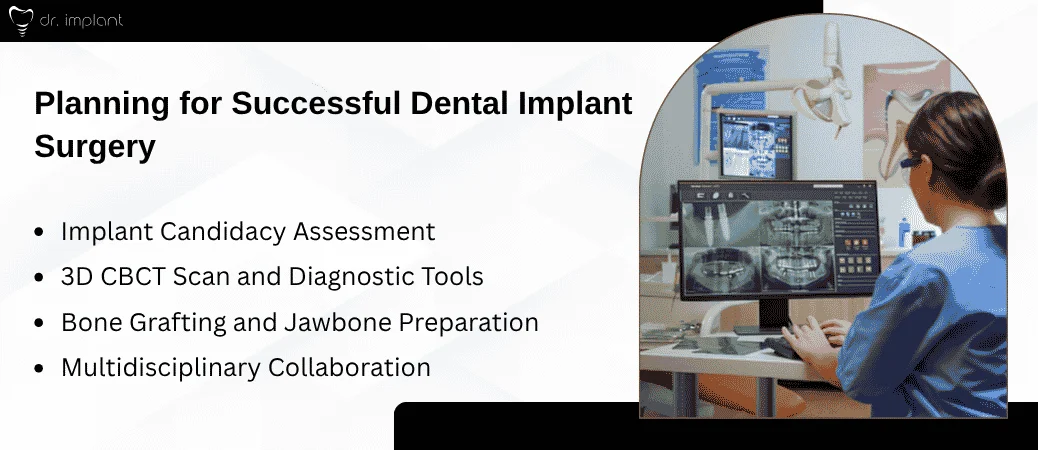
Implant Candidacy Assessment
Your implant consultation starts with a full health review. Your dentist will ask about your diagnosis, current symptoms, flare history, and medications such as steroids or biologic drugs.
Some autoimmune medications suppress your immune system. This can affect healing and infection risk after oral surgery.
Research shows that implants can succeed in many patients with autoimmune conditions when care teams plan carefully.
Your dentist will also check:
- Gum health
- Signs of active infection
- Jaw joint problems, especially with rheumatoid arthritis
- Bone levels around missing teeth
Stable disease and good oral hygiene improve implant candidacy. If your condition is active or poorly controlled, your dentist may delay treatment until your health stabilizes.
3D CBCT Scan and Diagnostic Tools
Precise implant planning depends on detailed imaging. A 3D CBCT scan creates a full view of your jawbone, nerves, and sinus areas.
This scan shows bone height, width, and density. Autoimmune diseases can affect bone metabolism, so this step matters.
Your dentist uses the scan to:
- Choose the correct implant size
- Avoid nerves and sinus cavities
- Plan the exact angle of placement
Digital planning software may create a surgical guide. This guide helps place the implant in the safest and most stable position.
Clear imaging lowers surprises during oral surgery. It also reduces surgical time, which may support smoother healing if your immune system is suppressed.
Bone Grafting and Jawbone Preparation
Dental implants must fuse with your jawbone. This process, called osseointegration, requires healthy bone.
If you have bone loss from gum disease or long-term tooth loss, your dentist may recommend bone grafting. Some autoimmune conditions and medications can also affect bone strength.
A graft adds volume or density to weak areas of the jawbone. It may come from:
- Your own bone
- Donor bone
- Synthetic bone material
Healing time varies. If you take medications that affect bone turnover, your dentist will review your risks before scheduling surgery.
Strong bone support increases implant stability. Careful preparation improves long-term results.
Multidisciplinary Collaboration
Implant planning often involves more than your dentist. If you have rheumatoid arthritis or lupus, your rheumatologist plays an important role.
Your dental team may contact your rheumatologist to confirm:
- Disease stability
- Safe timing for surgery
- Whether medication changes are needed
For example, some biologic drugs may require short pauses before surgery. Any adjustment must come from your prescribing doctor.
Studies suggest implants can remain a safe option for many patients with autoimmune disease when teams coordinate care.
Clear communication protects your health. When your providers work together, you lower risk and support predictable healing.
Aftercare, Oral Hygiene, and Long-Term Implant Health
Good daily care and close medical follow-up protect your implant while your immune system stays balanced.
You lower your risk of infection and improve implant stability when you control dry mouth, prevent inflammation, and track disease activity.
Managing Dry Mouth and Saliva Flow
Autoimmune conditions like rheumatoid arthritis and lupus often cause dry mouth. Some medications also reduce saliva. Low saliva flow raises your risk of cavities, gum disease, and slow wound healing.
Saliva protects your oral health. It washes away bacteria, balances acids, and supports implant healing. When saliva drops, plaque builds up faster around the implant.
You can improve saliva flow with simple steps:
- Sip water often during the day
- Use alcohol‑free mouth rinses
- Chew sugar‑free gum with xylitol
- Ask your dentist about saliva substitutes
Brush twice daily with a soft brush. Clean around the implant carefully to protect gum health. If you have ongoing dryness, discuss it during visits about autoimmune disease and dental implants.
Managing dry mouth supports better implant survival rates.
Preventing Peri-Implantitis
Peri-implantitis is an infection that affects the tissue and bone around an implant. It can reduce implant stability and lead to bone loss.
Autoimmune diseases may change how your body reacts to plaque. Some drugs suppress your immune system, which can raise infection risk and slow wound healing.
You can still maintain strong implant survival rates with strict plaque control.
Focus on these habits:
- Brush along the gumline using gentle pressure
- Use floss, implant floss, or interdental brushes daily
- Schedule cleanings every 3–4 months if advised
- Report bleeding, swelling, or bad taste right away
Research shows implants can succeed in people with autoimmune disorders when they follow careful maintenance and long-term follow-up. Early action protects your gum health and supports lasting results.
Monitoring Disease Activity
Your implant does best when your autoimmune condition stays well controlled. High disease activity can affect bone health, wound healing, and how well the implant bonds to bone.
Work closely with your rheumatologist and dental team. Coordination helps manage medications such as steroids or biologics that may affect healing.
Track flares, medication changes, and new symptoms. Share this information at each dental visit. Stable health supports steady implant healing, stronger implant stability, and better long-term function.
Frequently Asked Questions
Autoimmune diseases can change how your body heals, especially if you take steroids or biologic drugs. Careful planning with your dentist and rheumatologist helps lower the risk of infection, bone loss, and implant failure.
Can an autoimmune condition affect whether dental implants will heal properly?
Yes, it can. Conditions like rheumatoid arthritis and lupus can affect how your immune system controls inflammation and repairs tissue.
If your immune system stays overactive, healing may take longer. Some people also have lower bone density, which can affect how well the implant bonds to the jaw.
Research shows many people with autoimmune disease still have strong results.
A review on the success rate of dental implants in patients with autoimmune disorders found high survival rates in many cases, especially when the condition is stable.
Are dental implants safe if I’m taking immunosuppressants or biologic medications?
They can be safe, but your care team needs to review your medications. Drugs that suppress your immune system may slow healing and raise your infection risk.
Biologic medications for rheumatoid arthritis or lupus can also affect how your body responds to surgery.
Your dentist may coordinate with your rheumatologist to decide if you should adjust your medication schedule before surgery.
How does long-term steroid use impact implant success and bone healing?
Long-term steroid use can reduce bone density over time. Weaker bone may not hold the implant as firmly.
Steroids can also slow wound healing. This does not mean implants will fail, but it may increase your risk if bone quality is already low.
Your dentist may order imaging to check bone thickness and strength before moving forward.
What pre-implant tests or medical clearance might my dentist request from my rheumatologist?
Your dentist may ask for a written medical clearance. This confirms that your condition is stable and well managed.
They may request recent lab results that show inflammation levels. In some cases, they review white blood cell counts or markers of immune activity.
Guidance on oral surgery considerations for patients with autoimmune disorders explains how coordinated care can improve safety and planning.
Is there a higher risk of infection or implant failure for people with autoimmune flare-ups?
Yes, especially during an active flare. When inflammation is high, your body may not heal as predictably.
Flare-ups can increase swelling and discomfort after surgery. If you take immune-suppressing drugs, your infection risk may also rise.
Many dentists prefer to schedule implant surgery when your condition is stable and symptoms are under control.
What steps can I take before and after surgery to improve my chances of a successful implant?
Keep your autoimmune condition well managed. Take your medications as directed unless your doctor advises a change.
Practice strong oral hygiene before surgery. Brush twice daily and clean between your teeth to reduce bacteria.
After surgery, follow all care instructions closely. Attend follow-up visits so your dentist can check healing and address problems early.
Discussions about dental implants with autoimmune disease and what to know stress that good communication and careful monitoring play a key role in long-term success.