Losing a tooth affects more than just your smile. It can change how you eat, speak, and feel about yourself every day.
When you start looking into tooth replacement options, you’ll quickly discover that implants cost more upfront than dentures or bridges, which raises an important question: Are dental implants worth the investment?
Dental implants are worth the investment for most people because they can last 20 years or more, function like natural teeth, and help prevent bone loss in your jaw.
While a single implant typically costs between $3,000 to $6,000, dental implants provide long-term benefits that other tooth replacement methods simply can’t match. They look natural, feel comfortable, and don’t require you to damage your surrounding teeth.
The choice between dental implants and other options depends on your specific situation, budget, and oral health goals. This guide will help you understand what dental implants involve, how they compare to alternatives, and whether they make sense for your needs.
Key Takeaways
- Dental implants typically last 20+ years and prevent jawbone loss, making them a durable solution for missing teeth
- The upfront cost ranges from $3,000 to $6,000 per tooth, but implants often prove more cost-effective than bridges or dentures over time
- Most adults with good oral health can get implants, though some may need bone grafting first
How Dental Implants Work
Dental implants replace missing teeth through a multi-step process that involves surgically placing a titanium post into your jawbone, allowing it to fuse with the bone, and then attaching a custom artificial tooth on top.
Structure and Materials
A dental implant system has three main parts that work together to replace your missing tooth.
The implant post is a small screw made from titanium or zirconium oxide that acts as an artificial tooth root. Your dentist surgically places this titanium post into your jawbone where it stays permanently.
The abutment is the middle piece that connects to the top of the implant post. It extends through your gums and into your mouth. Your dentist attaches it to the implant body using a small fixation screw.
The dental crown sits on top of the abutment and looks like your natural tooth. This artificial tooth is custom-made to match the color and shape of your other teeth. The three parts create a stable tooth replacement that functions like your original tooth.
Implant Placement and Osseointegration
During dental implant surgery, your dentist makes a small opening in your gum and drills into the jawbone. They place the implant post into this space and close the gum tissue around it. You typically get a temporary tooth while you heal.
Osseointegration is when the implant fuses with your jawbone over several months. Your bone grows around the titanium post and holds it firmly in place.
This process creates a strong foundation for your new tooth. The healing time varies for each person based on your overall health and bone quality.
From Surgery to Restoration
The dental implant procedure happens in stages over several months. First, you have the implant surgery to place the post in your jaw. You wait for osseointegration to complete, which can take three to six months or longer.
Once the implant post has bonded with your bone, you return for a second minor procedure. Your dentist attaches the abutment to the implant. Your gums need a few weeks to heal around the abutment.
Finally, your dentist takes impressions of your mouth to create your custom dental crown. They attach the crown to the abutment, and your tooth replacement is complete. You can eat and care for it just like your natural teeth.
Evaluating the Benefits of Dental Implants
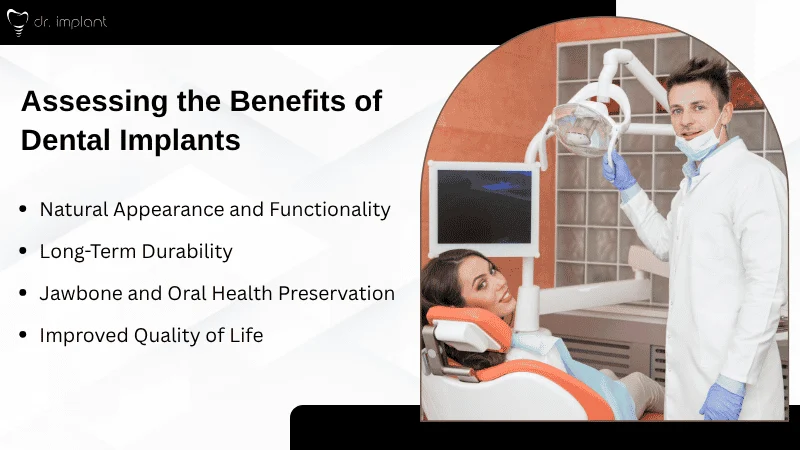
Dental implants provide several advantages that set them apart from other tooth replacement options. They look and work like real teeth, last for many years, protect your jawbone, and can make daily activities much easier.
Natural Appearance and Functionality
Dental implants closely replicate the look and feel of a natural tooth when covered with a crown. The implant sits in your jawbone just like a natural tooth root would. This means the crown on top blends in with your other teeth.
You won’t need to worry about people noticing your replacement tooth. The color and shape match your existing teeth. When you smile or talk, your implants look completely natural.
Your implants also work like real teeth. You can bite and chew normally without restrictions. Unlike dentures that might slip or shift, implants stay firmly in place because they’re anchored in your bone.
Long-Term Durability
Dental implants are built to last for decades with proper care. Many people keep their implants for the rest of their lives. This makes them different from bridges or dentures that need replacement every 5 to 10 years.
The titanium post fuses with your jawbone through a process called osseointegration. This creates a strong, stable foundation. Your implant won’t decay like a natural tooth because it’s made of metal and ceramic materials.
The long-term cost is often less than replacing bridges or dentures multiple times. While you pay more upfront, you save money over the years. You also avoid the hassle of getting new replacements every few years.
Jawbone and Oral Health Preservation
Your jawbone needs stimulation to stay healthy. When you lose a tooth, the bone in that area starts to break down. Dental implants prevent this problem by acting like natural tooth roots.
The implant post stimulates your jawbone when you chew. This keeps the bone strong and prevents it from shrinking. Bone preservation is important because it maintains your facial structure and prevents that sunken look some people get with missing teeth.
Implants also protect your surrounding teeth better than other options. Bridges require grinding down healthy teeth on either side. With implants, your other teeth stay untouched.
You can maintain good oral hygiene around implants just like regular teeth. Brush twice daily and floss normally. There are no special cleaning routines or soaking requirements like dentures need.
Improved Quality of Life
Eating becomes easier and more enjoyable with dental implants. You can bite into apples, chew steak, and eat corn on the cob without worry. There are no food restrictions like you might have with dentures.
Speaking clearly is another benefit. Dentures can slip and cause slurred speech or clicking sounds. Implants stay put, so you can talk confidently in any situation.
Your confidence often improves when you’re not worried about your teeth. You can smile freely without feeling self-conscious.
Social situations become more comfortable when you’re not thinking about whether your teeth look natural or might slip out of place.
Understanding the Costs Involved
Dental implants require a financial commitment that varies based on several factors, with single tooth implants typically ranging from $1,000 to $6,000 depending on your location and specific needs.
Breaking down these costs helps you understand what you’re paying for and why the investment differs from other tooth replacement options.
Breakdown of Dental Implant Costs
The cost of dental implants includes multiple components beyond just the implant itself. You’ll pay for the initial consultation and imaging, which often includes X-rays or 3D scans to plan your treatment properly.
The implant post, made from titanium or zirconia, gets surgically placed into your jawbone. This piece alone typically costs between $1,500 and $3,000.
On top of that, you need a custom-made crown that sits on top of the implant. Your implant dentist will also charge for the surgical procedure itself and any follow-up appointments.
If you need preparatory work like bone grafting, expect to add another $300 to $700 to your total bill.
Factors Affecting Price
Several variables influence how much you’ll pay for tooth implants. Your geographic location plays a big role, with prices varying significantly between cities and countries.
The complexity of your case matters too. If you have sufficient bone density and healthy gums, the procedure is simpler and less expensive. However, if you’ve had missing teeth for years, you might need bone grafting first due to bone loss.
The number of teeth you’re replacing directly impacts your total cost. A full arch restoration using the All-on-4 technique can range from $5,000 to $9,000 per arch.
Your choice of materials affects price as well. Zirconia implants typically cost more than titanium options. The experience and expertise of your implant dentist also influences the final price.
Comparing Short-Term and Long-Term Value
Single tooth implants cost more upfront than bridges or dentures. A traditional bridge might seem cheaper initially, but it needs replacement every 7 to 10 years.
Dentures require replacement every 5 to 7 years and often need adjustments in between. These recurring costs add up over time, making dental implants cost less in the long run.
Implants can last 20 years or more with proper care, eliminating the need for repeated procedures and associated expenses. You also avoid the hidden costs that come with other options, like adhesives for dentures or repairs for damaged bridges.
The investment in dental implants prevents bone loss, which maintains your facial structure and prevents additional dental problems that would require expensive treatment later.
Comparison With Other Tooth Replacement Options
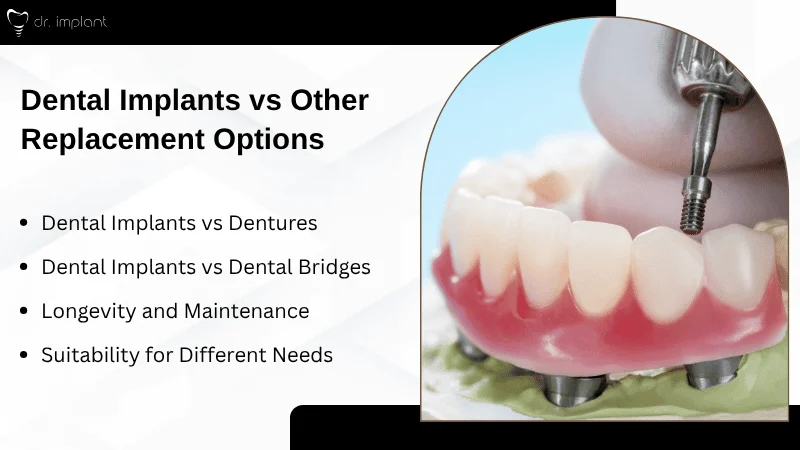
Dental implants differ from dentures and bridges in several key ways, including how they attach to your mouth, how long they last, and what kind of maintenance they need.
Each option works differently to replace missing teeth, with distinct advantages depending on your specific situation.
Dental Implants vs Dentures
Dentures are removable appliances that sit on top of your gums to replace missing teeth. You need to take them out daily for cleaning and soaking.
They can slip while you’re eating or talking, which may cause embarrassment or discomfort.
Dental implants are fused to your bone, so they stay in place permanently. You don’t have to remove them or use adhesives to keep them secure.
This makes eating and speaking much easier since implants function just like your natural teeth.
Dentures can also affect your ability to taste food properly since the upper denture covers your palate. With implants, nothing blocks the roof of your mouth. You can enjoy your meals without restrictions.
Over time, dentures may need adjustments or replacements as your jawbone changes shape. This happens because dentures don’t stimulate the bone like natural tooth roots do.
Dental Implants vs Dental Bridges
A dental bridge uses your surrounding teeth as anchors to hold a replacement tooth in place. Your dentist must grind down the healthy teeth on either side of the gap to fit the bridge.
This permanently alters those teeth, even though they may be perfectly healthy.
Dental implants don’t require any changes to your other teeth. The implant stands alone in the gap, leaving your remaining natural teeth untouched. This preserves more of your natural tooth structure.
Bridges typically last 5 to 15 years before needing replacement. They put extra stress on the anchor teeth, which can lead to problems down the road.
The area under the bridge can also trap food particles, making cleaning more difficult.
An implant replaces both the tooth and the root, helping to maintain your jawbone structure. This prevents the bone loss that often occurs when you have a missing tooth.
Longevity and Maintenance
With proper care, dental implants can last for years and often decades or even a lifetime. You care for them the same way you care for natural teeth through regular brushing, flossing, and dental checkups.
Dentures need replacement every 5 to 8 years as they wear down and your mouth changes. They require special cleaning solutions and careful handling to prevent damage. You also need adhesives and other products to keep them comfortable.
Dental bridges typically last between 5 and 15 years before requiring replacement. The supporting teeth may develop decay or damage from bearing the extra load. This can lead to additional dental work and expenses.
Implants don’t need special products or complicated cleaning routines. You just maintain good oral hygiene like you would with your natural teeth.
Suitability for Different Needs
Your eligibility for dental implants depends on having healthy gums and enough bone to support the implant. You also need good overall health and controlled blood sugar if you have diabetes. Heavy smoking can affect the success of implants.
Dentures work well if you’re missing many teeth or all your teeth in one or both jaws. They’re often the most affordable option upfront, making them accessible for people with budget constraints.
However, they may feel less stable and natural than other options.
Bridges are suitable when you have strong, healthy teeth on both sides of a gap. They work best for replacing one or a few teeth in a row.
If the surrounding teeth already have large fillings or damage, a bridge might make sense since those teeth need crowns anyway.
Some people aren’t good candidates for implants due to bone loss, certain medical conditions, or medications that affect healing.
Your dentist can evaluate your specific situation and recommend the right tooth replacement option for your needs.
Curious about the value of dental implants? Get a personalized consultation with our expert team!
Who Can Benefit From Dental Implants?
Most people who have lost one or more teeth can benefit from dental implants, but certain health factors affect whether you’re a good candidate.
Your jawbone density and gum health play major roles in determining if implants will work for you.
Ideal Candidates
You might be a good candidate for dental implants if you’ve lost teeth due to injury, tooth decay, or periodontal disease. Other common reasons for tooth loss include smoking, poor nutrition, aging, and chronic diseases like diabetes or COPD.
The best candidates have good overall health and can maintain proper oral hygiene. You should also be committed to regular dental visits, and daily brushing and flossing.
However, you may not be a good candidate if you’re a current smoker or have severe gum disease. Certain medical conditions like bleeding disorders, uncontrolled type 2 diabetes, or immune deficiencies can also prevent you from getting implants.
If you’re undergoing chemotherapy or taking bisphosphonate drugs for osteoporosis, your dentist may recommend waiting.
Role of Jawbone Density and Healthy Gums
Your jawbone needs to be strong enough to support the titanium screw that acts as the tooth root. The bone must fuse with the implant through a process called osseointegration, which takes several months.
Healthy gums are equally important because they surround and protect the implant. If you have active gum disease, your dentist will need to treat it before placing an implant.
The tissue around your implant remains susceptible to infection just like your natural gums.
Some people don’t have enough natural bone left in their jaw due to gum disease, genetics, or aging. Your dentist will evaluate your bone density through X-rays or CT scans before recommending implants.
When Bone Grafting or Sinus Lift Are Needed
Bone grafting replaces lost or damaged bone to create a strong foundation for your implant. The graft material can come from another bone in your body like your hip or chin, from a donor, or from synthetic bone made in a lab.
In some cases, you can receive the implant and bone graft on the same day. This is called one-stage implant placement and requires very good existing bone density.
A sinus lift becomes necessary when you need an implant in your upper jaw but don’t have enough bone height. This procedure adds bone below the sinus to create adequate space for the implant.
Your oral surgeon lifts the sinus membrane and places bone graft material underneath it.
Care, Longevity, and Potential Drawbacks
Dental implants require specific care routines to maintain their function, and while they offer impressive durability, understanding the recovery process and realistic lifespan expectations helps you make an informed choice.
Oral Hygiene and Maintenance
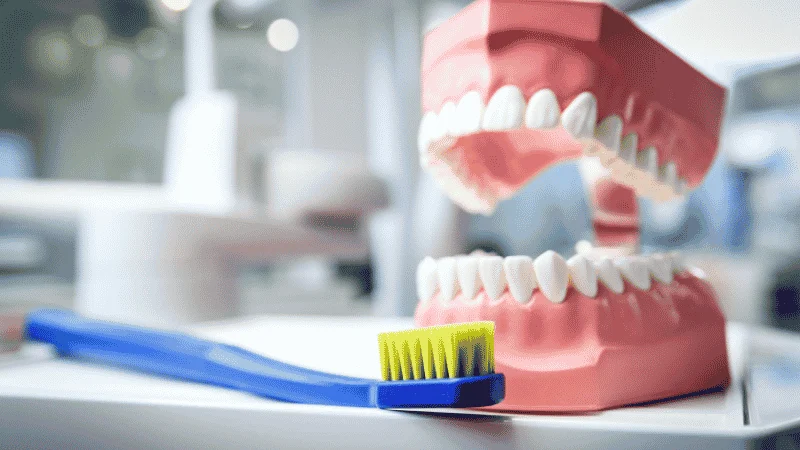
You need to brush your dental implants twice daily just like natural teeth. Regular flossing around the implant and crown removes food particles and prevents bacterial buildup.
Your oral hygiene routine should include using a soft-bristled toothbrush to avoid scratching the crown surface. Many dentists recommend antimicrobial mouthwash to reduce infection risk around the implant site.
You should schedule professional cleanings every six months to check the implant’s stability and remove tartar.
Unlike dentures, implants don’t require removal for cleaning or special soaking solutions. You can care for them as part of your normal brushing routine. However, you should avoid extremely hard foods that could damage the crown, though implants handle most foods better than dentures.
Potential Risks and Recovery
The surgery itself takes about 90 minutes, but the whole process might take 6 to 12 months because you need multiple appointments. You’ll receive local anesthetic during the procedure to numb your mouth.
Common risks include infection, bleeding, and damage to surrounding teeth or tissues. Implant failure rates have been reported as 11% in smokers and 5% in nonsmokers.
Other potential complications include gum recession, nerve damage, and allergic reactions to anesthetic.
Some people aren’t good candidates for implants. You may face challenges if you have uncontrolled diabetes, blood clotting disorders, or metabolic bone disease. Heavy smoking significantly increases your risk of implant failure.
How Long Do Dental Implants Last?
Dental implants have a success rate above 97% for 10 years, making them one of the most durable tooth replacement options. Research shows survival rates of 98.9% at three years, 98.5% at five years, and 96.8% at 10 years.
With proper care, implants can last 20 years or more. This long-term durability exceeds traditional alternatives like dentures, which last an average of 10.1 years, and bridges that typically need replacement every 5 to 15 years.
Your implant’s lifespan depends on several factors. Good oral hygiene extends the life of your implant significantly. Not smoking, maintaining healthy gums, and attending regular dental checkups all contribute to implant longevity.
Frequently Asked Questions
Many people have similar concerns when considering dental implants, from understanding costs to knowing what to expect during the process. These common dental implant questions can help you make an informed decision about whether implants are right for you.
How do I know if dental implants are the right choice for my situation?
Your dentist will evaluate several factors to determine if you’re a good candidate for dental implants. They’ll check if you have enough healthy jawbone to support the implant and assess your overall oral health.
You need healthy gums and adequate bone density for implants to work properly. If you have gum disease or bone loss, your dentist may recommend treatment first or suggest bone grafting to build up the jawbone.
Your general health matters too. Conditions like uncontrolled diabetes or certain medications can affect healing and implant success. Smoking can also reduce the success rate of dental implants.
What are the most common reasons someone might decide not to get dental implants?
Cost is the biggest barrier for most people. A single implant can range from $3,000 to $6,000, which makes it a significant expense for many families.
Some people choose not to get implants because they don’t want to undergo surgery. The process requires a surgical procedure to place the implant in your jawbone, and not everyone feels comfortable with that.
Time commitment can also be a deciding factor. The entire implant process can take several months from start to finish as the implant needs time to fuse with your jawbone.
What important things do people often wish they knew before getting dental implants?
The healing process takes longer than many people expect. Your jawbone needs several months to fully integrate with the implant before the final tooth can be attached.
You’ll need to follow strict care instructions after the surgery. This includes eating soft foods, avoiding certain activities, and maintaining excellent oral hygiene during the healing period.
Multiple dental visits are required throughout the process. You’ll need appointments for the initial consultation, the implant placement, follow-up checks, and finally the crown placement.
How safe are dental implants, and what risks or complications should I be aware of?
Dental implants are generally very safe when performed by a qualified professional. The procedure is done under local anesthesia or sedation, and most patients experience minimal discomfort.
Possible complications include infection at the implant site, damage to surrounding teeth or blood vessels, or nerve damage that can cause pain or numbness. These complications are rare but can happen.
Implant failure can occur if the implant doesn’t properly fuse with your jawbone. This happens in a small percentage of cases and may require removal and replacement of the implant.
Sinus problems can develop if upper jaw implants protrude into your sinus cavities. Your dentist will take X-rays and scans to plan the placement carefully and avoid this issue.
What is the average total cost for a full set of implant-supported dentures, including all fees?
Full-mouth implant-supported dentures typically cost between $20,000 and $50,000 per arch. This wide range depends on how many implants you need, the type of dentures used, and your location.
The total cost usually includes the surgical placement of implants, the custom dentures, and any necessary preparatory procedures. Additional procedures like bone grafting or tooth extractions will increase the overall price.
Some dental practices offer payment plans to make the cost more manageable. Dental insurance may cover a portion of the procedure, though many plans have annual maximums that won’t cover the full cost.
Are full-mouth dental implants a good option compared with dentures or bridges?
Dental implants can last for decades with proper care, making them more durable than traditional dentures or bridges. Traditional dentures typically need replacement every 5 to 7 years.
Implant-supported dentures feel more natural and stable than regular dentures. You won’t have to worry about them slipping while eating or speaking, which is a common problem with traditional dentures.
Regular dentures can lead to bone loss in your jaw over time. Dental implants help preserve your jawbone by stimulating it like natural tooth roots do.
The upfront cost for implants is higher than dentures or bridges. However, when you factor in replacements and adjustments needed for traditional options over time, implants may be more cost-effective in the long run.