
Getting dental implants is a major decision that affects both your health and your wallet. Walking into your consultation prepared with the right questions helps you understand what to expect and feel confident about moving forward.
You want to know if you’re a good candidate, what the process involves, and how much it will cost.
The most important questions to ask during your dental implant consultation cover your candidacy, the procedure details, potential risks, recovery timeline, total costs, and your dentist’s experience.
These topics give you a complete picture of what dental implants will mean for you. Asking smart questions also helps you spot red flags and choose the right provider.
This guide walks you through the essential questions to ask at your implant consultation. You’ll learn what to ask about your oral health, treatment options, and long-term care so you can make an informed choice.
Key Takeaways
- Ask about your candidacy, bone health, and whether you need additional procedures before getting implants
- Get clear details on procedure steps, recovery time, materials used, and what happens if something goes wrong
- Understand total costs, payment options, and verify your dentist’s training and experience with dental implants
Assessing Implant Candidacy and Oral Health
Your dentist will evaluate several health factors during your consultation to determine if implants will work for you.
Understanding what makes someone a good candidate helps you prepare for honest conversations about your oral health and any steps needed before treatment.
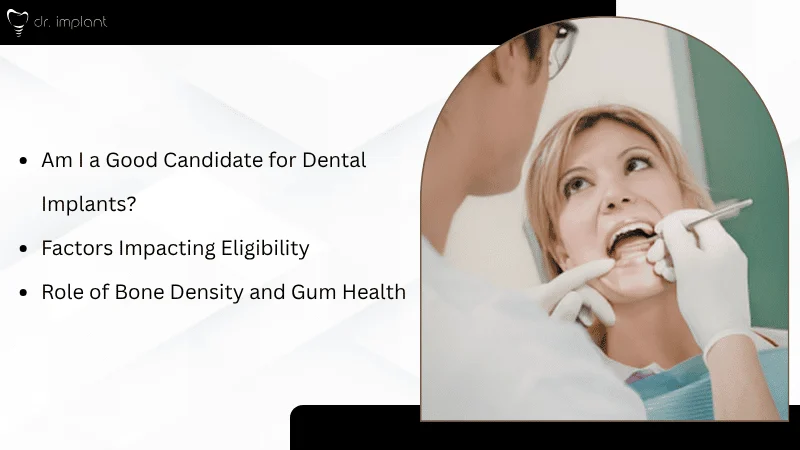
Am I a Good Candidate for Dental Implants?
Most adults with missing teeth can receive dental implants, but certain conditions must be met first. You need sufficient jawbone density to support the implant posts and healthy gums free from active infection.
Your overall health matters too. Conditions like uncontrolled diabetes can slow healing and increase the risk of implant failure.
If you smoke, your dentist will likely ask you to quit before and during treatment since smoking reduces blood flow to the gums and bones.
Age isn’t usually a barrier. As long as your jaw has finished growing (typically by age 18), you can be evaluated as a candidate for dental implants at almost any age. Your prosthodontist or oral surgeon will review your medical history and medications to identify any factors that might affect success rates.
Factors Impacting Eligibility
Several conditions can affect whether you qualify for implants right away. Active gum disease must be treated before implant placement since bacteria can spread to the implant site and cause failure.
Certain medications like bisphosphonates (used for osteoporosis) may require special considerations. Radiation therapy to the head or neck can also impact bone healing. Your dentist needs to know about these treatments.
Teeth grinding or clenching puts extra pressure on implants. If you have these habits, your dentist might recommend a night guard to protect your investment.
Some patients need preliminary procedures like bone grafts or gum treatments before they can move forward with implants.
Role of Bone Density and Gum Health
Jawbone density is critical because implants fuse directly to your bone through a process called osseointegration. When you lose teeth, the jawbone in that area starts to shrink over time.
Your dentist will use 3D scans or X-rays to measure bone volume and quality. If your bone has thinned, a bone graft can rebuild the area before implant placement. This adds time to treatment but greatly improves long-term success.
Healthy gums provide a protective seal around implants, just like they do for natural teeth. Gum disease and oral health issues must be addressed first to prevent infection.
Your dentist will check for inflammation, pockets between teeth and gums, and signs of bone loss during your exam.
Understanding Implant Options and Alternatives
Different implant types and materials serve different needs, and knowing your alternatives helps you make the best choice for your specific situation.
The material used, the type of restoration, and how implants compare to other tooth replacement options all affect your results.
Types of Dental Implants and Materials
Most dental implants use titanium as the base material because it fuses well with your jawbone. This metal post acts as an artificial tooth root that supports your replacement tooth.
Some providers offer zirconia implants as an alternative. These are white ceramic implants that some patients prefer for aesthetics in visible areas.
The restoration that goes on top includes the abutment and crown. The abutment connects the implant to the crown, which is the visible tooth-like part.
Crowns can be made from different materials like porcelain, ceramic, or porcelain fused to metal.
Common implant configurations include:
- Single tooth implants with individual crowns
- Multiple implants supporting a bridge
- Full arch implants (often called All-on-4 or All-on-6)
- Mini implants for denture stabilization
Ask your implant dentist which type of implant material they recommend and why it works best for your case.
Tooth Replacement Options
Dental implants aren’t your only choice for replacing missing teeth. Understanding all your tooth replacement options helps you decide what fits your needs and budget.
Traditional alternatives include:
- Removable partial dentures
- Complete dentures
- Fixed dental bridges
- Implant-supported dentures
Each option has different costs, timelines, and maintenance needs. Removable dentures are typically less expensive upfront but may need replacement every 5-7 years.
Traditional bridges require grinding down adjacent teeth to support the restoration.
Implant-supported dentures combine the stability of implants with the coverage of dentures. This option works well if you’re missing most or all teeth in an arch.
Choosing Between Implants, Bridges, and Dentures

Implants preserve your jawbone and don’t affect neighboring teeth, making them the closest option to natural teeth. They let you eat normally and don’t slip or click when you talk.
Bridges work faster than implants and cost less initially. However, they require altering healthy teeth on either side of the gap. Traditional dentures are the most affordable option but can affect your ability to taste food and may feel bulky.
Your bone quality, overall health, budget, and timeline all play a role in which tooth replacement works best. Some patients aren’t good candidates for implants due to bone loss or health conditions like uncontrolled diabetes.
Ask about the long-term costs too. While implants cost more upfront, they can last 20+ years with proper care. Dentures and bridges typically need replacement more often, which adds up over time.
Details of the Implant Process and Procedure
The implant process involves several stages that happen over multiple months, including surgical placement, healing periods, and final restoration. Understanding each phase helps you prepare for what’s ahead and plan around recovery time.
Step-by-Step Implant Timeline
The full dental implant process typically spans several months from start to finish. Your first visit includes a consultation where your dentist evaluates your jawbone and overall health.
If you need a tooth extraction, that happens first. The extraction site must heal before implant placement, which usually takes a few weeks to a few months.
After any necessary preparation work, implant placement occurs during a surgical appointment. The healing period follows, lasting three to six months while the implant fuses with your bone.
Once healing is complete, your dentist attaches an abutment. This connects the implant to your final crown. The crown placement happens during your last appointment, completing the process.
Bone Grafting and Preparatory Treatments
Some patients need bone grafting before getting implants. This happens when your jawbone isn’t thick or strong enough to support an implant.
A bone graft adds material to your jaw to create a solid foundation. The graft material can come from your own body, a donor, or synthetic sources.
Bone grafting affects your timeline and cost, so ask upfront if you’ll need it. The graft site needs time to heal and integrate with your existing bone before implant surgery can happen.
Recovery from bone grafting typically takes three to six months. Your dentist monitors the healing to confirm the bone is ready for the next step.
Healing Time and Osseointegration
Osseointegration is when your jawbone grows around and fuses with the titanium implant post. This process creates the stable foundation that makes implants so durable.
The osseointegration period usually takes three to six months. During this time, bone cells attach to the implant surface and gradually secure it in place.
You won’t have pain during osseointegration since it happens gradually under the gumline. However, you need to follow care instructions carefully to avoid disrupting the process.
Factors like smoking, certain health conditions, or poor oral hygiene can slow or prevent proper healing. Ask your provider what could affect your healing and how to support the best outcome.
What to Expect During Implant Surgery
Implant surgery happens in your dentist’s office, usually under local anesthesia. Some practices also offer sedation options if you feel anxious about the procedure.
Your dentist makes a small opening in your gum tissue to access the jawbone. They then drill a precise hole and place the titanium implant post into the bone.
The surgery itself typically takes one to two hours per implant. You should arrange for a ride home, especially if you receive sedation.
After surgery, expect some swelling and mild discomfort for a few days. Your dentist will provide specific instructions about pain management, diet restrictions, and oral care during recovery.
Addressing Risks, Complications, and Long-Term Care
Every surgical procedure comes with some level of risk, and dental implants are no exception. Understanding what could go wrong and how to prevent it helps you make a smart choice and take care of your investment for years to come.
Potential Risks and How to Minimize Them
Infection and implant failure are possible risks, though they don’t happen often. Your dentist should explain how they monitor for these issues during your recovery.
Ask about the specific steps they take to reduce your risk. This might include antibiotic protocols, sterile surgical techniques, and careful placement planning.
Certain habits can increase your chances of complications. Smoking slows healing and weakens bone support around the implant. Some health conditions like diabete1s or autoimmune disorders may also affect success rates.
Your provider should review your full medical history to identify any factors that could impact healing. They can then adjust your treatment plan or recommend changes to improve your outcome.
Signs of Implant Failure or Nerve Damage
You need to know what normal healing looks like versus what signals a problem. Mild swelling and soreness are expected in the first few days after surgery.
Watch for these warning signs that require immediate attention:
- Persistent pain that gets worse instead of better
- Movement or looseness of the implant
- Severe swelling that doesn’t improve after a week
- Numbness or tingling in your lips, chin, or tongue
- Pus or unusual discharge around the implant site
Nerve damage can cause numbness or sensitivity in nearby areas. While rare, it’s important to report any unusual sensations right away.
Your dentist should give you clear instructions about when to call their office. Don’t wait if something feels wrong.
Oral Hygiene and Follow-Up Care
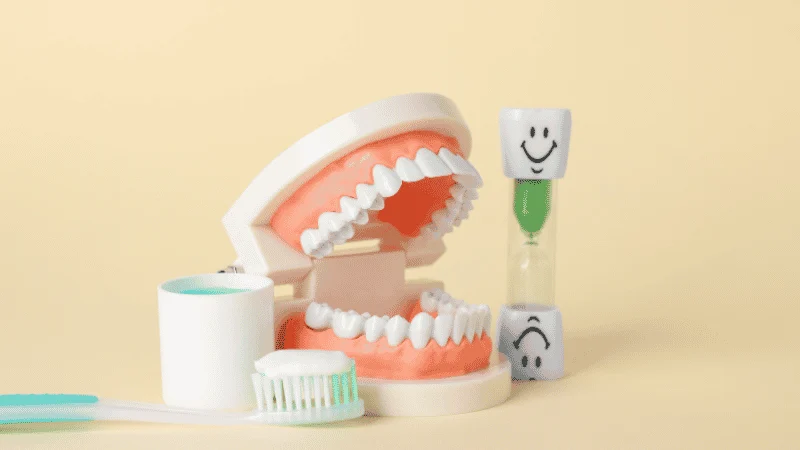
Taking care of your implants properly helps them last decades. You’ll need to brush twice daily and floss around the implant just like your natural teeth.
Your dentist may recommend special tools like interdental brushes or water flossers to clean hard-to-reach areas. Ask which products work best for your specific restoration.
Follow-up visits are essential for monitoring healing and catching potential issues early. Your provider will check how well the implant is fusing to your bone and whether your gums are healthy.
Find out how many follow-up appointments you’ll need and whether they’re included in your treatment cost. Most patients need several check-ins during the first year, then regular cleanings every six months.
Ask what could shorten the lifespan of your implants. Poor oral hygiene, grinding your teeth, and skipping dental visits can all lead to problems down the road.
Planning for Costs, Insurance, and Dentist Experience
Understanding the full financial picture and your dentist’s qualifications helps you make a confident decision. Getting a detailed cost estimate and knowing what your insurance covers prevents surprises later.
Comprehensive Treatment Plan and Cost Breakdown
Your dental implant consultation should include a written treatment plan that lists every step of your care. This plan typically covers exams, imaging like CT scans, the surgery itself, materials used, and all follow-up visits.
Ask for costs broken down by each phase. Some quotes only show the implant placement cost but leave out bone grafting, temporary teeth, abutments, or the final crown.
A full smile makeover or multiple implants will have different pricing than a single tooth replacement.
Make sure you know what could change the total cost. If your bone density is low or you need gum treatment first, those extras can add hundreds or thousands of dollars.
A transparent cost breakdown should list everything so you can compare options fairly.
Insurance Coverage and Payment Plans
Check whether your dental insurance covers any portion of implant treatment. Many plans cover part of the crown or preparatory work but not the implant itself. Call your insurance provider before your appointment to understand your benefits.
If insurance doesn’t cover everything, ask about payment plans or financing options. Many dental offices offer monthly payment plans that spread the cost over time.
Some work with third-party lenders that provide low or no-interest financing for qualified patients.
Get any payment agreements in writing. Know when payments are due, what happens if treatment takes longer than expected, and whether there are fees for missed appointments.
Questions to Ask Your Dental Team
Key questions about experience and credentials:
- How many implants have you placed in cases similar to mine?
- What is your success rate with implant procedures?
- Do you have specialized training in implant dentistry?
- Will one dentist handle my entire case or will specialists be involved?
Verifying your implant dentist’s training and experience helps you feel confident in your care. Ask to see before-and-after photos of similar cases.
A dentist who welcomes questions to ask your dentist and answers them clearly shows they value informed patients.
Frequently Asked Questions
Understanding the details of dental implant treatment helps you make the best choice for your smile. These common questions cover candidacy requirements, treatment options, healing expectations, and health factors that affect your results.
Am I a good candidate for dental implants based on my oral health and bone levels?
Your dentist will check your jawbone quality and overall oral health to see if you can get implants. Factors like smoking or certain health conditions can affect whether you’re a good candidate right now.
If your jawbone isn’t thick enough or strong enough, you might need bone grafting first. This extra step adds bone material to support the implant. Your dentist will take X-rays or 3D scans to measure your bone levels and plan the best approach.
Gum disease needs to be treated before you get implants. Healthy gums give implants the best chance to heal properly and last for many years.
What implant options do I have, and which one do you recommend for my situation?
You have several implant choices based on how many teeth you need to replace. A single implant works for one missing tooth, while multiple implants can support a bridge or full arch of teeth.
Most implant posts are made of titanium because it bonds well with bone. Your dentist might also offer zirconia implants if you prefer a metal-free option. Each material has different benefits for strength and appearance.
Your dentist will recommend an option based on your bone structure, budget, and goals. They should explain why they think one type will work better than another for your specific case.
What will the full treatment timeline look like from surgery to the final crown?
The dental implant process usually takes several months from start to finish. Your first appointment includes scans and planning, then the implant gets placed in your jaw during surgery.
After surgery, your implant needs time to fuse with your jawbone. This healing period typically lasts three to six months. During this time, the bone grows around the implant to hold it in place.
Once healing is complete, your dentist attaches an abutment and takes impressions for your crown. The final crown gets placed a few weeks later. Your provider should give you a personalized timeline that outlines each stage of your treatment.
What are the risks and possible complications, and how do you handle them if they happen?
Every medical procedure carries some level of risk. Infection and implant failure are possible but rare when you follow proper care instructions.
You might experience nerve sensitivity, sinus problems, or swelling after surgery. Your dentist should explain how often they see these issues and what steps they take to prevent them.
Ask about the protocol if your implant doesn’t heal correctly. A good provider will monitor your healing with follow-up appointments and have a clear plan to fix or replace an implant that doesn’t take.
When can I eat normally again, and what foods should I avoid during healing?
You’ll need to stick to soft foods for the first few days after surgery. Yogurt, smoothies, mashed potatoes, and soup are good choices while your mouth heals.
Avoid hard, crunchy, or chewy foods for several weeks. These can put too much pressure on your implant site and slow down healing. Skip things like nuts, chips, raw vegetables, and tough meats until your dentist says it’s okay.
Most patients can return to their normal diet after a few weeks, but full healing takes months. Your dentist will tell you when you can safely eat all foods again.
Do any of my medical conditions or medications (like autoimmune disease) affect implant success?
Certain health conditions can make it harder for implants to heal properly. Diabetes, autoimmune diseases, and osteoporosis may affect how well your bone supports the implant.
Tell your dentist about all medications you take, including blood thinners and bone loss drugs. Some medications need to be stopped before surgery, while others require special planning.
Smoking reduces implant success rates because it slows healing and weakens bone. If you smoke, your dentist might ask you to quit before getting implants or explain how it affects your chances of success.