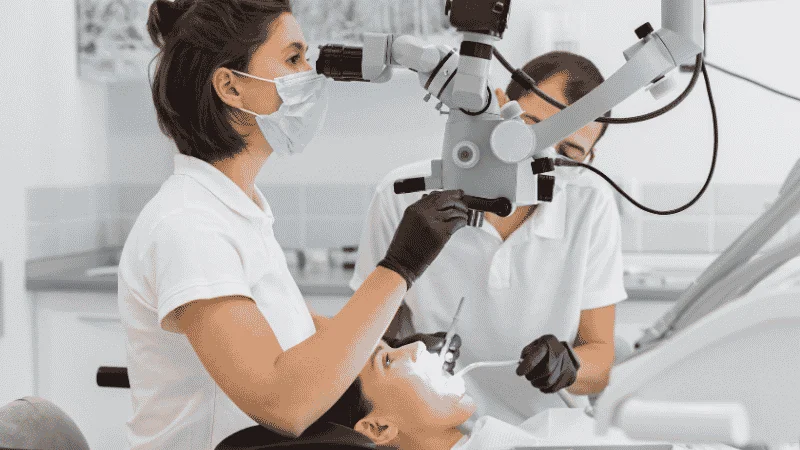
When you choose dental implants, you want them placed with care and accuracy. Modern technology helps you get that level of precision. In implant dentistry, digital tools guide each step, from planning to final placement.
Technology improves implant precision and reduces complications by using digital imaging, guided surgery, and computer-based planning to control placement and lower risk.
Tools like 3D scans and advanced in-house dental labs improve dental implant accuracy, helping your provider see bone, nerves, and surrounding tissue in detail. This clear view supports safer placement and better long-term results.
You also benefit from advanced systems such as robot-assisted implant placement, which guide the hand during surgery. These tools support steady angles and depth, which can reduce errors.
As you explore how these innovations work together, you will see how they protect your health and support lasting results.
Key Takeaways
- Digital imaging helps guide precise implant placement and avoid key structures.
- Computer-based planning and guided systems support accurate surgery.
- Modern tools in implant dentistry aim to lower risk and improve long-term outcomes.
Digital Workflow Revolution in Implantology
Digital tools now guide implant planning, surgery, and final restorations with clear data and real-time feedback. You can see the implant position before surgery, adjust it on a screen, and transfer that plan to the patient with high accuracy.
The Shift from Traditional to Digital Methods

In the past, you relied on physical impressions, stone models, and freehand implant placement. Small errors in impression material or model pouring could affect fit and alignment.
Now, digital impressions from intraoral scanners replace trays and materials. You capture a 3D image of the mouth in minutes. This scan feeds directly into planning software used in modern digital dentistry.
Computer-guided systems improve accuracy compared to freehand methods.
Research on computer-assisted implant surgery accuracy shows that digital approaches can improve precision over conventional techniques. That added precision helps you place implants closer to the planned position.
You also reduce manual steps. Fewer physical transfers mean fewer chances for distortion or human error.
Benefits of Integrated Digital Processes
A true digital workflow connects imaging, planning, surgery, and restoration into one continuous process. You collect CBCT data, merge it with intraoral scans, and design the implant position in software.
You can then create surgical guides or use navigation systems.
According to a review of recent advances in digital technology in implant dentistry, digital tools help transfer the virtual plan to the surgical site with improved accuracy. This direct transfer lowers the risk of placing implants too close to nerves or adjacent teeth.
After placement, you design the final crown or bridge using CAD/CAM systems. This process supports precise margins and better contact points for dental implant restorations.
Key clinical benefits include:
- More accurate implant positioning
- Better fit of prosthetic components
- Fewer adjustments at delivery
- Reduced chair time in many cases
When each step connects digitally, you control more variables and limit surprises.
Optimizing Clinical Collaboration
Digital systems also improve how you work with your lab and team. You send scan files instead of shipping physical models. The lab receives exact data within minutes.
With shared software platforms, you and the technician can review implant angulation, emergence profile, and crown contours together. This shared planning supports predictable results.
You can also store and review past cases easily. Digital records let you compare healing, check prosthetic fit, and plan maintenance.
By using connected dental technology, you build a clearer line from diagnosis to final restoration. That clarity supports better communication and more consistent outcomes for your patients.
Advanced Imaging and Diagnostic Tools
Modern implant planning relies on clear 3D scans, accurate bone data, and precise mapping of nearby structures. These tools help you place implants where they support function and avoid harm.
Role of CBCT Imaging in Precision
Cone beam computed tomography, or CBCT imaging, gives you a detailed 3D view of the jaw. Unlike flat 2D X‑rays, CBCT shows width, height, and depth in one scan.
You can measure bone volume and choose the right implant size before surgery. This reduces guesswork and limits chair time.
A systematic review on the impact of 3D imaging techniques and virtual patients on implant accuracy found that CBCT combined with digital planning improves placement precision compared to traditional methods.
When you pair CBCT with CAD/CAM software, you can design surgical guides that transfer your plan directly to the mouth.
Many practices also use CBCT data to support 3D printing. You can print a surgical guide that controls angle and depth during drilling. This helps you keep the implant in the exact position you planned.
Mapping Nerve Pathways and Bone Density
CBCT scans let you trace nerve pathways in the lower jaw, including the inferior alveolar nerve. You can see how close the nerve sits to the planned implant site and adjust your plan before you drill.
This step lowers the risk of numbness or nerve injury. It also gives you clear safety margins.
You can also evaluate bone density and bone quality in different areas of the jaw. Denser bone often provides better primary stability, while softer bone may require a wider or longer implant.
Advanced imaging tools in implant diagnostics improve how you assess these structures before surgery. When you plan with real bone data, you can select implant type, length, and position based on facts instead of estimates.
Real-Time Data for Safer Implant Placement
Digital planning software can connect your CBCT scan to guided surgery systems. Some systems use static guides made with 3D printing, while others use dynamic navigation.
With dynamic systems, you see your drill position on a screen in real time. The software tracks depth and angulation as you work.
This live feedback helps you stay within the planned path. If you drift from the ideal angle, you can correct it at once.
Digital workflows that combine 3D imaging, virtual planning, and guided placement improve accuracy and reduce risk. When you rely on real-time data, you make smaller corrections during surgery and lower the chance of damaging nearby structures.
Innovations in Digital Treatment Planning
Digital tools now let you plan implant cases with clear data instead of guesswork. You can map implant positioning, design restorations, and use data analysis to lower risk before you start surgery.
Digital Implant Planning Software
Digital implant planning uses CBCT scans and intraoral scans to build a 3D model of your patient’s mouth. You can view bone volume, nerve paths, and sinus position in one screen. This helps you place implants with safe distances and proper angulation.
Modern digital planning software also lets you merge facial scans with CBCT data. This creates a more prosthetic-driven treatment planning process.
A review of digital technologies in implantology explains how these tools improve diagnostic accuracy and surgical precision.
You can simulate implant positioning before surgery. The software shows depth, diameter, and alignment in real time.
Many systems support guided surgery. Combining CBCT, intraoral scanning, and CAD/CAM systems helps you move from analog methods to a fully digital workflow.
Key benefits for you:
- Better visualization of anatomy
- More accurate implant positioning
- Fewer surprises during surgery
CAD/CAM Restoration Design
CAD/CAM changes how you handle restoration design after implant placement. You design custom abutments and crowns on a computer instead of using physical models.
The software allows you to shape the emergence profile and occlusion with precision. This supports stable soft tissue and proper bite force.
A well-run digital workflow in implant planning and execution can reduce the need for traditional impressions and speed up turnaround time.
You can also connect restoration design directly to your treatment planning file. That means you plan implant positioning based on the final crown, not just available bone.
With CAD/CAM, you gain:
- Consistent fit and margins
- Faster lab communication
- Fewer adjustment visits
This tight link between planning and prosthetics lowers the risk of mechanical and biological complications.
AI and Predictive Analytics in Planning
Artificial intelligence now supports digital implant planning by analyzing large data sets. AI tools review bone density, implant size options, and surgical angles to suggest safer plans.
Research on AI in pre-surgical digital implant planning highlights how software can improve efficiency and help you weigh cost, time, and complexity.
These systems do not replace your judgment. They give structured guidance based on patterns in prior cases.
Some platforms also use robotics and navigation support. Data from robotic-assisted implant placement shows improved placement accuracy and reduced surgical errors in controlled settings.
When you use AI and predictive analytics, you can:
- Identify higher-risk cases early
- Adjust implant positioning before surgery
- Reduce the chance of nerve injury or poor alignment
This approach strengthens your treatment planning and supports safer, more precise outcomes.
Guided Surgery and Implant Placement Techniques
Digital planning, custom guides, and structured checks let you control implant placement with far greater accuracy.
When you pair guided implant surgery with clear quality control steps, you reduce surgical risk and improve long‑term stability.

Surgical Guide Fabrication
You start with detailed imaging, often using cone beam CT to study bone shape, nerve position, and sinus location. This 3D scan lets you plan implant placement based on the final crown position, not just the available bone.
Guided implant surgery follows a clear sequence that includes digital planning, guide design, and controlled drilling. Each step affects accuracy.
You then design a surgical guide that fits over teeth, bone, or soft tissue. Labs produce guides with CAD/CAM milling or 3D printing.
A well-made guide controls:
- Position (mesio-distal and bucco-lingual)
- Angle
- Depth
If the guide fits poorly or moves during drilling, small errors can add up. You must check stability before you begin and confirm full seating during the procedure.
Guided Implant Surgery for Predictable Outcomes
When you use guided implant surgery, you rely on a pre-planned digital path instead of visual judgment alone. This reduces guesswork and helps you avoid nerves, sinuses, and adjacent roots.
Research comparing computer-guided and freehand methods shows guided systems improve placement accuracy and help reduce surgical variation.
You also tend to see:
- Shorter surgical time
- Less tissue trauma in flapless cases
- Reduced postoperative pain in some patients
However, predictable outcomes depend on your planning skill. If you misplace the implant in the software, the guide will reproduce that error. Technology improves control, but your decisions still shape the result.
Immediate Loading and All-on-4 Approaches
Immediate loading allows you to place a temporary prosthesis on the same day as implant placement. For this to work, you need high primary stability and accurate positioning.
Guided surgery supports this workflow by aligning implants exactly where the planned restoration requires them. In full-arch cases like All-on-4, you often angle posterior implants to avoid anatomical limits while maximizing bone contact.
Clinical reports describe guided implant surgery combined with prefabricated prostheses in fully edentulous patients, allowing rapid tooth replacement.
You must evaluate bone density, insertion torque, and occlusion carefully. Immediate loading fails more often when stability or case selection is weak. Careful planning makes these advanced approaches more reliable.
Quality Control in Modern Implant Procedures
Technology improves precision only when you apply strict quality control. You should verify each step, from scan clarity to guide seating.
Common risk points include:
- Poor image quality
- Errors in virtual implant positioning
- Guide fracture or movement during drilling
You reduce risk when you:
- Stabilize the guide with fixation pins when needed
- Confirm drill depth control
- Clear debris before final implant seating
You also check vertical depth carefully, since vertical deviation occurs more often than side-to-side error. Consistent checks protect nearby structures and support predictable outcomes in modern implant placement.
Enhancing Restoration Accuracy and Longevity
Technology helps you achieve a precise prosthetic fit, stable implants, and durable materials that last. It also lowers your risk of biological and mechanical problems that can shorten the life of implant-supported restorations.
Prosthetic Fit and Occlusion Management
A precise prosthetic fit protects your implant and the surrounding bone. Even a small gap between the implant and the final restoration can create stress, screw loosening, or fracture.
Digital impressions and CAD/CAM systems improve accuracy during design and fabrication. Many labs now use fully digital workflows to improve consistency and reduce remakes.
You also need correct occlusion. If your bite places uneven force on an implant crown or bridge, the bone and components can overload.
Clinicians use digital bite records, virtual articulators, and guided design software to adjust contact points before final placement.
These tools help you distribute force evenly across implant-supported restorations and reduce long-term complications.
Implant Stability and Osseointegration
Your implant must stay stable from the day of placement through healing. Primary stability comes from the mechanical fit of the implant in bone.
Technology improves this step. CBCT scans provide detailed 3D images that guide implant position and angulation. Guided surgery systems use this data to place the implant in the planned location, which supports predictable healing and long-term success.
Research on recent advances in digital technology in implant dentistry highlights how digital planning improves accuracy in both surgery and restoration.
Strong osseointegration depends on proper load control and healthy bone. When you combine accurate placement with controlled occlusion, you reduce micromovement. That supports stable bone attachment and lowers the risk of early failure.
Modern Materials: Zirconia and Advanced Manufacturing
Material choice affects both function and longevity. Zirconia has become a popular option for implant crowns and some implant bodies.
Clinical reports show that zirconia implants can achieve favorable outcomes in selected cases. You still need careful case selection and long-term monitoring.
For final restorations, CAD/CAM milling and 3D printing improve precision. Advanced manufacturing systems produce consistent margins, smooth surfaces, and controlled thickness.
Key benefits include:
- Better marginal fit
- Fewer fabrication errors
- More predictable occlusion
- Improved strength control
When you pair strong materials with precise manufacturing, you reduce mechanical wear and component failure over time.
Reducing Complications Like Peri-Implantitis
Peri-implantitis threatens the bone around your implant. It often starts with plaque buildup, excess cement, or poor prosthetic contours.
Technology helps you prevent these risks. Digital design software allows you to shape the emergence profile and crown contours for easier cleaning.
Surface treatments and improved implant designs also support healthy tissue response.
Long-term data on advanced surface modifications, such as double-acid-etched surfaces, suggest improved survival compared to traditional designs, as noted in this review of implant surface advancements and long-term outcomes.
You also protect your implant by choosing screw-retained restorations when possible. This approach reduces leftover cement, which can trigger inflammation.
When you combine precise fit, stable placement, and cleanable design, you lower the risk of peri-implantitis and extend the life of your implant-supported restorations.
Elevating Patient Experience With Modern Technology
Modern tools improve your comfort, shorten your treatment time, and help protect your long-term results. Digital systems also give your dentist clearer data, which supports safer care and better implant success rates.
Shortened Treatment Timelines
Digital planning tools help your dentist move faster without cutting corners. With cone beam scans and 3D software, your provider can map implant position before surgery even begins.
Research on the impact of 3D imaging techniques and virtual patients on implant accuracy shows that digital planning improves placement precision. When your dentist plans with this level of detail, you often need fewer adjustments later.
Computer-guided surgery also reduces chair time. Your dentist follows a custom surgical guide based on your scan, which limits guesswork during the procedure.
You may notice:
- Fewer appointments
- Shorter surgery visits
- Faster transition to your final crown
Digital impressions replace messy trays in many cases. This step saves time and improves fit, which reduces delays caused by remakes.
When each phase runs smoothly, your overall treatment timeline becomes more predictable.
Minimally Invasive Approaches
Modern implant systems focus on precise, small incisions. Guided surgery allows your dentist to place implants through planned entry points instead of making large openings.
This approach protects nearby nerves, sinuses, and teeth. It also lowers the risk of swelling and discomfort after surgery.
Advanced workflows discussed in digital technologies in implantology show how digital planning and guided tools improve surgical accuracy. Better accuracy means less trauma to surrounding tissue.
You benefit from:
- Reduced bleeding
- Shorter healing periods
- Lower risk of placement errors
Accurate positioning also improves how your implant handles biting force. That support helps protect bone levels and supports long-term implant success rates.
When your dentist places the implant in the right spot the first time, you avoid many problems that come from misalignment.
Long-Term Monitoring and Success Rates
Technology continues to support you even after healing. Digital records store your scans, implant position, and bite data for future checks.
If your dentist sees small changes in bone levels or gum health, they can act early. Early action helps prevent bigger complications.
Artificial intelligence tools now assist with scan review and risk detection. Research on the role of artificial intelligence in dental implantology explains how AI improves diagnostic accuracy and surgical precision.
Better monitoring lowers the chance of implant failure and infection.
You also gain clearer communication. Your dentist can show you side-by-side images over time, so you understand your progress.
Consistent follow-up with digital tracking supports stable implant success rates. It also gives you confidence that your dental implants receive careful oversight long after placement.
Frequently Asked Questions
New tools like 3D scans, guided surgery, and AI planning now shape how dentists place implants. These systems aim to improve position accuracy, protect nerves and sinuses, and lower the risk of surgical mistakes.
What new technologies are dentists using in 2025–2026 to place implants more accurately?
Dentists now use digital planning software that combines 3D scans with computer‑guided tools. A review on digital technologies in implantology explains how digital planning and guided surgery improve precision and workflow.
Many offices also use dynamic navigation systems. These tools track the drill in real time and guide placement on a screen.
According to research on digital workflows in implantology, dynamic navigation can reach accuracy levels similar to static surgical guides.
Some clinics now add AI to the planning stage. AI tools analyze CBCT scans and map bone, nerves, and sinuses to support safer placement.
How does 3D imaging and digital planning help reduce risks during implant surgery?
3D imaging shows your dentist the full shape of your jaw. It reveals bone thickness, nerve paths, and sinus space in detail.
Traditional X‑rays show only flat images. In contrast, advanced 3D imaging for dental implants gives a complete view of your anatomy, which helps lower the chance of hitting a nerve or sinus.
Digital planning software then lets your dentist test the implant position on a virtual model before surgery. This step helps adjust angle and depth ahead of time instead of during the procedure.
Are guided or computer-assisted implants safer than traditional freehand placement?
Guided and computer-assisted systems help control depth and angle during drilling. This added control can lower placement errors compared to freehand methods.
Navigation-assisted surgery reduced complications and improved final positioning accuracy.
Freehand placement still works well in many routine cases. However, guided systems can add value when bone is limited or when implants must avoid nearby nerves or sinuses.
What are drill-free or minimally invasive implant options, and who are they best for?
Minimally invasive implant methods use smaller incisions and careful tissue handling. Some systems rely on guided tools to reduce the need for wide surgical flaps.
These approaches often work best for patients with healthy gums and enough bone volume. They may lead to less swelling and shorter healing time compared to more invasive surgery.
Your dentist will review your scan and bone levels to decide if you qualify. Not every case fits a minimally invasive plan.
How much do digital dental implants typically cost compared with conventional implants?
Digital implant treatment often costs more than conventional methods. The higher price reflects the use of CBCT scans, planning software, and guided tools.
Fees vary by region and case complexity. In many practices, digital guidance may add several hundred to over a thousand dollars per implant.
You should ask for a clear treatment plan that lists imaging, surgical guides, and follow‑up visits. This breakdown helps you understand what you are paying for.
What recent advancements are helping lower common implant complications like nerve injury or sinus issues?
Better imaging and planning now play a key role in preventing nerve and sinus problems. Studies on the impact of 3D imaging on implant accuracy show how virtual planning improves placement precision.
Surface technology has also improved. Reports in implant placement best practices describe new implant surfaces that support faster bone integration, which may lower failure risk.
When your dentist combines detailed scans, guided tools, and careful case selection, you gain a more controlled and predictable implant procedure.