If you’re dealing with a failing dental bridge after 12 years, you may notice that it feels loose, sore, or different when you bite.
A bridge that fails after many years often means the teeth holding it in place have weakened, and your replacement choices depend on how much healthy tooth and bone you have left.
The good news is that you still have options, but they may look different than they did the first time around.
Your dentist will need to check the health of your gums, bone, and nearby teeth before suggesting a new dental restoration.
Understanding why your choices feel narrower now can help you make a confident decision about missing teeth solutions that will last.
You deserve to know what changed and why your second round of treatment might work differently than your first.
This guide walks you through what causes an older bridge to fail, what your dentist looks for during an exam, and how your options compare today.
Key Takeaways
- An older bridge can fail without warning once the supporting teeth or gums weaken over time.
- Your dentist will examine your remaining teeth and bone before recommending a replacement option.
- Your choices for a new restoration may be more limited now, so protecting your remaining teeth matters more than ever.
Table of Content
- Why an Older Bridge Can Fail Suddenly
- What Your Dentist Will Check Before Replacing It
- Why Replacement Choices May Be More Limited Now
- Comparing the Available Tooth-Replacement Options
- Protecting Your New Restoration and Remaining Teeth
- Frequently Asked Questions
Why an Older Bridge Can Fail Suddenly
A 12-year-old bridge can seem fine one day and feel loose or painful the next. This usually happens because small problems have been building quietly under the surface for years before you notice anything wrong.
Decay Beneath a Loose Crown
Your bridge relies on dental crowns fitted over your natural teeth to hold everything in place. Over time, the seal between the crown and your tooth can weaken, letting tiny gaps form at the edges.
Bacteria find their way into these gaps and start causing tooth decay underneath the crown, where you can’t see it. You won’t notice this decay right away because the crown covers the damage.
By the time you feel pain, sensitivity, or notice a bad smell, the decay may have already reached deep into the tooth. This is one reason older bridges can seem to fail out of nowhere.
Worn Cement, Cracks, and Bite Changes
The cement holding your bridge in place doesn’t last forever. After years of chewing, hot and cold foods, and normal wear, this cement can slowly break down.
Once the cement weakens, your bridge may start to feel slightly loose, even if you haven’t changed anything about how you eat or brush.
A porcelain crown can also chip or crack after years of daily pressure, while a porcelain fused to metal bridge may show wear at the metal edges.
Your bite can shift over time, too. Small changes in how your teeth meet can put uneven pressure on your bridge, leading to cracks or a sudden feeling of instability.
Gum Disease and Weakening Support Teeth
Your bridge depends on healthy teeth and gums for support. If gum disease develops around the teeth holding your bridge, it can slowly damage the tissue and bone that keep those teeth stable.
As gum disease progresses, your gums may pull away from your bridge, creating gaps where food and bacteria collect. This makes the area harder to clean, which can speed up further damage.
Weakened support teeth are less able to handle the everyday forces of chewing. Once these teeth become unstable, your whole bridge can start to feel loose, even if the bridge itself looks fine.
When Bone Loss Changes the Treatment Plan
When a tooth is missing, the jawbone underneath no longer gets the stimulation it needs to stay strong. Over the years, this can lead to bone loss in the area under your bridge.
As the ridge beneath the missing tooth changes, a larger space may develop between the pontic and gum tissue, making the area more likely to trap food and plaque.
Bone loss also affects your future options. If enough bone has been lost, some treatments that were available years ago, like certain implant procedures, may need extra steps such as bone grafting before they can move forward.
What Your Dentist Will Check Before Replacing It
Before your dentist pulls out your old bridge, they need to check a few things first. This helps them figure out the best plan for your new smile.

At Dr. Implant, our dental team looks at what caused the existing bridge to fail and how much healthy tooth and bone remain before recommending another bridge, a dental implant, or another replacement option.
Assessing the Abutment Teeth and Tooth Roots
Your bridge relies on supporting teeth, called abutment teeth, to hold it in place. Dentists call these abutment teeth. Your dentist will look closely at these teeth.
They check for cracks, decay, and weak spots. They also check the tooth roots. Weak roots can’t hold a new crown or bridge very well.
If a support tooth is too damaged, your dentist may suggest a tooth extraction instead of trying to save it. This changes your treatment plan quite a bit. You might need an implant instead of another bridge.
Checking for Infection and Root Canal Needs
Next, your dentist checks for infection. This is a big deal because bacteria can hide under old crowns. They will look for swelling, pain, or pus around your gums. These are signs of trouble below the surface.
If they find an infection, you may need a root canal before getting a new bridge. This treatment cleans out the infected part inside your tooth.
Skipping this step can cause bigger problems later. So it’s smart to fix any infection first.
Evaluating the Fit, Bite, and Condition of the Pontic
Your dentist will also look at the fake tooth in the middle of your bridge. This piece is called the pontic.
They check if it still fits well against your gums. Poor contact between the pontic and gum tissue can create spaces where food and plaque collect.
Your bite matters too. Your dentist checks if your teeth line up right when you chew. If the fit is off, it can hurt your jaw over time. Fixing the bite now can save you pain later.
Using X-Rays to Assess Jawbone Health
Finally, your dentist takes x-rays to check your jawbone. This step is important, especially since bone can shrink over time. Strong bone is needed to support new dental crowns or an implant.
X-rays show your dentist things they can’t see with their eyes alone. This includes bone loss, hidden decay, or shifts in your jaw.
If your jawbone has thinned out, you may need a bone graft first. This step helps make sure any new dental work will last.

Why Replacement Choices May Be More Limited Now
Twelve years is a long time for your mouth to go through changes. The teeth and bone that held your first bridge in place may not be in the same shape now, and that can shrink your list of options.
When Adjacent Teeth Cannot Support Another Bridge
A traditional bridge relies on adjacent teeth, called abutment teeth, to hold it in place. Over 12 years, these teeth can wear down, develop new decay, or weaken under the crowns.
If an abutment tooth has a crack or a large cavity, it may not be strong enough to support a new bridge. Gum disease can also loosen the bone around these teeth, making them shakier than before.
When this happens, your dentist may tell you that a new bridge is not a safe choice. This is one of the most common reasons dental bridge replacement becomes more complicated the second time around.
Why Repeated Crown Preparation Can Be a Concern
To place a bridge, your dentist has to shave down the abutment teeth so dental crowns can fit over them. This removes a layer of enamel and can also take away some of the healthy tooth underneath.
The first time this happens, your tooth usually has plenty of structure left. But after 12 years, a second round of shaving can leave very little tooth behind.
Here is what repeated preparation can lead to:
- Weaker tooth structure that is more likely to crack
- Higher risk of the nerve becoming irritated or needing a root canal
- Less tooth left to grip a new crown firmly
How Tooth Extraction and Bone Loss Affect Options
Sometimes an abutment tooth is too damaged to save, and tooth extraction becomes the only choice. When a tooth is pulled, the jawbone underneath it starts to shrink because it no longer gets used for chewing.
Bone remodeling begins after tooth extraction and can reduce the amount of bone available for future implant treatment.
If bone loss has already started, your options for a new bridge or an implant become more limited than they were 12 years ago.
This is why dentists often bring up bone health early when planning bridge replacement timing.
When a Bone Graft May Be Needed Before an Implant
If you and your dentist decide a dental implant can help you and is the best path forward, the jawbone in that area needs to be thick enough to hold it.
After years of bone loss, that may not be the case anymore.
A bone graft can rebuild the area by adding bone material to encourage new growth.
This step adds time and cost to your treatment, since the graft needs several months to heal before the implant can be placed.
While it is an extra step, a bone graft often makes the difference between qualifying for an implant or not.
Comparing the Available Tooth-Replacement Options
Now that your old bridge is wearing out, you have several paths forward. Each option comes with its own trade-offs in cost, comfort, and how long it will last, so it helps to know what sets them apart before you talk to your dentist.

Replacing the Bridge With a New Traditional Bridge
A traditional dental bridge fills the gap using the teeth on either side as anchors. These anchor teeth get reshaped and covered with crowns, which hold the false tooth in place.
The catch is that your anchor teeth need to be healthy and strong. After 12 years, the teeth that supported your old bridge may have some wear or decay, which can make them less reliable this time around.
If your dentist finds those teeth are still solid, a new bridge can work well. If not, you may need to look at other options that don’t rely on those same teeth.
Choosing a Bonded Bridge for the Right Situation
A bonded bridge, also called a Maryland bridge, attaches to the back of your neighboring teeth with a thin metal or resin wing instead of full crowns. This means less of your natural tooth gets removed.
This option tends to cost less upfront and works best for front teeth, where chewing pressure is lower. It’s not usually strong enough for back teeth that handle heavy biting force.
A bonded bridge can also work as a temporary bridge while you decide on a longer-term fix, since it’s easier to remove and replace later without much damage to your other teeth.
Replacing a Missing Tooth With a Dental Implant
A dental implant is a small titanium post placed into your jawbone. Once it heals, it acts like a new tooth root and holds a crown on top.
Unlike a bridge, an implant doesn’t need support from your other teeth. This means your neighboring teeth stay untouched, which can be a big plus if they’re already weak or sensitive.
Implants do require enough healthy jawbone to hold the post steady. If you’ve had a missing tooth or old bridge for a long time, some bone loss may have already happened, so your dentist will check this first.
Considering Implant-Supported Bridges for Multiple Teeth
If you’re missing more than one tooth in a row, an implant-supported bridge might make more sense than a traditional one. This design uses two implants, one on each side of the gap, to hold the bridge in place.
Because the implant-supported bridge doesn’t rest on your natural teeth, it avoids the wear and pressure that led to your current bridge failing.
Because implants transfer chewing forces into the jawbone, they can help preserve bone around the implant sites while avoiding the need to prepare neighboring teeth for crowns.
This option costs more than a regular bridge, but it often lasts longer and puts less strain on the rest of your mouth.
When Partial Dentures or Dentures May Be Practical
If you’re missing several teeth, or if implants and bridges aren’t a good fit for your health or budget, partial dentures can be a practical choice.
These are removable and rest on your gums or clip onto nearby teeth.
Full dentures, sometimes called false teeth, replace an entire row of missing teeth and can be a good option if most of your natural teeth are already gone or failing.
Dentures cost less upfront than implants or bridges, but they can feel less secure and may need adjustments over time as your gums and jawbone change shape.
Protecting Your New Restoration and Remaining Teeth
Your new bridge can last for many years if you take care of it the right way. The teeth under and around it need daily attention to stay healthy and strong.
Cleaning Under the Pontic Every Day
The space under your pontic is a spot where food and bacteria like to hide. This part of the bridge does not have a natural tooth root underneath it, so plaque can build up fast if you skip cleaning it.
You need to clean under this area every single day, not just when you brush.
Bacteria trapped here can lead to gum disease around your abutment teeth. Over time, this can cause the bone and gum tissue to break down, which puts your whole restoration at risk.
A few extra minutes each day can save you from bigger problems later.
Using Floss Threaders, Interdental Brushes, and Water Flossers
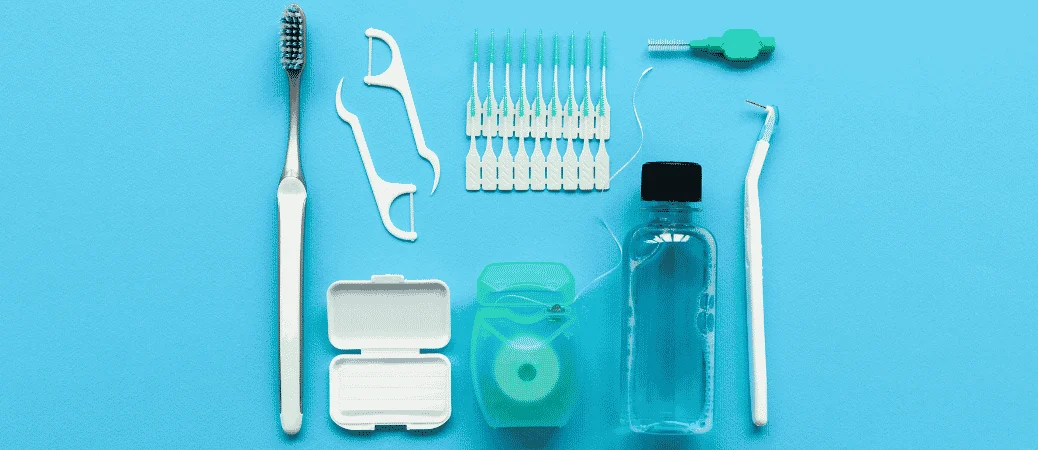
Regular floss will not work well under a bridge because it cannot get under the connected teeth. You need special tools instead.
Here are your best options:
- Floss threaders: These have a stiff end that helps you guide floss under the pontic.
- Interdental brushes: Small brushes that fit between teeth and under the bridge to remove food and plaque.
- Water flossers: These use a steady stream of water to flush out debris in hard-to-reach spots.
Water flossers are especially helpful because they clean gently but effectively without much effort.
Many dentists recommend using a water flosser daily along with brushing to keep the area under your bridge free of buildup.
Recognizing Warning Signs That Need Prompt Care
Your bridge and the teeth around it can send warning signs when something is wrong. Catching these early can prevent bigger issues down the road.
Watch for these signs:
| Warning Sign | What It May Mean |
| Bad breath that won’t go away | Bacteria buildup under the bridge |
| Bleeding or swollen gums | Early gum disease |
| Sensitivity to hot or cold | Possible tooth decay under a crown |
| Looseness when you bite | The bridge may be shifting |
| Dark spots near the gumline | Decay forming at the edges |
If you notice any of these signs, contact your dentist promptly. Waiting too long can turn a small fix into a much bigger repair.
Keeping Regular Exams and Professional Cleanings
Even with great home care, you still need regular dental visits. Your dentist can spot problems that you cannot see or feel on your own.
During checkups, your dentist will look closely at your dental restoration for signs of wear, cracks, or shifting.
They will also check the gum tissue and bone around your abutment teeth for early signs of trouble.
Cleanings remove hardened plaque that brushing and flossing miss. This is especially important around a bridge, where buildup tends to collect more easily.
Most people need checkups every six months, though your dentist may suggest more frequent visits if you have a history of gum disease or tooth decay.
Frequently Asked Questions
If you’re dealing with a bridge that’s over a decade old, you probably have questions about what comes next and why things feel more complicated this time around.
Here are answers to the questions people ask most often about aging bridges and their replacement options.
Why do dental bridge replacement options become more limited after 12 years?
Your gums and jawbone change over time, even if you don’t notice it day to day.
After 12 years, the teeth holding your bridge in place (called abutment teeth) have likely dealt with extra stress from chewing for over a decade.
This can weaken them or cause the bone around them to shrink a little.
When that happens, some replacement options that worked the first time, like using the same teeth again, may no longer be strong enough to support a new bridge.
Can a failing dental bridge be repaired, or does it need to be replaced?
It depends on what’s actually wrong. A loose bridge that can be recemented is often an easy fix that doesn’t require starting over.
But if there’s decay under the crown, a cracked framework, or damage to the teeth underneath, your dentist may recommend a full replacement instead.
Small problems caught early are usually easier and cheaper to fix than problems that have been ignored for a while.
What are the most common reasons a dental bridge fails after 10 to 15 years?
A few issues tend to show up again and again in bridges this age. Decay at the edges of the crown is one of the biggest culprits, since it can sneak in where the crown meets your natural tooth.
Other common causes include:
- Weakened cement that no longer holds the bridge tightly in place
- Gum recession that exposes parts of the tooth the bridge wasn’t designed to cover
- Grinding or clenching at night, which puts extra pressure on the bridge
- Gum disease around the supporting teeth, which can loosen them over time
How many times can the same dental bridge be replaced?
There’s no fixed number, but there is a practical limit. Every time a bridge is replaced, your dentist typically has to work with teeth that have already been shaped and reduced once before.
After a few rounds of this, there may not be enough healthy tooth structure left to support another crown.
At that point, your dentist might suggest a different approach altogether, rather than trying to rebuild the same bridge again.
What happens if the teeth supporting a dental bridge are damaged or decayed?
This is often the moment where things get more complicated. If an abutment tooth develops serious decay or infection, your dentist may need to treat it with a root canal or, in some cases, remove it entirely.
Losing a supporting tooth changes your options quite a bit. It usually means the old bridge can’t simply be replaced with a similar one, since there’s no longer a strong tooth on that side to hold it up.
Could dental implants be an option after a bridge fails?
Yes, and for many people this is exactly when implants start to make sense. Unlike a bridge, an implant doesn’t rely on your neighboring teeth for support since it’s anchored directly into your jawbone.
This can actually protect the health of your other teeth going forward.
Your dentist will need to check that you have enough healthy bone first, and if not, a bone graft might be part of the plan before the implant can be placed.