Dental implant surgery is generally safe and effective, but like any procedure, it can present challenges. Understanding potential implant surgery problems and knowing what steps to take if issues arise can help you protect your smile and recovery. In this post, the experts at Dr. Implant in Miami, Florida, provide guidance on recognizing warning signs, addressing complications, and maintaining optimal implant health.
How Dental Implants Work
A dental implant replaces a missing tooth with three main components: a titanium post that fuses with the jawbone, an abutment that connects the post to the crown, and a custom restoration that functions like a natural tooth. The success of the implant depends on the osseointegration process, where bone grows around the titanium post to create a stable foundation. When this process is disrupted or delayed, problems can occur.
Common Red Flags After Implant Surgery
Recognizing implant surgery problems early can make a big difference. Some common red flags include:
Pain or swelling that does not improve over several days
Some discomfort and swelling are the most common problems after implant surgery, but these symptoms should gradually improve within a few days. If pain intensifies or swelling persists, it could indicate an underlying issue with healing, bone integration, or irritation around the implant site.
Loose or wobbly implants
A dental implant should remain firmly in place after it is installed. Any movement or wobbling is a warning sign that osseointegration, the process where the implant fuses with your jawbone, may not be occurring properly. Loose implants can lead to discomfort, difficulty chewing, and eventual failure if not addressed promptly.
Signs of infection, such as persistent redness, bleeding, or discharge
While mild irritation can be normal, persistent redness, unusual bleeding, or any discharge from the implant site may indicate an infection. Infections can compromise the stability of the implant and surrounding tissue, so immediate treatment with your dentist is essential. Early intervention can often prevent more invasive procedures.
Unusual numbness or tingling in the gums, lips, or chin
Temporary numbness can occur due to anesthesia or minor nerve irritation during surgery. However, lingering or worsening numbness, tingling, or a “pins and needles” sensation could signal nerve involvement or damage. Any unusual sensations should be evaluated quickly to prevent long-term issues.
Risk Factors That Can Increase Complications
While most dental implant procedures succeed, certain factors may increase the likelihood of implant surgery problems. These include:
- Ongoing medical treatments or medications that affect healing
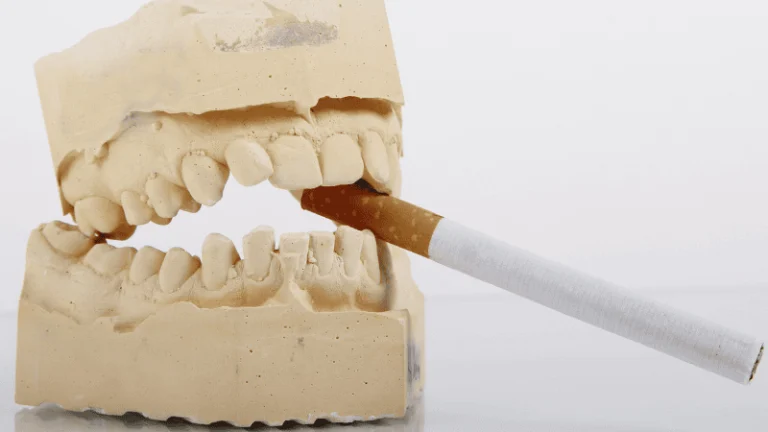
- Smoking can reduce blood flow and slow recovery
- Gum disease, bruxism, or other conditions that compromise bone or tissue
- Low bone density or osteoporosis, which can interfere with osseointegration
Discussing your medical history and lifestyle habits with your dentist before surgery allows for better planning and can help reduce risks.
What to Do if Your Implant Fails
If your implant feels loose or is causing discomfort, schedule an appointment with your dentist immediately. A failed implant may need to be removed under local anesthesia. In some cases, a bone graft may be required to restore bone density before a new implant can be placed. Your dentist will also provide guidance to lower your risk of future issues, such as adjusting medications, postponing elective dental procedures, or making lifestyle changes like quitting smoking.
Preventing Problems with Implant Surgery
Proactive care can help prevent common complications. Key strategies include:
- Following your dentist’s aftercare instructions carefully
- Maintaining excellent oral hygiene with regular brushing, flossing, and antibacterial rinses
- Attending follow-up appointments to monitor healing and bone integration
- Wearing a mouthguard if you grind your teeth to protect the implant
Being informed and proactive helps ensure your implant heals properly and functions as intended.

Long-Term Maintenance for Dental Implants
Once your implant has fully integrated, long-term care is similar to natural teeth. Regular dental checkups, professional cleanings, and consistent oral hygiene are critical to prevent gum disease and preserve bone support. Proper care helps you maintain a healthy, fully functional smile for many years.
Final Thoughts
Dental implant surgery problems are uncommon, but it is important to recognize the warning signs and know the appropriate steps to take if issues arise. By staying vigilant, maintaining excellent oral hygiene, and following your dentist’s instructions, you can reduce the risk of complications and ensure your implant provides long-lasting results. At Dr. Implant, our team is dedicated to supporting patients throughout every stage of the process, from planning to recovery, ensuring the best possible outcome for your smile. Reach out to talk with one of our specialists in Miami, Florida, if you have any more concerns regarding problems after implant surgery.