Losing a tooth might not seem urgent at first, especially if it’s not visible when you smile or is not causing pain. Many people put off replacement because of cost, time, or uncertainty about treatment.
But waiting too long can quietly trigger problems you won’t notice right away.
When you delay replacing a missing tooth, your jawbone begins to shrink, surrounding teeth start to shift out of place, and your bite can become misaligned. These changes happen gradually over months and years.
What seems like a minor gap today can turn into a more complicated situation that requires extra treatment later.
The good news is that understanding the consequences of delaying tooth replacement helps you make better decisions about your dental health.
Whether you lost a tooth recently or years ago, knowing the effects of delay can help you figure out your next steps and avoid bigger issues down the road.
Key Takeaways
- Delaying tooth replacement causes bone loss, teeth shifting, and bite problems that worsen over time
- The longer you wait, the more complex and expensive the treatment becomes due to the needed corrections
- Replacing missing teeth promptly protects your oral health, appearance, and prevents future complications
Immediate Effects of Delaying Tooth Replacement
When you lose a tooth, your mouth begins adapting right away. The surrounding teeth start moving within weeks, and your bite can shift in ways that affect how you chew and speak.
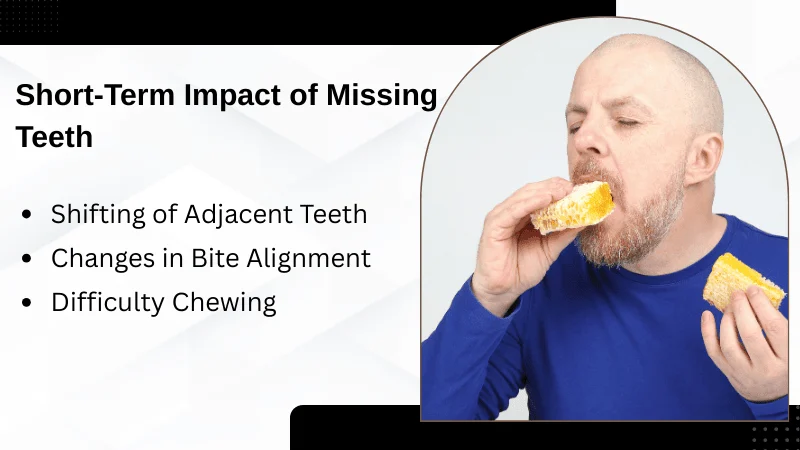
Shifting of Adjacent Teeth
Your teeth rely on each other to stay in place. When you have a gap, the teeth next to it begin drifting toward the empty space. This movement can start happening within a few weeks of tooth loss.
The teeth on either side may tilt inward, while the tooth above or below the gap can start to erupt further out of the gum.
You might not notice these changes at first, but over time they create crowding and spacing issues throughout your mouth. Your once-straight smile can become uneven or crooked.
This shifting makes it harder to clean between your teeth properly. Food particles get trapped more easily in the new gaps and angles, which increases your risk of cavities and gum disease.
Changes in Bite Alignment
Your bite depends on all your teeth working together as a unit. When one tooth goes missing, the way your upper and lower teeth meet changes immediately. You might notice that your jaw doesn’t close the same way it used to.
Bite problems from a missing tooth can cause uneven pressure on your remaining teeth. Some teeth end up doing more work than they should, which wears down the enamel faster.
You may develop jaw pain, tension headaches, or soreness in your face muscles from the misalignment.
The longer your bite stays off balance, the more your jaw compensates with irregular movement patterns that become harder to correct later.
Difficulty Chewing
Losing a tooth changes how well you can break down food. You’ll likely start avoiding certain foods that are harder to chew, especially crunchy vegetables, tough meats, or chewy bread.
Most people unconsciously begin chewing only on one side of their mouth to avoid the gap.
This one-sided chewing puts extra strain on those teeth and can accelerate wear on that side. Your digestion may also suffer because you can’t chew food into small enough pieces before swallowing.
You might notice that meals take longer or become less enjoyable when you have to work around the missing tooth.
Don’t let a missing tooth lead to bigger problems. Our team of implant specialists can help you avoid bone loss, shifting teeth, and bite misalignment. Contact us today to talk to an expert.
Long-Term Consequences for Oral Health
When you leave a missing tooth unreplaced, your mouth undergoes changes that can permanently affect your dental health.
The jawbone begins to deteriorate without tooth root stimulation, gums start to recede, and remaining teeth face increased stress that can lead to additional loss.
Bone Loss in the Jaw
Your jawbone needs constant stimulation from tooth roots to maintain its density and strength. When you lose a tooth, that area of bone no longer receives this stimulation.
Bone loss can begin as soon as six months after tooth loss. The bone tissue starts to resorb, meaning your body breaks it down and absorbs it elsewhere. This process happens gradually but continuously.
Over time, this deterioration can change your facial structure. Your jaw may appear sunken or aged as the bone shrinks. The bone loss also makes future dental treatments more complicated and expensive.
If you eventually decide to get a dental implant, you might need bone grafting first to rebuild the lost tissue.
The severity of bone loss increases the longer you wait. Within the first year, you can lose up to 25% of bone width in the area of the missing tooth.
Gum Recession
Missing teeth create gaps where food particles and bacteria can accumulate more easily. This buildup affects the gum tissue around neighboring teeth.
Your gums may start pulling away from nearby teeth as they lose support structure. Gum deterioration becomes more likely when teeth shift into empty spaces, creating uneven pressure on gum tissue.
Receding gums expose tooth roots, which increases sensitivity to hot and cold temperatures.
The exposed roots are also more vulnerable to decay since they lack the protective enamel coating that covers tooth crowns. Once gums recede, they typically don’t grow back on their own.
Increased Risk of Further Tooth Loss
Adjacent teeth may shift into the gap left by your missing tooth. This movement creates misalignment throughout your mouth.
When teeth shift out of position, they become harder to clean properly. Food gets trapped in new gaps and angles that didn’t exist before. Your bite also changes, placing uneven pressure on certain teeth.
This increased stress causes remaining teeth to wear down faster. Teeth that weren’t designed to handle extra chewing force may crack, chip, or loosen.
The combination of poor alignment, difficult cleaning, and excessive wear creates conditions where you’re more likely to lose additional teeth.
Your risk of tooth decay and gum disease rises significantly. Misaligned teeth are up to three times harder to keep clean with regular brushing and flossing.
Impact on Appearance and Confidence
A missing tooth changes how your face looks and how you sound when you speak. These changes can make you feel less confident in social situations and affect how others see you.
Facial Structure Changes
When you lose a tooth, your jawbone no longer gets the stimulation it needs from chewing. Bone loss can start within just a few months after tooth loss.
As the bone shrinks, your face can start to look different. The area around your cheeks and mouth may appear sunken or hollow. This gives you an older appearance that doesn’t match your actual age.
Your lips may also lose support and appear thinner or more wrinkled. The longer you wait to replace the tooth, the more bone you lose and the more noticeable these changes become.
Common facial changes include:
- Sunken cheeks
- A collapsed look around the mouth
- Deeper wrinkles near the lips
- A shorter distance between your nose and chin
Studies show that tooth loss is associated with lower self-esteem and higher rates of social isolation. You might feel embarrassed about how you look and start avoiding photos or social events.
Speech Difficulties
Your teeth play a key role in how you form words and sounds. When a tooth is missing, especially in the front of your mouth, it affects your ability to speak clearly.
Pronunciation may become difficult, and certain sounds like “s,” “th,” and “f” can be hard to say correctly. You might notice a slight whistle or lisp when you talk.
Air can escape through the gap where your tooth used to be. This changes how sounds come out of your mouth. Others may have trouble understanding you, which can be frustrating during conversations.
These speech problems can make you self-conscious at work or in social settings. You might start speaking more quietly or avoid talking in groups. People with missing teeth often feel self-conscious about their smile, which impacts social interactions and mental health.
Worried about how long you’ve waited? Schedule your visit, and we’ll assess your bone health, discuss your risks, and create a treatment plan tailored to your needs.
Potential Health Complications
Delaying tooth replacement creates health problems that go beyond your mouth. The gap in your smile can lead to gum infections and make it harder for your body to get the nutrients it needs from food.
Higher Risk of Gum Disease
When you lose a tooth, the empty space becomes a trap for food particles and bacteria. These areas are hard to clean with regular brushing and flossing.
Bacteria build up along the gum line and cause inflammation. Your gums might become red, swollen, or bleed when you brush.
Not replacing missing teeth can lead to gum disease that spreads to other teeth. The infection can destroy the bone and tissue that hold your teeth in place.
As nearby teeth shift into the gap, they create tight spaces that trap even more food. These new hiding spots make gum disease worse over time.
Warning signs of gum disease include:
- Red or swollen gums
- Bleeding when brushing or flossing
- Bad breath that won’t go away
- Gums pulling away from teeth
Possible Nutritional Deficiencies
Missing teeth make it harder to chew certain foods properly. You might start avoiding tough foods like meat, raw vegetables, and fresh fruits because they’re too difficult to break down.
Failing to replace missing teeth diminishes the ability to chew food properly, which can lead to nutritional problems. When you can’t chew well, you may not get enough protein, fiber, and vitamins from your diet.
Your body needs these nutrients to stay healthy and strong. Poor nutrition can lead to weight loss, weak bones, and a weaker immune system.
Some people switch to softer, processed foods that are easier to eat. These foods often have less nutritional value and more sugar or unhealthy fats.
Why Timely Tooth Replacement Matters
When you replace a missing tooth quickly, you protect your ability to eat and speak normally while preventing health problems that can affect your whole body. Acting fast saves you from more complicated dental work later.
Preserving Oral Function
Your teeth work together as a system. When one tooth goes missing, the others start to shift into the empty space.
This movement changes how your upper and lower teeth fit together when you bite. Bite problems can make chewing difficult and uncomfortable.
The teeth next to the gap may tilt or drift. The tooth above or below the missing one can grow longer into the empty space. These changes make it harder to clean between your teeth properly.
Your jawbone needs pressure from tooth roots to stay strong. Without this pressure, the bone starts to shrink away. Bone loss happens quickly in the first year after tooth loss.
A weaker jawbone makes future tooth replacement more complex and expensive. You might need bone grafting before getting implants if you wait too long.
Protecting Overall Health
Missing teeth affect more than just your mouth. Gaps in your smile can make you feel self-conscious about talking or laughing around others.
Gum disease becomes more likely when teeth shift, creating spaces that trap food and bacteria. This infection in your gums can spread to other parts of your body through your bloodstream.
When you can’t chew properly, you may avoid healthy foods like raw vegetables and lean meats. Poor nutrition impacts your energy levels and overall health.
Changes to your facial structure can occur as bone loss progresses. Your cheeks may look sunken and your face can appear older than your actual age.
Replacing your tooth promptly helps you maintain proper nutrition. You’ll be able to eat a balanced diet without pain or difficulty. The longer you wait, the more health complications you risk developing.
Tooth Replacement Options and Next Steps
If you’re missing a tooth, you have several proven ways to fill the gap and restore your smile. Each option offers different benefits depending on your budget, timeline, and oral health needs.
Dental Implants
Dental implants are the most complete tooth replacement option available. A titanium post is surgically placed into your jawbone, where it fuses with the bone over several months.
Once healed, a custom crown is attached to the post.
This approach replaces both the visible tooth and the root beneath your gums.
The implant stimulates your jawbone when you chew, which prevents bone loss that happens when teeth are missing and improves your oral health.
Dental implants remain the gold standard for replacing a single tooth, even if significant time has passed since you lost it.
Understanding the step-by-step dental implant procedure is important, as the treatment does require adequate bone density and a longer timeline than some alternatives—but the result is a permanent, natural-feeling tooth.
Bridges
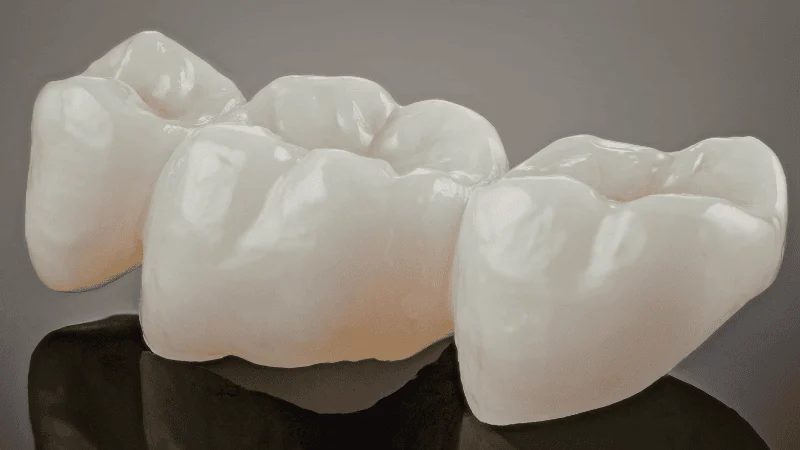
A dental bridge uses the teeth on either side of the gap to support a false tooth in between. Your dentist reshapes the adjacent teeth and places crowns over them to hold the bridge in place.
For patients seeking the strongest, most lifelike option, a zirconia fixed bridge offers unmatched durability and a seamless appearance
Bridges restore your ability to chew properly and look natural when you smile. The procedure typically takes two to three visits and costs less than implants.
The main drawback is that healthy teeth next to the gap must be filed down to support the bridge. Bridges also don’t prevent bone loss in the jaw because they sit on top of your gums rather than in the bone.
They usually last 5 to 15 years before needing replacement.
Partial Dentures
Partial dentures are removable appliances that replace one or more missing teeth. They attach to your remaining natural teeth with metal clasps or precision attachments.
This option works well if you’re not ready for implants or need an affordable solution quickly. You can remove them for cleaning and sleeping. Modern partial dentures look realistic and restore basic chewing function.
They do require an adjustment period as you get used to wearing them. Partial dentures may feel less stable than other options and need replacement every 5 to 8 years as your mouth shape changes.
Stop delaying and get expert care close to home. Visit us in Miami, Pembroke Pines, or Delray Beach to protect your oral health and restore your confident smile. Find our nearest clinic and get your tooth assessed!
Frequently Asked Questions
Missing teeth create a chain reaction in your mouth that affects bone health, tooth alignment, and daily activities like eating and speaking. These changes can start within months and become more complex over time.
What are the risks of not replacing a missing tooth in a timely manner?
When you don’t replace a missing tooth, your jawbone begins to deteriorate because it no longer receives stimulation from chewing. This process, called bone resorption, can start just a few months after tooth loss.
Your surrounding teeth will start to shift into the empty space. This movement causes bite problems and can make your teeth crooked or tilted.
Delaying tooth replacement can also lead to gum deterioration in the affected area. The longer you wait, the more extensive your treatment needs become.
Can delaying tooth replacement impact your overall oral health?
Yes, waiting to replace a missing tooth affects your entire mouth. The teeth next to the gap lose stability as the bone weakens beneath them.
You may develop an increased risk of gum disease in the area where the tooth is missing. Food particles can get trapped more easily in the space, making it harder to keep the area clean.
Problems with your bite alignment can lead to uneven wear on your remaining teeth. This puts extra stress on certain teeth and can cause jaw discomfort or tension headaches.
What might happen if you don’t replace a lost tooth for a long time?
Over time, the bone loss in your jaw can change the shape of your face. Your cheeks may appear sunken, and the area around your mouth can look different.
You might notice changes in how you speak. Certain sounds become harder to pronounce clearly, especially if the missing tooth was in the front of your mouth.
The teeth on either side of the gap can become loose as they lose bone support. This increases your risk of losing additional teeth down the road.
Are there any consequences for chewing and digestion if you don’t replace a missing tooth?
Missing teeth make it harder to chew food properly. You’ll likely start favoring one side of your mouth without even realizing it.
When you can’t chew food thoroughly, larger pieces enter your digestive system. This can make digestion less efficient and affect how well your body absorbs nutrients.
You may find yourself avoiding certain foods that are difficult to chew. This can limit your diet and affect your nutrition over time.
How does not replacing a missing tooth affect the surrounding teeth?
Your teeth work together to maintain their positions. When one tooth is missing, the teeth on either side begin moving toward the empty space.
The tooth above or below the gap can also start to drift out of its socket. This happens because it no longer has an opposing tooth to bite against.
These shifting teeth can become crowded or develop gaps in unexpected places. The changes to your bite often require orthodontic treatment to correct.
Is it possible for the jawbone to change if you wait too long to replace a missing tooth?
Your jawbone needs the stimulation from tooth roots to stay strong and maintain its density. Without this stimulation, the bone in that area begins to shrink.
The bone loss can become severe enough that you’ll need bone grafting before you can get a tooth replacement. This adds time and cost to your treatment.
As your jawbone changes shape, it can alter your facial structure. This makes you look older than your actual age, particularly around the lower part of your face.