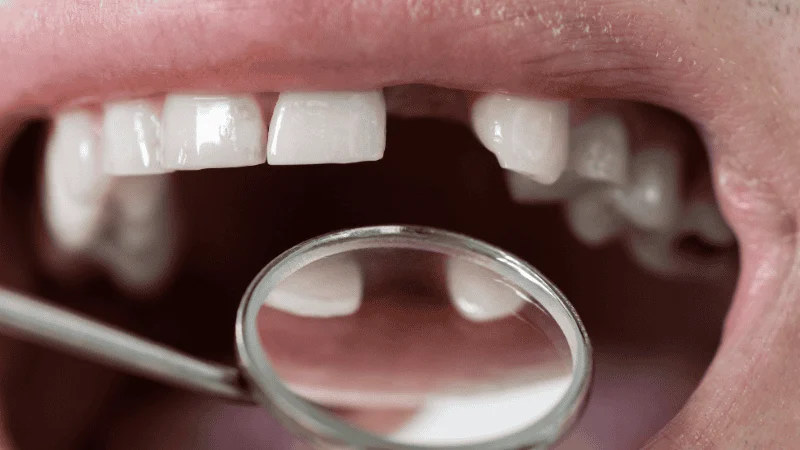
Missing multiple teeth affects more than just your smile. It can make eating difficult, change how you speak, and impact your confidence in social situations.
The good news is that modern dentistry offers several effective ways to restore your teeth and get back to normal life.
The best tooth replacement option for multiple missing teeth depends on your specific situation, but dental implants, bridges, and dentures are the three main solutions that can restore both function and appearance.
Dental implants provide the most durable and natural-looking results, while bridges work well for replacing a few teeth in a row, and dentures offer an affordable option when many teeth are missing. Each choice has different benefits, costs, and requirements.
Choosing the right option means understanding what each treatment involves and how it fits your budget, lifestyle, and dental health.
This guide walks you through effective options for replacing missing teeth so you can make an informed decision with your dentist about restoring your smile.
Key Takeaways
- Multiple missing teeth can be replaced with implants, bridges, or dentures depending on your needs and budget
- Dental implants offer the most permanent solution while dentures provide the most affordable option for extensive tooth loss
- Working with your dentist to evaluate your specific situation helps determine which replacement method will work best for you
Get complete smile restoration across Miami, Pembroke Pines, and Delray Beach, FL today.
Why Replacing Multiple Missing Teeth Is Essential
Missing multiple teeth creates problems that go beyond appearance. Your jawbone starts to shrink without tooth roots, nearby teeth shift out of place, and daily activities like eating and speaking become harder.
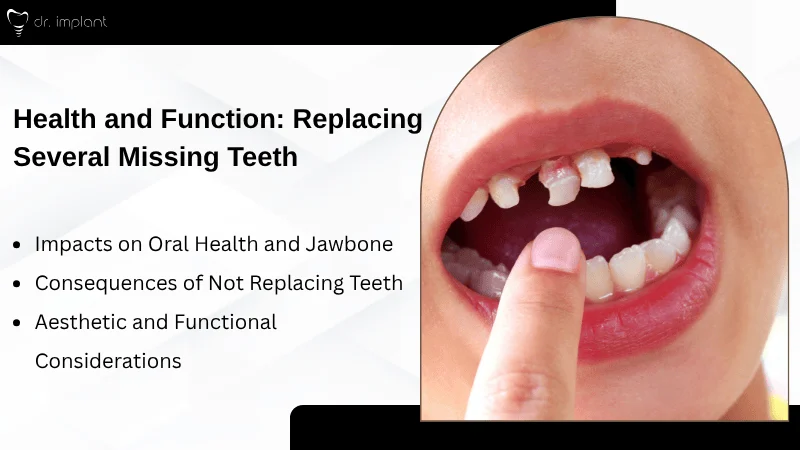
Impacts on Oral Health and Jawbone
When you lose multiple teeth, your jawbone no longer receives the stimulation it needs from tooth roots. This causes bone resorption, where the bone gradually shrinks and weakens.
The bone loss happens quickly in the first year after tooth loss. Your jawbone can lose up to 25% of its width within just the first 12 months. This shrinkage continues over time and becomes harder to reverse.
Without enough bone density, your facial structure changes. Your cheeks may appear sunken, and your chin can look more pointed. These changes often make people look older than they are.
The weakened bone also makes it more difficult to replace missing teeth later. You might need bone grafting procedures before getting dental implants, which adds time and cost to treatment.
Consequences of Not Replacing Teeth
Your remaining teeth start shifting into the empty spaces left by missing teeth. This movement causes crowding, gaps, and bite problems that affect how your upper and lower teeth fit together.
The shifting teeth become harder to clean properly. Food gets trapped in new spaces, increasing your risk of cavities and gum disease. Your oral health declines as bacteria build up in areas you can’t reach with regular brushing.
Chewing becomes difficult when you’re missing several teeth. You may avoid certain foods like raw vegetables, nuts, or meat. This limited diet can lead to nutritional problems and digestive issues since you can’t chew food thoroughly.
Your speech may also change. Missing teeth affect how you pronounce certain sounds, especially those that require your tongue to touch your teeth.
Aesthetic and Functional Considerations
Multiple missing teeth significantly impact your appearance and confidence. You might feel self-conscious about smiling, laughing, or speaking in social situations.
The functional problems affect your daily life in practical ways. Eating out becomes stressful when you worry about which foods you can manage. Speaking clearly at work or in conversations requires extra effort.
Your facial muscles work harder to compensate for missing teeth. This extra strain can cause jaw pain, headaches, and temporomandibular joint (TMJ) problems. The aesthetic and functional issues worsen the longer you wait to replace missing teeth.
Visit our clinic to restore multiple missing teeth with advanced solutions.
Dental Implants for Multiple Missing Teeth
Dental implants offer a permanent solution that acts like natural tooth roots, supporting various types of replacement teeth depending on how many you’ve lost.
They provide stability that traditional dentures can’t match and help prevent bone loss in your jaw.
Benefits of Dental Implants
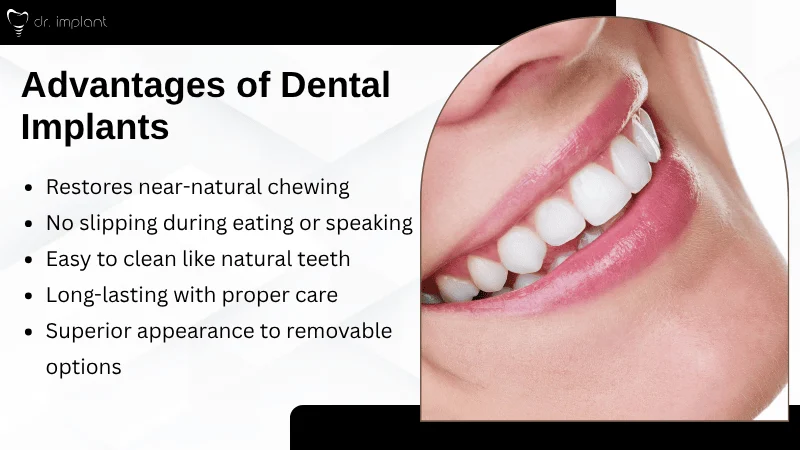
Dental implants preserve your jawbone by stimulating it just like natural tooth roots do. When you lose teeth, the bone underneath starts to shrink, but implants stop this process.
They don’t require grinding down healthy teeth like bridges do. Each implant stands on its own without affecting your other teeth.
Key advantages include:
- Natural chewing function restored to near-normal levels
- No slipping or movement when you eat or speak
- Easy cleaning similar to natural teeth
- Can last decades with proper care
- Better appearance than removable options
Implant-supported bridges and implant-supported dentures feel more secure than traditional removable options. You won’t need adhesives or worry about your replacement teeth shifting during meals.
Candidacy for Implants and Required Bone Health
You need adequate bone volume and density for standard implants to succeed. Your dentist will use 3D imaging to check if you have enough bone in the areas where teeth are missing.
If you’ve experienced bone loss, you might need a bone graft before getting implants. This procedure adds material to rebuild the area and typically requires 3-6 months of healing.
Factors affecting candidacy:
- Gum disease must be controlled first
- Uncontrolled diabetes can affect healing
- Smoking reduces success rates
- Certain medications may delay bone integration
Most healthy adults qualify for multiple tooth implant treatment. Your dentist will review your medical history and take scans to create a safe treatment plan.
All-on-4 and All-on-4 Dental Implants
All-on-4 dental implants replace an entire arch of teeth using just four strategically placed implants. This approach works well when you’re missing most or all teeth in your upper or lower jaw.
The technique angles back implants to avoid areas with less bone. You often get temporary teeth the same day as surgery, so you don’t leave without teeth.
All-on-4 costs less than placing individual implants for every missing tooth. Treatment time is shorter because you need fewer surgical sites to heal.
This full-arch implant solution restores full chewing function within a few months. The final prosthesis is fixed in place and only your dentist can remove it for maintenance.
Mini Dental Implants and Other Variations
Mini dental implants are narrower than standard implants and work well in areas with limited space or thinner bone. They’re often used to stabilize lower dentures that keep moving around.
The placement procedure is less invasive and healing time is shorter. Mini implants cost less per unit but may not handle heavy chewing forces as well as regular-sized implants.
When mini implants make sense:
- Stabilizing loose lower dentures
- Replacing smaller teeth like lower incisors
- Areas where bone width is limited
- Patients who want less invasive surgery
Some situations require specialized implants like zygomatic implants that anchor into your cheekbone when upper jaw bone is severely limited. These advanced options help patients who might otherwise need extensive bone grafting.
Schedule your consultation to find the best option for multiple missing teeth today.
Dental Bridges: Types and Suitability
Different bridge designs work better for replacing multiple teeth depending on where the gap is and how many healthy teeth you have nearby.
The strength of your jawbone and the condition of surrounding teeth help determine which option fits your needs.
Traditional Bridge and Cantilever Bridge
A traditional bridge uses dental crowns on both sides of the gap to hold one or more pontics in place. Your dentist shapes the teeth next to the missing ones and places crowns over them to anchor the bridge.
This design works well when you have strong, healthy teeth on each side of the gap.
Traditional bridges can replace several teeth in a row. The pontics fill the space while the dental crowns distribute chewing forces across multiple teeth. You need good bone support and healthy gums for this option to last.
A cantilever bridge attaches to teeth on only one side of the gap. Dentists use this design when you have teeth on just one side or when the gap sits at the end of your tooth row.
This option puts more stress on the supporting teeth, so it works best for front teeth where bite pressure stays lower.
Implant-Supported Bridges for Replacing Multiple Teeth
Implant-supported bridges use dental implants instead of natural teeth for support. Your dentist places implants into your jawbone at certain points along the gap. After the implants heal and bond with the bone, a fixed dental bridge attaches on top.
This option can replace three or more missing teeth without putting stress on your natural teeth. Each implant acts like an artificial root that holds the bridge steady. You need enough bone density and healthy gums to support the implants.
The process takes several months because the implants must fuse with your jawbone first. Once complete, implant bridges feel stable and help protect your bone from shrinking over time.
Maryland Bridge and Resin-Bonded Bridge
A Maryland bridge uses thin metal or porcelain wings that bond to the back of nearby teeth. This resin-bonded bridge requires less tooth removal than traditional bridges because your dentist does not need to place full crowns.
Maryland bridges work best for front teeth where bite forces stay light. They typically replace one or two teeth rather than multiple missing teeth. The wings can loosen over time, especially in areas where you chew harder foods.
This option preserves more of your natural tooth structure. You might choose it when your surrounding teeth are healthy and you want a less invasive treatment.
Dentures and Partial Dentures as Tooth Replacement Options
Dentures offer a tried-and-true way to replace multiple missing teeth, with options ranging from traditional removable designs to modern implant-supported versions. The right choice depends on how many teeth you’re missing and your preferences for stability and comfort.
Removable Partial Denture Benefits
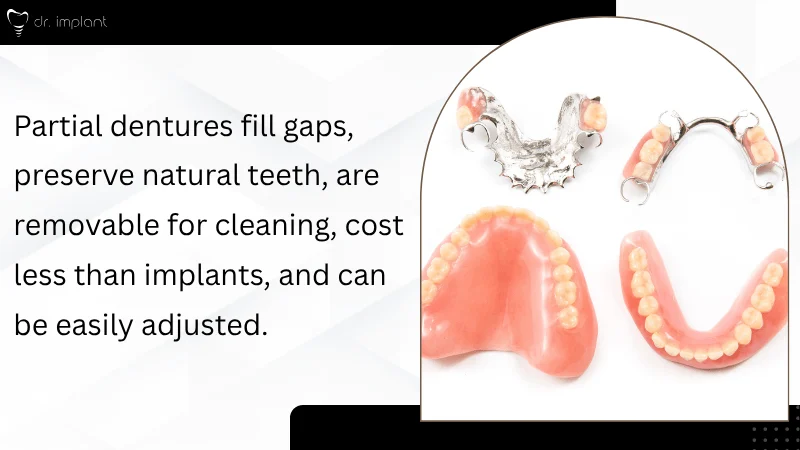
A removable partial denture works well when you still have some natural teeth left in your mouth. This option fills in the gaps where teeth are missing while keeping your remaining healthy teeth in place.
Partial dentures attach to your existing teeth using metal clasps or precision attachments. The replacement teeth sit on a gum-colored base that matches your natural gum tissue.
You can take them out for cleaning and sleeping, which makes maintenance simple.
These dentures cost less than other replacement options like dental implants. They also help prevent your remaining teeth from shifting out of position. The treatment process is faster than implants since you don’t need surgery or lengthy healing periods.
One key advantage is that your dentist can easily adjust removable partial dentures as your mouth changes over time. This flexibility makes them a practical choice for many people dealing with tooth loss.
Full Dentures vs. Partial Dentures
The main difference between these two options comes down to how many teeth you need to replace. Full dentures replace all teeth in your upper or lower jaw, while partial dentures only replace some missing teeth.
Complete dentures rest directly on your gum tissue and jawbone. They cover your entire upper or lower arch and may need denture adhesive to stay secure. Full dentures take more time to get used to, especially when eating and speaking.
Partial dentures are more stable because they anchor to your natural teeth. They feel more natural during daily activities since they don’t cover as much of your mouth. You keep your healthy teeth, which helps maintain your jaw structure better.
Full dentures typically cost more than partials because they involve more extensive work and materials. However, if you’ve lost most or all of your teeth, a complete denture provides full mouth coverage that restores your smile and ability to eat properly.
Implant-Supported Dentures: Enhanced Stability
Implant-supported dentures combine the coverage of traditional dentures with the stability of dental implants. Small titanium posts are placed in your jawbone to hold the denture firmly in place.
This option eliminates the need for messy adhesives and prevents your dentures from slipping while you eat or talk. The implants keep your denture secure, so you can bite and chew with more confidence than conventional removable dentures allow.
You’ll need enough healthy jawbone to support the implants. The process requires surgery and several months of healing before the final denture attaches.
The upfront cost is higher than traditional dentures, but many people find the improved stability worth the investment.
Implant-supported dentures also help preserve your jawbone because the implants stimulate bone growth just like natural tooth roots do.
Overdentures, Snap-On Dentures, and Flipper Teeth
Overdentures are removable dentures that snap onto dental implants or attach to remaining tooth roots. They offer more stability than regular dentures but still allow you to remove them for cleaning.
Snap-on dentures use special attachments that click into place on implants or a metal bar. You can pop them in and out yourself, giving you the best of both worlds between fixed and removable options.
They’re more secure than traditional dentures but easier to clean than permanent implants.
Flipper teeth serve as a temporary partial denture, usually replacing one or two front teeth. This lightweight option is the most affordable and can be made quickly.
However, it’s less durable and meant as a short-term solution while you wait for a permanent replacement.
Each of these options has different costs, stability levels, and maintenance needs. Your dentist can help you decide which type fits your lifestyle and budget best.
Orthodontic Strategies for Addressing Gaps
When you have gaps from missing teeth, orthodontic treatment can reposition your remaining teeth to either close the spaces or prepare your mouth for tooth replacements.
These strategies help maintain proper alignment and prevent your teeth from shifting into unwanted positions.
Orthodontic Space Closure
Orthodontic space closure works best when you’re missing smaller teeth or have gaps that can be eliminated by moving adjacent teeth together. This approach is especially effective for missing lateral incisors or premolars.
Your orthodontist gradually shifts the surrounding teeth into the empty space. This eliminates the need for dental implants, bridges, or other prosthetic replacements.
The process takes several months to complete, depending on the size of the gap and your specific dental situation. You’ll need regular adjustments to ensure your teeth move correctly and maintain a proper bite.
Benefits of space closure include:
- No need for artificial tooth replacements
- Lower long-term costs compared to implants
- Natural-looking results using your own teeth
- Improved bite alignment and jaw function
Braces and Clear Aligners

Braces for teeth gaps attach brackets to each tooth around the gap, using wires to gradually pull teeth together. Traditional metal braces offer precise control over tooth movement and work well for complex cases.
Clear aligners like Invisalign provide a less visible alternative. These removable, transparent trays shift your teeth into position over time.
Both options can close small gaps or create ideal spacing for future dental implants or bridges. Your orthodontist will work with your dentist to determine which approach fits your needs best.
Clear aligners offer more flexibility since you can remove them for eating and cleaning. Braces typically provide faster results for larger gaps or more complicated tooth movements.
How to Choose the Right Tooth Replacement Option for You
Picking the right tooth replacement depends on how well you can chew food, how easy it is to keep clean, how long it will last, and what fits your budget and lifestyle.
Chewing Power and Oral Hygiene Factors
Your ability to eat comfortably matters when you evaluate options for missing teeth. Dental implants give you the strongest chewing power because they connect directly to your jawbone like natural teeth. You can bite into firm foods without worry.
Bridges and dentures offer less biting strength. Traditional dentures can slip when you chew tough foods, which makes eating harder.
Keeping your mouth clean is easier with some options than others. Implants let you brush and floss normally. Tooth-supported bridges can trap food underneath, making them trickier to clean properly.
Dentures need to be removed daily for cleaning, which adds extra steps to your routine but makes them simple to keep sanitary.
Durability, Maintenance, and Longevity
Different tooth replacement options last for different amounts of time. Dental implants are the most durable choice and can last decades or even a lifetime with good care.
The titanium posts become part of your jawbone, creating a permanent foundation.
Implant-supported bridges also last many years because they have the same strong foundation. Traditional tooth-supported bridges typically last 10 to 15 years before needing replacement.
Dentures have the shortest lifespan and usually need to be replaced every five to 10 years. Your mouth shape changes over time, so dentures need adjustments to fit properly.
They’re easier to repair if damaged, but the ongoing replacements add up over the years.
Cost, Comfort, and Aesthetic Considerations
Budget plays a big role when you replace a missing tooth or multiple teeth. Dentures cost the least upfront but need regular replacements. Implants cost more initially but save money long-term because they rarely need replacement.
Comfort varies between options. Implants feel most natural because they don’t move or slip. Dentures can feel bulky at first and may cause sore spots until you adjust to them. Bridges stay fixed in place but might feel different from your natural teeth.
Appearance matters too:
- Implants look exactly like real teeth
- Fixed bridges blend in seamlessly with surrounding teeth
- Modern dentures look natural but may have visible clasps
- All options restore your smile better than gaps
Your lifestyle and personal preference should guide your final choice. Talk with your dentist about which option fits your needs best.
Frequently Asked Questions
People often have similar questions about cost, treatment types, and timing when considering options for multiple missing teeth.
The answers below address common concerns about affordability, implant alternatives, full mouth treatments, and how different solutions compare.
What are the most affordable methods for replacing multiple missing teeth?
Traditional dentures are typically the most budget-friendly option for replacing multiple teeth. They consist of artificial teeth attached to a gum-colored base that sits on your gums.
Removable partial dentures offer another affordable choice if you still have some natural teeth remaining. These use clasps to attach to your existing teeth and can fill in gaps throughout your mouth.
Flipper teeth provide the least expensive temporary solution. This lightweight acrylic device holds one or more artificial teeth and rests against nearby teeth or your palate while you wait for a permanent replacement.
Can you discuss alternatives to dental implants for restoring missing teeth?
Fixed bridges work well when you have healthy teeth on both sides of a gap. Your dentist places crowns on the adjacent teeth to support artificial teeth in between, creating a stable, non-removable restoration.
Maryland bridges offer a more conservative approach for front teeth. These use metal or porcelain wings bonded to the backs of neighboring teeth instead of requiring full crowns.
Complete dentures replace all teeth in your upper or lower jaw without surgery. While they may slip occasionally and require adhesives, they restore your ability to eat and speak at a lower cost than implants.
What do full mouth reconstruction options entail for those missing several teeth?
All-on-4 dental implants restore an entire arch using just four strategically placed implants. Two implants go in the front of your jaw while two are angled in the back to maximize stability.
This technique often allows you to receive a fixed set of teeth on the same day as your implant placement. Many patients can avoid bone grafting because of the angled positioning.
Implant-supported dentures use between two and six implants as anchors for a specialized denture. This approach provides better stability than traditional dentures while costing less than individual implants for each tooth.
What are the differences between partial dentures and bridges for single tooth replacement?
A fixed bridge permanently attaches to your mouth using the teeth on either side of the gap as anchors. You cannot remove it, and it requires grinding down healthy adjacent teeth to place crowns.
Removable partial dentures clip onto your remaining teeth and rest on your gums. You can take them out for cleaning and before bed, but the clasps may be visible when you smile.
Bridges typically feel more natural and stable during eating and speaking. Partial dentures cost less upfront but may feel bulky at first as you adjust to wearing them.
How are temporary tooth replacement solutions utilized while awaiting permanent fixtures?
Flipper teeth serve as a quick fix that fills the gap for appearance while you wait for an implant to heal. This lightweight acrylic plate holds artificial teeth and stays in place by resting against nearby teeth.
Temporary partial dentures can replace multiple teeth during the healing period after extractions. They maintain spacing and allow you to eat and speak more comfortably than having visible gaps.
Some dentists provide immediate temporary crowns on the same day as implant placement. These protect the surgical site and restore your smile while the implant fuses with your jawbone over several months.
Could you elaborate on the cost comparison of various teeth replacement techniques?
Dental implants have the highest upfront cost because they require surgery and multiple appointments over several months. However, they often last for life with proper care, making them cost-effective long-term.
Traditional dentures represent the most economical option for full-arch replacement. The process takes less time than implant-based solutions, though you may need replacements every five to seven years.
Fixed bridges fall in the middle price range between dentures and implants. Your choice depends on your budget, the number of missing teeth, and your jawbone health.