Losing a tooth can feel overwhelming, but modern dentistry offers options that might surprise you.
The possibility of an immediate dental implant after extraction depends on your specific case, but in many situations, you can get a dental implant placed during the same appointment your tooth is removed.
This approach saves time and helps preserve your jawbone and gum tissue.
Not every situation allows for immediate implant placement after extraction. Your dentist will assess factors such as bone health, infection status, and the condition of the extraction site.
Understanding when immediate placement works and when waiting is better will help you make the right choice for your smile.
The decision depends on your specific situation. This guide explains what makes someone a good candidate, how the procedure works, and what you can expect during recovery.
Key Takeaways
- Dental implants can sometimes be placed right after tooth extraction during the same visit
- Good candidates typically have healthy surrounding bone and no active infection at the extraction site
- Most patients wait 8-12 weeks after extraction if immediate placement isn’t possible
What Is Immediate Dental Implant Placement?
Immediate implant placement combines tooth removal and implant insertion into a single procedure.
This approach differs from traditional methods that require months of waiting between extraction and implant surgery.
Definition of Immediate Placement
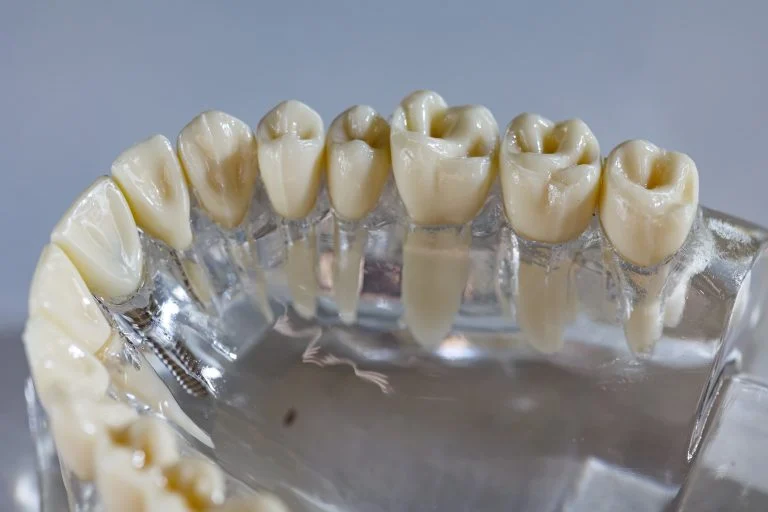
Immediate implant placement is a dental procedure where your dentist places a dental implant into your jaw socket right after removing your tooth.
Instead of waiting several months for the extraction site to heal, the implant goes in during the same appointment.
The procedure works by inserting the implant root into the freshly vacated socket. Your dentist removes the damaged tooth, cleans the area, and immediately positions the implant in the same spot.
A temporary crown is often placed on top of the implant to protect it during healing.
This technique has become more popular over recent decades. It saves you time and helps preserve the bone and gum tissue around the extraction site.
How Immediate Implant Placement Works
Your dentist starts by carefully removing your tooth while preserving the surrounding bone. The socket is evaluated to ensure it can support an implant right away.
Once the tooth is out, the implant is inserted into the prepared socket. Your dentist needs to achieve what’s called primary stability, which means the implant sits firmly in place.
A torque of 35 Ncm or higher is typically needed for success.
The gum tissue gets shaped around the implant to support proper healing. Sometimes your dentist will use a collagen plug or protective membrane to cover the socket.
In many cases, you’ll receive a temporary crown the same day to maintain your appearance and protect the implant site.
Key Differences Between Immediate and Traditional Implants
Traditional implants require you to wait 3-6 months after tooth extraction before the implant can be placed. Immediate implants eliminate this waiting period entirely.
Here are the main differences:
Timeline
- Traditional: Two separate surgeries with months between them
- Immediate: One combined procedure on the same day
Bone Preservation
- Traditional: Bone loss often occurs during the healing period
- Immediate: Better preservation of bone volume and gum tissue
Number of Appointments
- Traditional: Multiple visits over several months
- Immediate: Fewer total appointments needed
Healing Process
- Traditional: Socket heals first, then implant is placed
- Immediate: Implant and socket heal together
The immediate dental implant approach works best when you have healthy bone and no active infection at the extraction site.
Think you might qualify for an immediate implant? Contact our team to discuss your tooth extraction and whether same-day placement is an option for your situation.
Who Is a Candidate for Immediate Implant After Tooth Extraction?
Not everyone qualifies for a same-day dental implant. Your bone structure, gum condition, and overall oral health all play a role in determining if you’re a good fit for this procedure.
Bone Quality and Quantity Requirements
Your jawbone needs to be strong enough to support an implant right after extraction. Dentists look at both bone density and volume to make sure the implant will stay stable.
If you’ve had gum disease or your tooth has been missing for a while, your bone may have already started to shrink. This makes immediate placement more difficult.
Your dentist will use X-rays or 3D scans to check if there’s enough healthy bone around the extraction site.
The bone also needs to be free of infection or damage. If the tooth being removed had an abscess or decay that spread to the bone, you might need to wait for healing first.
In some cases, a bone graft can be added during the same appointment to strengthen the area and improve your chances of success.
Gum Health and Absence of Infection
Healthy gums are essential for immediate implant placement. If your gums are swollen, bleeding, or infected, the implant won’t heal properly.
Active gum disease needs to be treated before you can move forward.
Your dentist will check for signs of infection around the tooth that’s being removed. Any bacteria left behind can prevent the implant from fusing with your bone.
You also need enough gum tissue to cover and protect the implant. If there’s significant gum recession or tissue loss, your dentist may recommend waiting or doing a gum graft.
Non-smokers tend to have better gum health and faster healing, which improves the success rate of dental implants placed immediately after extraction.
Role of Implant Specialist Evaluation
An implant specialist will do a complete evaluation to determine if you’re a candidate. This includes reviewing your medical history, taking detailed images, and examining your mouth.
Specialists trained through organizations like the American Academy of Implant Dentistry have advanced skills in assessing complex cases.
They can spot issues that might affect healing, such as bite problems, bone defects, or chronic health conditions like diabetes.
They’ll also consider the location of the tooth being removed, since front teeth often heal differently than back teeth.
Your specialist will create a personalized treatment plan based on your unique situation. They’ll explain whether immediate placement is possible or if waiting a few months would give you better long-term results.
Timing Options for Implant Placement
The timeline for getting a dental implant after tooth extraction can range from the same day to several months later.
Your dentist will recommend one of three main approaches based on your bone health, infection status, and overall oral condition.
Immediate, Early, and Delayed Placement Overview
Immediate implant placement happens during the same appointment as your tooth extraction. Your dentist removes the tooth and places the implant directly into the empty socket right away.
This approach works best when you have healthy bone and no infection present.
Early implant placement occurs between 4 to 8 weeks after extraction. This gives your gums time to heal while preventing significant bone loss.
The socket partially fills with new bone during this period, creating a stable foundation for the implant.
Delayed implant placement happens 8 to 12 weeks or more after extraction. Your bone and gums fully heal before the implant is placed.
Dentists often choose this timeline when infection was present or when you needed a bone graft.
Factors Affecting Implant Timing
Several conditions determine which implant timeline works best for your situation:
Bone Quality and Quantity
- Strong, thick bone supports immediate placement
- Thin or damaged bone may require delayed placement with grafting
- Your jawbone must be able to hold the implant securely
Infection Status Active infection around the tooth requires complete healing before implant placement. Placing an implant into infected tissue increases failure risk and can spread bacteria.
Reason for Extraction Teeth removed due to fractures often allow immediate implants. Teeth extracted because of severe decay or gum disease typically need more healing time.
Overall Health Conditions like diabetes or smoking can slow healing. Your dentist may recommend a longer waiting period to ensure proper integration.
Choosing the Best Timeline for Your Needs
Your dentist will use digital imaging to evaluate your extraction site and surrounding bone structure. They’ll examine the socket depth, bone thickness, and tissue health to recommend the safest approach.
Immediate placement offers fewer appointments and better bone preservation when you’re a good candidate. You might even receive a temporary crown the same day.
Waiting isn’t a disadvantage when your situation calls for it. A delayed approach gives compromised bone time to strengthen and infected areas time to fully heal.
This patience leads to better long-term success rates and reduces complications.
Your dentist will consider your schedule, budget, and personal preferences alongside clinical factors. Some patients prioritize speed while others prefer the most predictable outcome, even if it takes longer.
Not sure if immediate or delayed placement is right for you? Schedule a consultation to have your bone health evaluated and get a personalized treatment timeline.
Benefits and Considerations of Immediate Implants
Immediate implants offer several advantages like faster treatment and better tissue preservation, but they also come with specific requirements and potential risks that you need to understand before moving forward.
Advantages of Same-Day Placement
The most obvious benefit of immediate implant placement is the time you save. You can get both your tooth extraction and implant in one appointment instead of waiting several months between procedures.
This approach helps preserve gum and bone structure that would otherwise be lost during the healing period.
When a tooth is removed, your jawbone naturally begins to shrink because it no longer receives stimulation from the tooth root. Placing an implant right away maintains that stimulation and prevents bone loss.
Your gums also maintain their natural shape and contour. This is especially important for front teeth where changes in your gum line would be visible when you smile.
Immediate placement helps prevent gum recession and keeps your facial structure looking natural.
You’ll also experience fewer overall procedures and appointments, which means less time away from work and daily activities.
Potential Risks and Limitations
Not everyone qualifies for immediate implants after extraction. You need sufficient bone volume and density to support the implant right away.
If your tooth had a severe infection, your dentist may recommend waiting until the infection clears completely.
Achieving proper implant stability is critical for success. Your dentist typically needs to achieve a torque of 35 Ncm or higher during placement.
Without adequate primary stability, the implant may fail to integrate with your bone.
Certain health conditions can affect implant success. If you have uncontrolled diabetes or take medications that slow healing, you might face higher complication rates.
Smokers also have reduced success rates with immediate implants.
The procedure requires precise surgical technique and careful positioning. Any damage to the surrounding bone during extraction can compromise the outcome.
Importance of Preserving Gum and Bone
The socket left after tooth extraction undergoes significant changes if left empty. Your body begins resorbing the bone within weeks, and this process accelerates over the following months.
Preserving bone volume through immediate placement eliminates the need for additional bone grafting procedures later.
Osseointegration, the process where your bone fuses to the implant, happens more predictably when the socket walls remain intact.
The existing bone structure provides a natural framework for new bone growth around the implant.
Your gum tissue also depends on underlying bone support. When bone recedes, your gums follow, creating an unnatural appearance.
Immediate implants maintain the architecture of both tissues simultaneously, giving you better long-term esthetic results.
Surgical Procedure and Healing Process
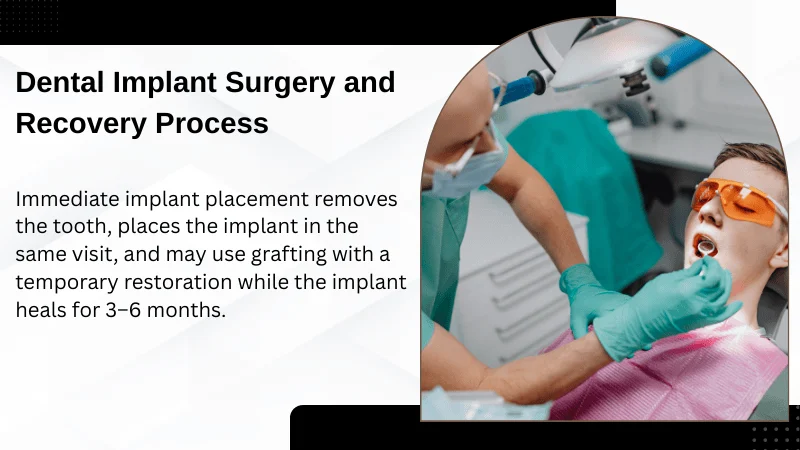
The immediate implant procedure involves multiple steps from extraction through temporary tooth replacement.
Bone grafting or a sinus lift may be necessary to ensure the implant has enough support, and temporary options protect the site while healing occurs.
Steps Involved in Immediate Placement
Your dentist removes the damaged tooth carefully to preserve as much bone as possible. They clean the socket thoroughly to remove any infected tissue or debris.
The titanium implant post goes directly into the empty socket during the same appointment. Your dentist positions it at the correct angle and depth to match where your natural tooth root was.
They secure it firmly into the surrounding bone.
The implant must have good primary stability to stay in place during healing. Your dentist checks this stability before moving forward.
If the bone isn’t strong enough to hold the implant securely, they may recommend waiting for the extraction site to heal fully before placing the implant.
The entire procedure typically takes one to two hours. You receive local anesthesia to numb the area, though sedation options are available if you feel anxious.
Role of Bone Grafting and Sinus Lift
A bone graft fills any gaps between the implant and the socket walls. This material can come from your own body, a donor, or synthetic sources. The graft encourages new bone growth around the implant.
Your dentist may add bone grafting material even during immediate placement to strengthen the site. This is common when the socket is larger than the implant or if bone loss occurred before extraction.
A sinus lift becomes necessary for upper back teeth when there isn’t enough bone height between your jaw and sinus cavity.
Your dentist lifts the sinus membrane and adds bone graft material underneath. This procedure adds several months to your healing time but creates the foundation needed for a successful implant.
Placing Temporary Crowns or Removable Options
Your dentist attaches an abutment to the implant post, which connects to the temporary restoration. A temporary crown can go on immediately if the implant has strong stability and you won’t put too much pressure on it.
The temporary crown looks like a natural tooth but sits slightly lower to avoid contact when you bite down. You need to eat soft foods and chew on the other side of your mouth during healing.
A removable partial denture offers another option if immediate crown placement isn’t possible. This appliance fills the gap and comes out for cleaning. It doesn’t put any pressure on the healing implant site.
These temporary solutions protect the implant and maintain your appearance while the titanium post integrates with your jawbone.
The integration process takes three to six months before your dentist can place the permanent crown.
Don’t wait weeks to find out your options. Stop by any of our locations for a thorough assessment and same-day answers about your candidacy for an implant.
Long-Term Outcomes and Alternatives
Both immediate and delayed implant placements show excellent long-term results, but timing affects your bone health and treatment options.
Understanding how delays impact your jaw and what alternatives exist helps you make the best choice for lasting tooth replacement success.

How Delays Impact Bone Health
When you lose a tooth, your jawbone begins to shrink because it no longer receives stimulation from the tooth root. This bone loss can start within weeks and continues over time.
The longer you wait after extraction, the more bone you may lose. This makes future implant placement more difficult. Your jaw can lose up to 25% of its width in the first year alone.
Key effects of delayed treatment include:
- Reduced bone volume requiring grafting procedures
- Neighboring teeth shifting into the empty space
- Changes to your bite alignment
- More complex and expensive treatment later
However, you can still get dental implants years after extraction. Bone grafting procedures can rebuild lost bone to support an implant.
While this adds time and cost to treatment, it makes implants possible even after significant delays.
Alternatives If Immediate Implants Aren’t Suitable
Not everyone qualifies for immediate implant placement after tooth extraction. Your dentist may recommend delayed placement if you have active infection, insufficient bone, or certain health conditions.
Early placement involves waiting 4-8 weeks after extraction for initial healing. This gives soft tissue time to recover while minimizing bone loss.
It offers a middle ground between immediate and fully delayed approaches.
Delayed placement means waiting 3-6 months for complete bone healing. This is the safest option when extraction sites need extensive healing or when bone grafting is required first.
Traditional bridges and partial dentures serve as temporary solutions. Bridges attach to neighboring teeth but require grinding down healthy tooth structure.
Removable partial dentures replace missing teeth without surgery but don’t prevent bone loss like implants do.
Maintaining Success After Implant Placement
Long-term survival rates for dental implants reach 98.4% for immediate placement and 98.6% for delayed placement. Proper care ensures your implant lasts decades.
Daily brushing and flossing around your implant prevents infection. Use a soft-bristled brush and non-abrasive toothpaste.
Special floss threaders or water flossers help clean hard-to-reach areas around the implant crown.
Visit your dentist every 6 months for professional cleanings and checkups. Your dentist will examine the implant, check for bone loss, and remove any buildup that could cause problems.
Habits to avoid:
- Smoking (reduces blood flow and healing)
- Chewing ice or hard candy
- Using teeth as tools
- Neglecting regular dental visits
Report any pain, swelling, or looseness to your dentist immediately. Early intervention prevents minor issues from becoming major problems with your tooth replacement.
Get expert answers close to home. Visit us in Miami, Pembroke Pines, or Delray Beach to learn if you’re a candidate for an immediate dental implant after extraction
Frequently Asked Questions
Patients often wonder about timing, costs, and what happens if they delay treatment.
The waiting period can range from immediate placement to several months, and even years-old extraction sites can receive implants with proper bone evaluation.
What is the recommended waiting period for a dental implant after having a tooth extracted?
The waiting period for dental implants after tooth extraction depends on your specific situation. Some people can get an implant placed on the same day as their extraction.
Others need to wait 3 to 6 months for the bone to heal completely. Your dentist will look at your bone health, whether you have any infection, and how complex your extraction was.
If your extraction site is healthy and you have enough bone support, you might be a candidate for immediate placement.
However, if you had an infection or significant bone loss, waiting allows your jaw to heal properly before placing the implant.
Is it possible to place a dental implant several years after a tooth has been removed?
Yes, you can get a dental implant years after losing a tooth. The main concern is how much bone loss has occurred during that time.
When a tooth is missing for a long time, your jawbone starts to shrink because it’s not being stimulated by tooth roots.
This process is called bone resorption. You might need a bone graft to rebuild the area before an implant can be placed.
Your dentist will take X-rays or CT scans to check your bone density and volume. If you have enough healthy bone remaining, the implant procedure can move forward without extra steps.
What could happen if I decide not to replace an extracted tooth with an implant?
Not replacing a missing tooth leads to several problems over time. Your surrounding teeth will start to shift into the empty space, causing bite problems and making your other teeth harder to clean.
The bone in your jaw will gradually shrink where the tooth used to be. This bone loss can change the shape of your face and make it harder to place an implant later if you change your mind.
Your remaining teeth may also experience more stress and wear because they’re compensating for the missing tooth. This can lead to more dental problems down the road.
How long after tooth extraction can I wait before it’s too late for a dental implant?
It’s never technically too late to get a dental implant, but waiting makes the process more complicated. The first few months after extraction are ideal because your bone is still at its full volume.
After about 6 to 12 months, you’ll start experiencing noticeable bone loss. This doesn’t mean you can’t get an implant, but you’ll likely need additional procedures like bone grafting first.
Even if you’ve been missing a tooth for many years, dental implants can still be placed with proper planning. The key is addressing any bone loss that has occurred during the waiting period.
Are there any risks associated with immediate dental implants post-extraction?
Immediate implants have a slightly higher risk compared to delayed placement. Studies show that immediate implants have a success rate of about 94-96%, while delayed implants succeed 97-99% of the time.
The main risks include infection, implant instability, and improper healing. If your extraction site has any infection or inflammation, immediate placement isn’t recommended.
You also need adequate bone support around the extraction socket for the implant to stay stable. Your dentist will carefully evaluate whether you’re a good candidate to minimize these risks.
How does the cost of a tooth extraction and dental implant procedure typically compare?
A tooth extraction typically costs between $75 and $450, depending on whether it’s a simple or surgical extraction. Dental implants are significantly more expensive, ranging from $3,000 to $6,000 per tooth.
This implant cost includes the surgical placement, the abutment (connector piece), and the crown. If you need additional procedures like bone grafting or sinus lifts, the price goes up.
Immediate implants might save you money on multiple surgical appointments since everything happens in fewer visits.
However, the total cost depends on your specific case and whether your insurance covers any portion of the treatment.